
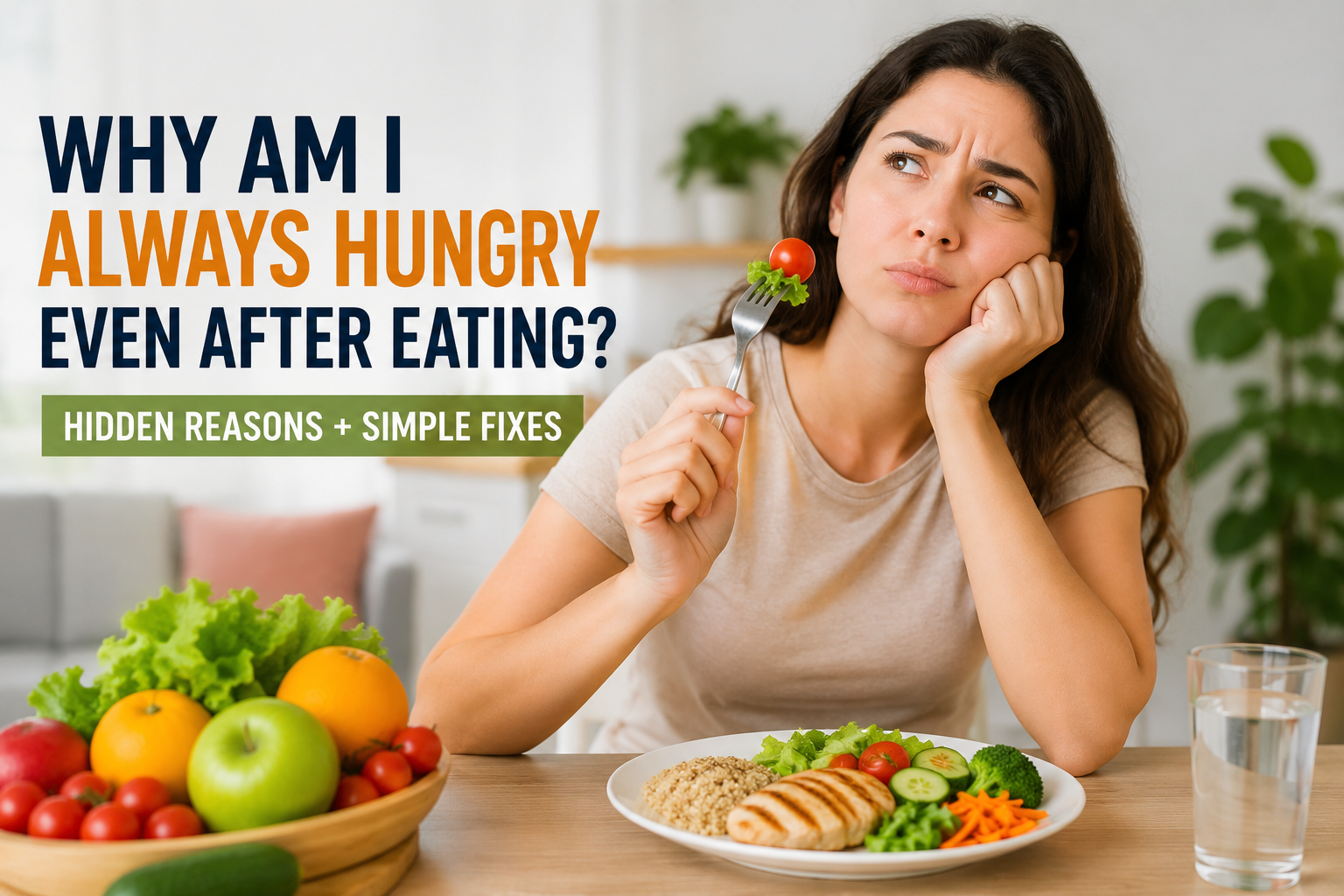
Why Am I Always Hungry Even After Eating?
Have you ever finished a meal only to feel hungry again an hour later? If you’re asking yourself, “Why am I always hungry even after eating?”, you’re not alone. Many beginners experience constant hunger even when they believe they’re eating enough.
Feeling hungry all the time doesn’t always mean your body needs more food. Sometimes it happens because of poor meal balance, dehydration, stress, lack of sleep, hormonal changes, or unhealthy eating habits. Understanding the real reason behind your hunger can help you make smarter food choices and support healthy weight management.
If you’re also struggling with weight gain despite eating healthy foods, you may find it helpful to read our guide on Why Am I Gaining Weight Even Though I Eat Healthy?, which explains several hidden habits that may be affecting your progress:
In this beginner-friendly guide, you’ll learn the most common reasons why you’re always hungry after eating and practical ways to stay satisfied for longer.
Is It Normal to Feel Hungry After Eating?
Yes, occasionally feeling hungry after eating is completely normal and doesn’t always mean something is wrong. Your hunger level can change depending on your activity, the type of food you eat, and your body’s energy needs.
You may feel hungry soon after a meal if you:
- Ate a meal that was too small
- Exercised or were physically active
- Skipped a previous meal
- Ate foods high in sugar or refined carbohydrates but low in protein and fiber
However, if you feel hungry after nearly every meal—even when you’re eating enough food—it may be a sign that your meals aren’t well-balanced or that other factors, such as dehydration, poor sleep, stress, or hormonal changes, are affecting your appetite. Identifying the underlying cause is the first step toward feeling satisfied for longer and maintaining a healthy diet.
10 Hidden Reasons Why You Are Always Hungry Even After Eating
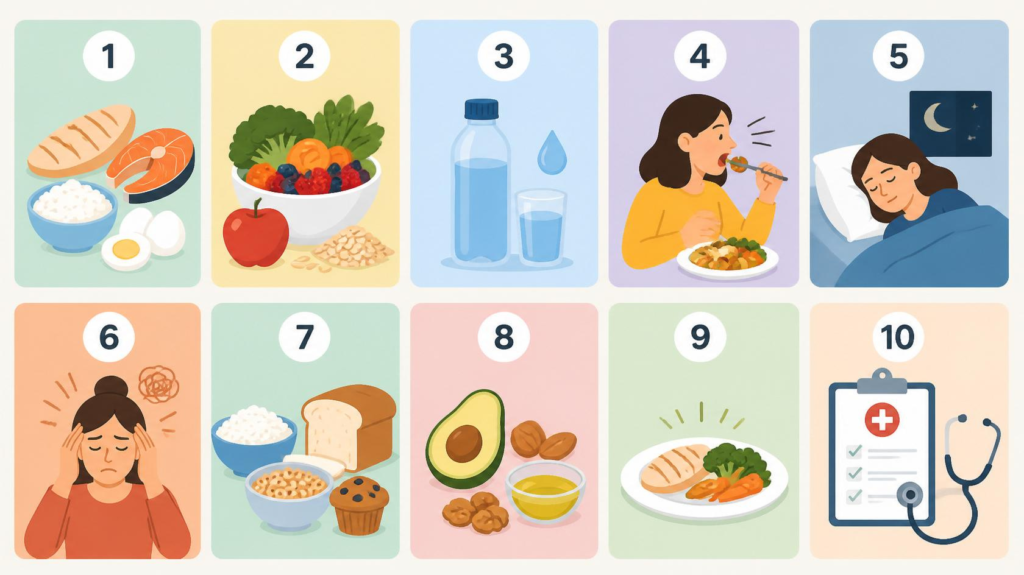
1. You’re Not Eating Enough Protein
Protein is one of the most filling nutrients. It slows digestion and helps your body release hormones that keep you satisfied.
If your meals mostly include bread, rice, or sugary foods without enough protein, you may feel hungry soon after eating.
Good protein sources include:
- Eggs
- Chicken breast
- Fish
- Greek yogurt
- Cottage cheese
- Lentils
- Beans
- Tofu
Tip: Choose plain, unsweetened Greek yogurt instead of flavored yogurt whenever possible. Plain yogurt is higher in protein and contains no added sugar, helping you stay full for longer while supporting better blood sugar control.
For a protein-rich meal idea, try this Healthy Chicken Salad Recipe for Weight Loss, which is easy to prepare and helps keep you full longer:
2. You’re Eating Too Many Refined Carbohydrates
Foods made with white flour and added sugar digest quickly. They cause a rapid rise in blood sugar followed by a sudden drop, making you hungry again.
Examples include:
- White bread
- Cakes
- Cookies
- Sugary breakfast cereals
- Soft drinks
- Candy
Instead, choose complex carbohydrates like:
- Oats
- Brown rice
- Sweet potatoes
- Whole-grain bread
- Quinoa
These foods digest more slowly and provide longer-lasting energy.
3. Your Meals Lack Fiber
Fiber slows digestion and helps your stomach stay full.
Low-fiber meals often leave people searching for snacks shortly after eating.
Increase your fiber intake by eating:
- Apples
- Berries
- Pears
- Broccoli
- Carrots
- Beans
- Chickpeas
- Whole grains
- Chia seeds
Aim for vegetables at both lunch and dinner whenever possible.
4. You’re Not Drinking Enough Water
Many people mistake thirst for hunger.
Even mild dehydration can make you think your body needs food when it actually needs fluids.
Try this simple habit:
Drink one glass of water about 20 minutes before meals.
Stay hydrated throughout the day and pay attention to whether your hunger disappears after drinking water.
5. You’re Eating Too Fast
Your brain needs around 20 minutes to recognize that you’re full.
If you finish your meal in just a few minutes, your body may not have enough time to send fullness signals.
Eat more slowly by:
- Taking smaller bites
- Chew each bite well
- Putting your fork down between bites
- Avoid eating while watching TV
Mindful eating often helps reduce unnecessary hunger.
6. You’re Not Sleeping Enough
Poor sleep affects the hormones that control hunger.
When you don’t get enough sleep:
- Hunger hormone (ghrelin) increases.
- The fullness hormone (leptin) decreases.
As a result, you may crave larger portions and high-calorie foods.
Most adults should aim for 7–9 hours of quality sleep each night.
Sleep is just as important as diet and exercise for healthy weight management.
7. Stress Is Making You Feel Hungrier
Stress causes your body to release cortisol, a hormone that can increase appetite.
Many people also eat for emotional comfort rather than physical hunger.
Ask yourself:
- Am I truly hungry?
- Or am I stressed, bored, anxious, or tired?
Managing stress through walking, deep breathing, journaling, or talking with a friend may help reduce emotional eating.
If you notice your weight is not changing despite healthy habits, our guide on Why Am I Not Losing Weight Even After Walking Daily? explains several lifestyle factors that may be holding you back:
8. You’re Skipping Healthy Fats
Many beginners avoid fat completely because they think it causes weight gain.
In reality, healthy fats help slow digestion and keep you feeling satisfied.
Healthy fats include:
- Avocados
- Nuts
- Seeds
- Olive oil
- Peanut butter (in moderation)
Adding small portions of healthy fats to meals can reduce hunger throughout the day.
9. Your Meal Portions Are Too Small
Eating extremely small meals may leave your body needing more energy.
A balanced meal should include:
- Lean protein
- Fiber-rich vegetables
- Whole grains
- Healthy fats
Instead of eating less, focus on eating balanced meals that provide lasting fullness.
For beginners looking for balanced meal ideas, our Simple 7-Day Diet Plan for Weight Loss includes easy meals designed to support healthy eating without feeling deprived:
10. Certain Medical Conditions or Medications May Increase Hunger
Sometimes, frequent hunger has a medical cause.
Possible reasons include:
- Diabetes
- Hyperthyroidism
- Low blood sugar
- Certain medications
- Hormonal changes
If you’re constantly hungry despite eating balanced meals and the problem continues for several weeks, speak with a healthcare professional for proper evaluation.
How to Stay Full Longer Naturally
Fortunately, you can reduce constant hunger by making a few simple lifestyle changes.
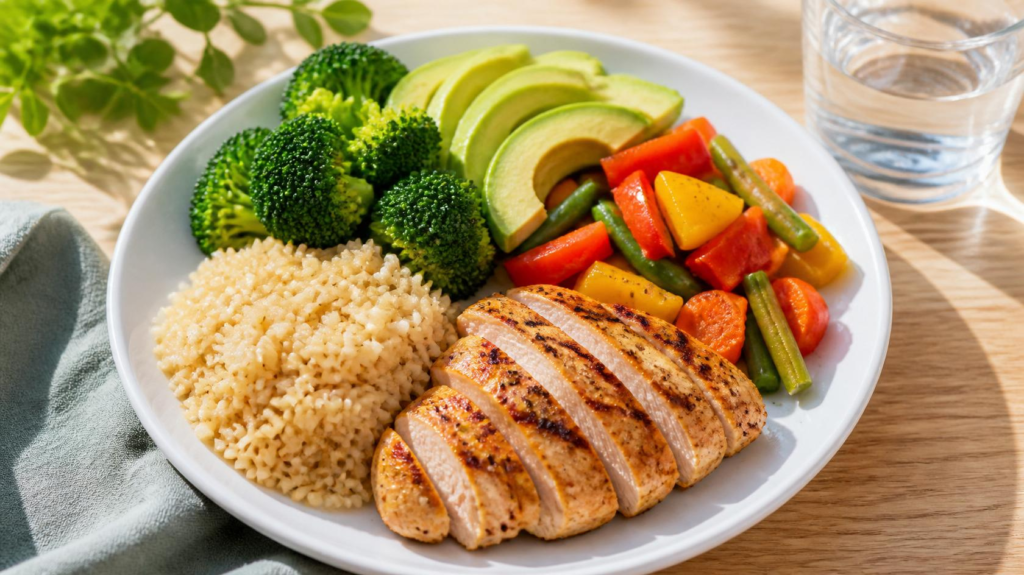
1. Eat Protein With Every Meal
Protein is one of the most filling nutrients because it slows digestion and helps regulate the hormones that control hunger. Including a source of protein in every meal can reduce cravings and keep you satisfied for longer.
Good sources of protein include:
- Eggs
- Chicken breast
- Fish
- Greek yogurt
- Tofu
- Beans
- Lentils
2. Fill Half Your Plate With Vegetables
Vegetables are naturally rich in fiber, vitamins, and minerals while being low in calories. Fiber adds bulk to your meals, helping you feel full without overeating. Aim to include a variety of colorful vegetables at lunch and dinner.
3. Choose Whole Foods Instead of Processed Foods
Whole foods such as fruits, vegetables, whole grains, lean proteins, and legumes digest more slowly than highly processed foods. This helps keep your blood sugar stable and reduces frequent hunger throughout the day.
4. Drink Enough Water
Sometimes your body mistakes thirst for hunger. Drinking enough water throughout the day supports digestion and may help reduce unnecessary snacking. Try having a glass of water 20–30 minutes before meals.
5. Never Skip Breakfast
A nutritious breakfast provides your body with energy after an overnight fast and may help reduce cravings later in the day. A balanced breakfast containing protein, fiber, and healthy fats can keep you satisfied until lunchtime.
A simple breakfast idea: Eggs with whole-grain toast and fresh fruit.
Best Foods That Help You Stay Full Longer
If you’re constantly asking, “Why am I always hungry even after eating?”, choosing the right foods can make a big difference. Foods rich in protein, fiber, and healthy fats digest more slowly and help control your appetite.
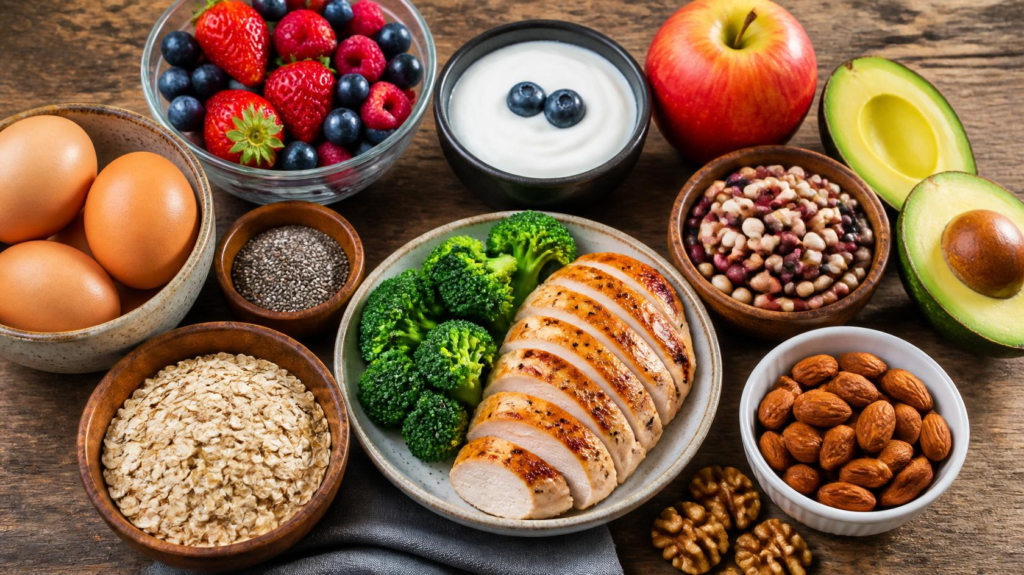
Protein-Rich Foods
Protein is one of the most satisfying nutrients because it slows digestion and helps reduce hunger hormones.
Some great options include:
- Eggs
- Skinless chicken breast
- Fish
- Greek yogurt
- Cottage cheese
- Tofu
- Lentils
- Chickpeas
Including protein in every meal can help prevent unnecessary snacking between meals.
High-Fiber Foods
Fiber absorbs water and adds bulk to your meals, helping you stay full for longer.
Try adding these foods to your diet:
- Apples
- Pears
- Berries
- Broccoli
- Spinach
- Carrots
- Oats
- Brown rice
- Chia seeds
- Flaxseeds
- Beans
Eating more fruits and vegetables also provides important vitamins and minerals your body needs.
Healthy Fats
Healthy fats slow digestion and improve meal satisfaction.
Choose healthy sources like:
- Avocados
- Almonds
- Walnuts
- Pistachios
- Olive oil
- Pumpkin seeds
- Sunflower seeds
Remember, healthy fats are nutritious, but portion control is still important because they are calorie-dense.
Common Mistakes That Make You Feel Hungry
Many beginners unknowingly develop habits that increase hunger throughout the day.
Skipping Meals
Skipping breakfast or lunch often leads to excessive hunger later, making overeating more likely.
Instead, eat balanced meals at regular times.
Depending on Sugary Snacks
Cookies, candy, sweet drinks, and pastries may satisfy cravings temporarily, but they usually leave you hungry again shortly afterward.
Choose healthier snacks like fruit with nuts or Greek yogurt instead.
Not Planning Meals
Without a meal plan, many people grab whatever food is available, which often means processed snacks.
Planning healthy meals ahead of time can reduce impulsive eating.
If you’re new to healthy eating, our Weight Loss Guide for Women at Home provides beginner-friendly strategies for building sustainable habits:
Eating While Distracted
Watching TV, scrolling social media, or working during meals makes it harder to notice fullness signals.
Try eating without distractions and focus on enjoying your food.
When Should You See a Doctor?
Occasional hunger is completely normal.
However, speak with your healthcare provider if you experience:
- Constant hunger every day despite eating balanced meals
- Unexplained weight loss
- Extreme thirst
- Frequent urination
- Constant fatigue
- Blurred vision
- Increased appetite after starting a new medication
These symptoms may indicate an underlying medical condition that requires professional evaluation.
Can Constant Hunger Affect Weight Loss?
Yes.
If you always feel hungry, you’re more likely to:
- Snack frequently
- Eat larger portions
- Choose high-calorie processed foods
- Consume more calories than your body needs
Over time, this can make weight loss more difficult.
If you’ve noticed that healthy eating isn’t leading to the results you expected, you may also enjoy reading
Why Belly Fat Is Not Reducing Even After Dieting?, where we explain several hidden lifestyle factors that can slow fat loss:
If your biggest challenge is controlling cravings, our article on How to Reduce Hunger During Weight Loss Naturally shares practical tips to manage appetite without feeling deprived:
Simple Daily Tips to Control Hunger
Small daily habits can have a big impact on your appetite.
Here are a few simple strategies:
- Eat protein with every meal.
- Include vegetables on your plate.
- Drink enough water throughout the day.
- Sleep for 7–9 hours each night.
- Manage stress with walking, meditation, or deep breathing.
- Eat slowly and chew your food thoroughly.
- Avoid sugary drinks and highly processed snacks.
- Choose whole foods whenever possible.
If you often feel tired as well as hungry, your body may simply need better nutrition. These Energy-Boosting Foods can help support energy levels while keeping your meals balanced:
Frequently Asked Questions (FAQs)
Why am I always hungry even after eating healthy food?
Healthy foods are important, but your meals also need enough protein, fiber, healthy fats, and calories. If one of these is missing, you may still feel hungry.
Why do I get hungry only one hour after eating?
This often happens if your meal was high in refined carbohydrates or sugar but low in protein and fiber.
Can dehydration make me feel hungry?
Yes. Mild dehydration is often mistaken for hunger. Try drinking a glass of water before reaching for a snack.
Is it normal to feel hungry while trying to lose weight?
A small amount of hunger can be normal when reducing calories, but you shouldn’t feel constantly hungry. Eating balanced meals with enough protein and fiber can help control appetite.
Does lack of sleep increase hunger?
Yes. Poor sleep can increase hunger hormones and reduce the hormones that tell your brain you’re full.
What foods keep you full the longest?
Foods high in protein and fiber usually provide the longest-lasting fullness. Examples include eggs, chicken, fish, beans, lentils, oats, vegetables, and Greek yogurt.

Conclusion: Why Am I Always Hungry Even After Eating?
If you’ve been wondering, “Why am I always hungry even after eating?”, the answer is often related to your daily habits rather than a lack of willpower. Meals low in protein or fiber, poor sleep, dehydration, stress, eating too quickly, or relying on processed foods can all leave you feeling hungry shortly after eating.
The good news is that small, consistent changes can make a big difference. Focus on eating balanced meals with plenty of protein, fiber, healthy fats, and whole foods. Stay hydrated, get enough sleep, and practice mindful eating. Over time, these habits can help you feel satisfied for longer and make healthy weight management much easier.
Call to Action
Have you ever struggled with feeling hungry even after eating? Share your experience or favorite appetite-control tips in the comments below—we’d love to hear from you!
If you found this guide helpful, explore more beginner-friendly nutrition and weight loss articles on FitFusionBlogs to build healthier habits and reach your wellness goals naturally.