
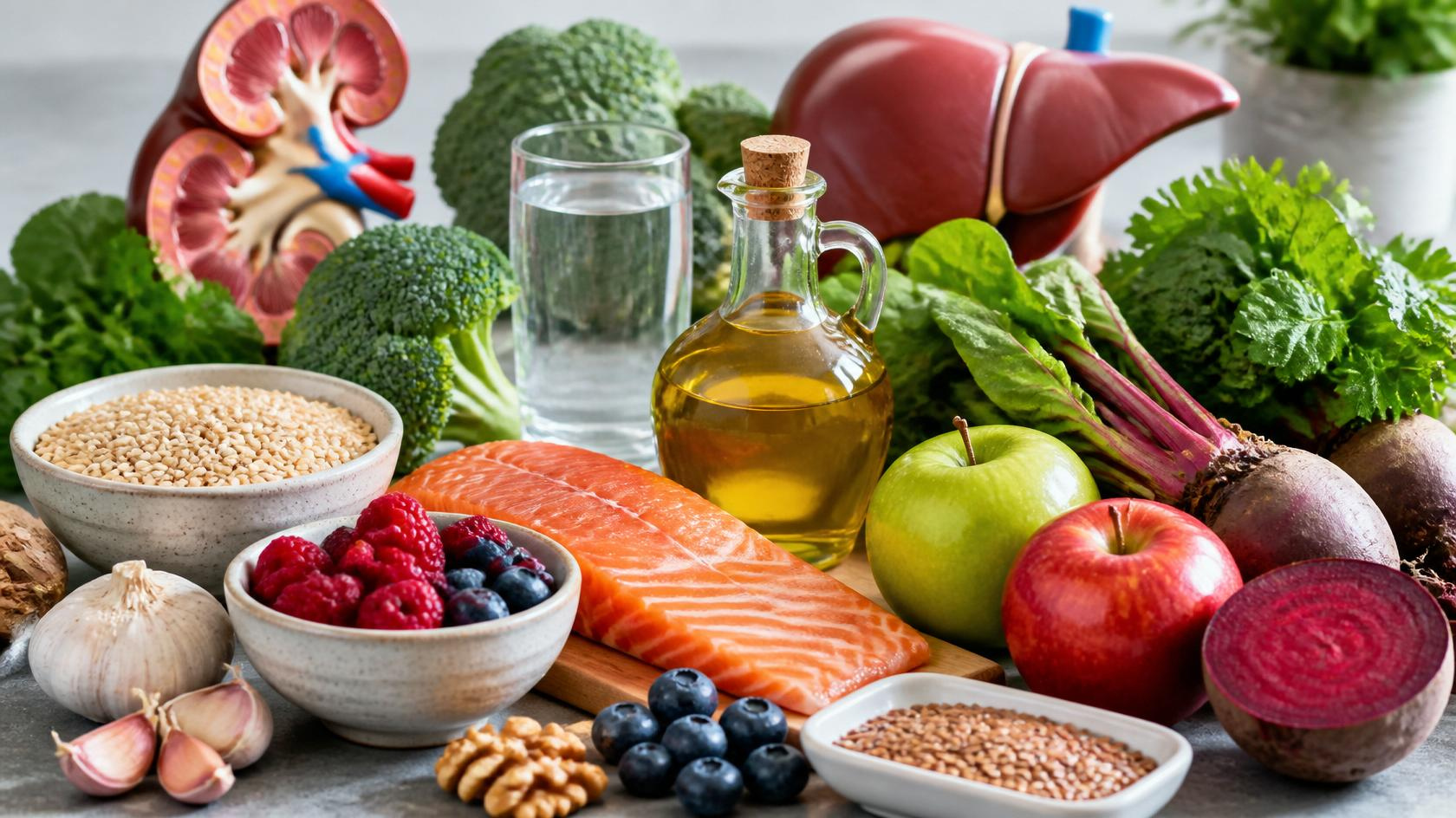
Foods that support kidney and liver health can be an important part of a balanced, nutrient-rich diet. Your kidneys and liver work quietly every day to keep your body functioning properly. The kidneys help filter waste from the blood, maintain fluid and electrolyte balance, and support healthy blood pressure. Your liver processes nutrients, helps metabolize medications and other substances, and performs hundreds of essential functions that support overall health.
Because these organs are so important, it is natural to wonder whether certain foods can help keep them healthy. The good news is that a balanced, nutrient-rich diet can support kidney and liver health as part of a healthy lifestyle. However, no single food can “repair” damaged kidneys or cure liver disease. If you have diagnosed kidney or liver disease, your nutritional needs may be different and should be discussed with your healthcare professional.
In this guide, we will explore 10 best foods that support kidney and liver health naturally, how to add them to your meals, and what to consider if you already have a kidney or liver condition.
You will also learn why some foods that are generally healthy may not be suitable for everyone with advanced kidney disease—and why a personalized diet is sometimes more important than simply following a list of “healthy foods.”
Why Kidney and Liver Health Matters
Your kidneys and liver have different jobs, but both are essential for maintaining your overall health.
The kidneys filter waste and extra fluid from your blood and help regulate electrolytes such as sodium and potassium. They also play an important role in blood pressure regulation and red blood cell production.
The liver is involved in digestion, nutrient processing, metabolism, and the breakdown of substances that the body needs to remove. It also produces proteins that are important for several bodily functions.
Your everyday habits—including what you eat, how active you are, how much alcohol you consume, and whether you smoke—can influence your long-term health.
If you want to learn more about protecting your liver, read our detailed guide on fatty liver health.
For kidney health, it is also important to understand warning signs. If you notice persistent swelling, changes in urination, blood in your urine, unexplained fatigue, or other concerning symptoms, speak with a healthcare professional. You can learn more in our guide to early signs of kidney problems.
10 Best Foods That Support Kidney and Liver Health Naturally
The following foods can be part of a balanced eating pattern that supports overall health. Their benefits come from nutrients such as fiber, antioxidants, healthy fats, vitamins, and minerals—not from a magical “detox” or cleansing effect.
1. Berries: Foods That Support Kidney and Liver Health
Berries are among the best fruits to include in a nutrient-rich diet. Strawberries, blueberries, raspberries, and cranberries provide fiber and naturally occurring antioxidants.
Antioxidants help protect cells from oxidative stress, while fiber supports digestive health and contributes to a balanced diet.
Berries can be a convenient choice for breakfast or snacks.
Easy ways to eat more berries:
- Add blueberries to oatmeal.
- Mix strawberries into plain yogurt.
- Add raspberries to a smoothie.
- Eat a small bowl of fresh berries as a snack.
- Use frozen berries when fresh fruit is unavailable.
Cranberries are also commonly discussed in relation to urinary tract health, although they should not be considered a treatment for urinary tract infections or kidney disease.
A simple idea:
Try combining plain yogurt, berries, and a small amount of oats for a filling breakfast.
2. Apples: Foods That Support Kidney and Liver Health
Apples are an easy, affordable source of fiber and can fit into many healthy eating patterns.
Their fiber content may support digestive health, while their naturally sweet flavor makes them a useful alternative to highly processed sugary snacks.
You can enjoy an apple whole or combine it with a source of protein or healthy fat for a more satisfying snack.
Try these combinations:
- Apple slices with unsweetened peanut butter.
- Chopped apple with plain yogurt.
- Apple and cinnamon oatmeal.
- Sliced apple with a handful of unsalted nuts.
If you are working on your overall diet and weight management, you may also find our guide to best foods for natural and healthy weight loss helpful.
Remember, supporting kidney and liver health is not about eating one “superfood.” It is about building a balanced dietary pattern that you can maintain consistently.
3. Leafy Green Vegetables: Foods That Support Kidney and Liver Health
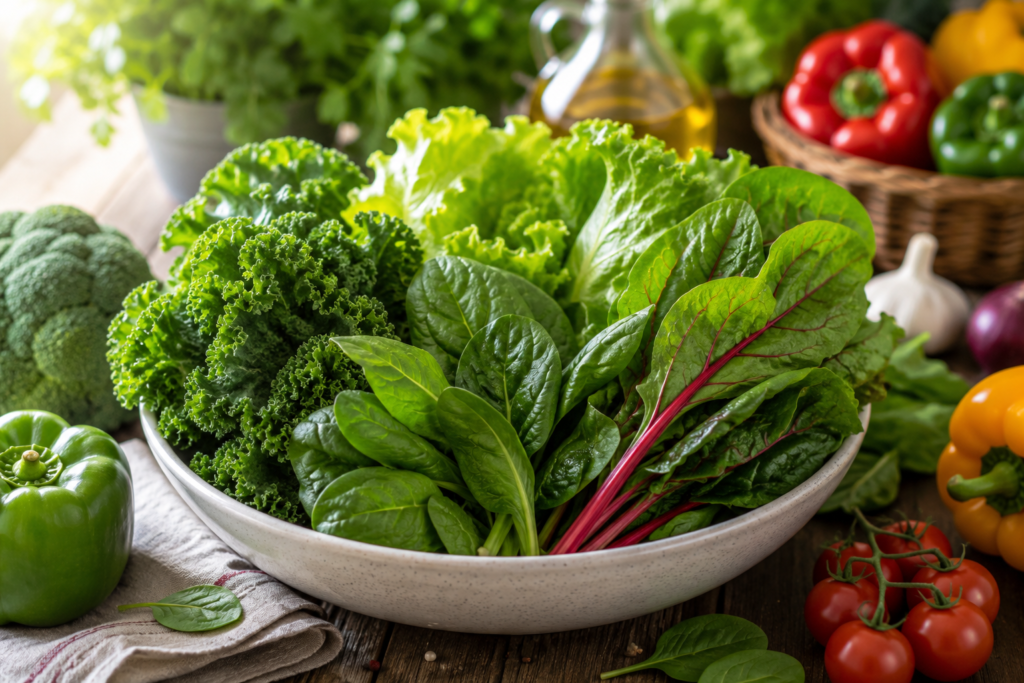
Leafy greens such as kale, lettuce, and other green vegetables provide fiber and a variety of vitamins and plant compounds.
For many healthy adults, adding a variety of vegetables to meals is a simple way to improve overall diet quality.
You can include leafy greens in:
- Salads
- Vegetable soups
- Stir-fries
- Wraps
- Omelets
- Homemade smoothies
However, there is an important point to remember.
People with certain types of kidney disease may need to monitor their potassium intake. Some leafy greens and other vegetables can contain significant amounts of potassium, depending on the food and serving size.
Therefore, if you have chronic kidney disease or have been advised to follow a low-potassium diet, do not automatically assume that every “healthy” vegetable is appropriate for you. Ask your doctor or registered dietitian about suitable choices and portion sizes.
This is one reason why a kidney-friendly diet should be personalized rather than based on a generic food list.
4. Fatty Fish
Fatty fish such as salmon, sardines, and mackerel provide protein and omega-3 fatty acids.
Omega-3 fats are associated with several aspects of cardiovascular health and may help support a balanced dietary pattern when consumed as part of an overall healthy diet.
Since cardiovascular health and kidney health are closely connected, including nutritious sources of healthy fats can be a valuable part of a balanced lifestyle.
Simple ways to enjoy fatty fish:
- Baked salmon with vegetables.
- Sardines on whole-grain toast.
- Grilled fish with a fresh salad.
- Homemade fish bowls with brown rice and vegetables.
Choose cooking methods such as baking, grilling, or steaming rather than deep-frying.
If you have kidney disease, however, your protein and phosphorus requirements may vary. Always follow the advice provided by your healthcare team.
5. Garlic
Garlic is a flavorful ingredient that can help you make healthy meals more enjoyable without relying heavily on salt.
This is particularly useful because excessive sodium intake can be a concern for blood pressure and kidney health.
Instead of adding large amounts of salt to your meals, experiment with:
- Fresh garlic
- Lemon
- Black pepper
- Fresh herbs
- Ginger
- Spices
Garlic can be added to vegetables, soups, fish, chicken, and homemade sauces.
While garlic contains beneficial plant compounds, it should not be viewed as a treatment for kidney or liver disease.
The bigger benefit may come from using it as part of a flavorful, minimally processed eating pattern that helps you reduce your reliance on heavily salted and ultra-processed foods.
6. Olive Oil
Extra virgin olive oil is a source of monounsaturated fat and is widely used in Mediterranean-style eating patterns.
Replacing some saturated fats with unsaturated fats can be a practical way to improve the overall quality of your diet.
You can use olive oil to:
- Dress salads.
- Roast vegetables.
- Cook meals at moderate temperatures.
- Make homemade marinades.
- Add flavor to cooked grains.
The key is portion control. Although olive oil is a nutritious fat, it is still calorie-dense.
A small amount can add flavor without making your meal unnecessarily heavy.
Instead of thinking of olive oil as a “liver detox” food, think of it as one component of an overall eating pattern that emphasizes vegetables, whole foods, healthy fats, and balanced portions.
7. Beets
Beets are rich in natural plant compounds and can add color and variety to your diet.
They can be enjoyed roasted, steamed, grated into salads, or blended into homemade recipes.
Beets also contain nitrates, which are associated with the body’s nitric oxide pathway and may support healthy blood flow.
However, people with certain kidney conditions may need individualized dietary advice. Beets can contain potassium, and their suitability depends on your overall health and dietary requirements.
Try this:
Roast sliced beets with olive oil and herbs, then serve them alongside a protein source and other vegetables.
A balanced plate is generally more useful than focusing on one food as a “kidney cleanser” or “liver detox.”
8. Green Tea
Green tea contains naturally occurring plant compounds called catechins.
For many adults, moderate consumption of unsweetened green tea can fit into a balanced diet.
It may be a better beverage choice than sugary sodas and sweetened drinks because it provides flavor without a large amount of added sugar.
A healthier green tea habit:
- Drink it unsweetened.
- Avoid adding excessive sugar.
- Enjoy it as part of your normal beverage routine.
- Do not rely on green tea as a treatment for any disease.
It is also important to distinguish between drinking green tea and taking concentrated green tea extract supplements. Supplements can have different safety considerations, and some concentrated products have been associated with liver-related concerns.
If you have a medical condition or take medications, ask your healthcare professional before using concentrated herbal supplements.
9. Whole Grains
Whole grains such as oats, brown rice, barley, and whole-grain bread can provide fiber and other nutrients.
Fiber is important for digestive health and can help you build more satisfying meals.
For example, instead of having a meal based entirely on refined carbohydrates, you might combine:
- Oats with berries and yogurt.
- Brown rice with vegetables and fish.
- Barley with a vegetable soup.
- Whole-grain toast with eggs and avocado.
However, people with advanced kidney disease may need to manage nutrients such as phosphorus and potassium, and some whole grains may need to be limited depending on individual dietary requirements.
If you have kidney disease, consult a healthcare professional before making major dietary changes.
10. Water and Hydrating Foods
Although water is not a food, hydration deserves an important place in any discussion about kidney health.
Adequate fluid intake helps your body maintain normal functions, but the amount of fluid a person needs varies.
For many healthy adults, drinking water regularly throughout the day is a simple way to stay hydrated. Foods with high water content, such as certain fruits and vegetables, can also contribute to daily fluid intake.
However, more water is not always better.
People with certain kidney, heart, or liver conditions may be advised to limit fluids. Therefore, if you have a diagnosed medical condition, follow your healthcare professional’s recommendations rather than forcing yourself to drink a fixed number of glasses.
For more ideas, explore our guide to kidney health drinks.
What Foods Should You Limit for Kidney and Liver Health?
Choosing nutritious foods is only one part of the picture. It is equally important to reduce foods that may negatively affect your overall health when consumed frequently or in large amounts.
Depending on your individual health, you may benefit from limiting:
- Highly processed foods
- Excessively salty snacks
- Sugary drinks
- Large amounts of added sugar
- Deep-fried foods
- Highly processed meats
- Excessive alcohol
- Foods high in unhealthy fats
However, the right diet depends on your specific health situation.
For example, a person with chronic kidney disease may need to monitor sodium, potassium, phosphorus, protein, or fluid intake. Someone with fatty liver may receive different dietary advice focused on weight management, metabolic health, and reducing excess sugar and alcohol.
For a detailed overview, read our guide to the worst foods for your kidneys.
Can Supplements Improve Kidney and Liver Health?
Supplements are often marketed as quick solutions for detoxification and organ health. However, supplements should not replace a balanced diet or medical treatment.
Some people may have genuine nutritional deficiencies and may benefit from supplementation under professional guidance.
For example, iron deficiency and anemia are related but are not exactly the same condition. If you suspect you have low iron, it is better to have appropriate testing rather than taking iron supplements without medical advice.
You can learn more about the difference between iron deficiency and anemia.
Vitamin D is another nutrient that may be important for overall health, but supplementation should be based on individual needs and, when appropriate, blood testing.
Read more about vitamin D and health.
If you are specifically considering supplements for kidney health, remember that some supplements may interact with medications or may not be suitable for people with kidney disease. Before starting a supplement, discuss it with your doctor.
You can also read our guide to the best supplements for kidney health in 2026, but always consider your personal medical needs before taking any supplement.
The Best Diet for Kidney and Liver Health Is Balanced
There is no single perfect food that protects everyone from kidney or liver problems.
Instead, think about your diet as a whole.
A balanced eating pattern may include:
- A variety of vegetables.
- Appropriate portions of fruit.
- Healthy sources of protein.
- Whole foods and minimally processed ingredients.
- Healthy fats in moderate portions.
- Adequate hydration when appropriate.
- Limited highly processed foods.
- Less excessive sodium and added sugar.
Your overall lifestyle also matters.
Regular physical activity, maintaining a healthy weight when appropriate, avoiding smoking, limiting alcohol, managing blood pressure, and following medical advice can all contribute to better long-term health.
If you want a practical approach to eating for kidney health, explore our kidney-friendly meal plan.
Important: Healthy Foods Are Not Always Suitable for Everyone
This is one of the most important points to understand.
A food can be healthy for one person but unsuitable for another.
For example, people with chronic kidney disease may need individualized guidance regarding potassium, phosphorus, sodium, protein, and fluid intake.
Similarly, people with liver disease may have specific nutritional needs depending on the underlying condition and its severity.
Therefore, do not use this article as a substitute for medical advice.
If you have kidney disease, liver disease, diabetes, high blood pressure, or another chronic health condition, speak with your healthcare professional or a registered dietitian before making major dietary changes.
The goal is not to find one magical food.
The goal is to create a sustainable eating pattern that supports your individual health.
Frequently Asked Questions About Foods for Kidney and Liver Health
1. What are the best foods for kidney and liver health?
Foods such as berries, apples, vegetables, fatty fish, garlic, olive oil, whole grains, and other minimally processed foods can be part of a balanced diet that supports overall health. However, the best choices depend on your individual health and whether you have diagnosed kidney or liver disease.
2. Can food repair damaged kidneys?
No single food can repair damaged kidneys. A healthy diet may support overall health and help manage certain risk factors, but kidney disease requires appropriate medical evaluation and treatment.
3. Can foods repair a fatty liver?
Dietary changes and lifestyle improvements can play an important role in managing fatty liver for many people. However, the appropriate approach depends on the cause and severity of the condition. If you have fatty liver disease, discuss your diet and treatment plan with your healthcare professional.
4. Is drinking more water good for your kidneys?
Adequate hydration is important for many healthy people, but drinking excessive amounts of water is not automatically better. People with certain kidney, heart, or liver conditions may need fluid restrictions.
5. Are fruits good for kidney health?
Many fruits can be part of a healthy diet. However, people with certain stages of kidney disease may need to monitor potassium intake. Your healthcare professional or dietitian can help you choose suitable fruits and portions.
6. Is green tea good for kidney and liver health?
Unsweetened green tea can fit into a balanced diet for many people. However, drinking green tea is different from taking concentrated green tea extract supplements. If you have a medical condition or take medication, discuss supplements with your healthcare provider.
7. What foods should I avoid for kidney health?
Depending on your condition, you may need to limit foods high in sodium, highly processed foods, and certain nutrients such as potassium or phosphorus. However, dietary restrictions vary significantly between individuals.
8. Can supplements detox the kidneys or liver?
There is no need to rely on “detox” supplements to support healthy kidneys or liver. Some supplements can interact with medications or may be unsafe for people with certain medical conditions. Always seek professional advice before taking new supplements.
9. How can I support kidney and liver health naturally?
Focus on an overall healthy lifestyle: eat a balanced diet, stay physically active, maintain a healthy weight when appropriate, avoid smoking, limit alcohol, manage blood pressure and blood sugar, and follow medical advice if you have an existing health condition.
10. When should I see a doctor about kidney or liver health?
Seek medical advice if you experience persistent swelling, major changes in urination, blood in the urine, yellowing of the skin or eyes, unexplained fatigue, persistent abdominal symptoms, or other concerning changes. Early evaluation can help identify potential problems and determine the appropriate treatment.
Final Thoughts: Support Your Kidney and Liver Health One Meal at a Time
Your kidneys and liver perform essential jobs every day, but they do not need a complicated “detox” plan to stay healthy.
The most effective approach is usually much simpler: build a balanced diet around nutritious foods, stay active, maintain a healthy weight when appropriate, limit highly processed foods, and pay attention to your overall lifestyle.
The 10 best foods that support kidney and liver health naturally—including berries, apples, vegetables, fatty fish, garlic, olive oil, beets, green tea, whole grains, and appropriate hydration—can all have a place in a balanced eating pattern.
But remember that healthy eating is not one-size-fits-all. If you have kidney disease, liver disease, diabetes, high blood pressure, or another chronic condition, your dietary needs may be different.
Start small. Add one more serving of vegetables to your day. Replace a sugary drink with water when appropriate. Choose a piece of fruit instead of a highly processed snack. Try baking fish instead of deep-frying it.
Small choices, repeated consistently, can become powerful habits.
Ready to improve your everyday eating habits? Start by choosing one food from this list today and add it to your next balanced meal. Your long-term health is built from the choices you make consistently—not from one perfect meal.
This article is for general educational purposes only and does not replace professional medical advice, diagnosis, or treatment. If you have kidney or liver disease, consult your healthcare professional or registered dietitian before making significant dietary changes.
Suggested Authoritative Outbound Resource
For reliable information about kidney health and kidney disease, readers can also consult the National Kidney Foundation, a reputable organization providing educational resources on kidney health and disease management.