
Introduction
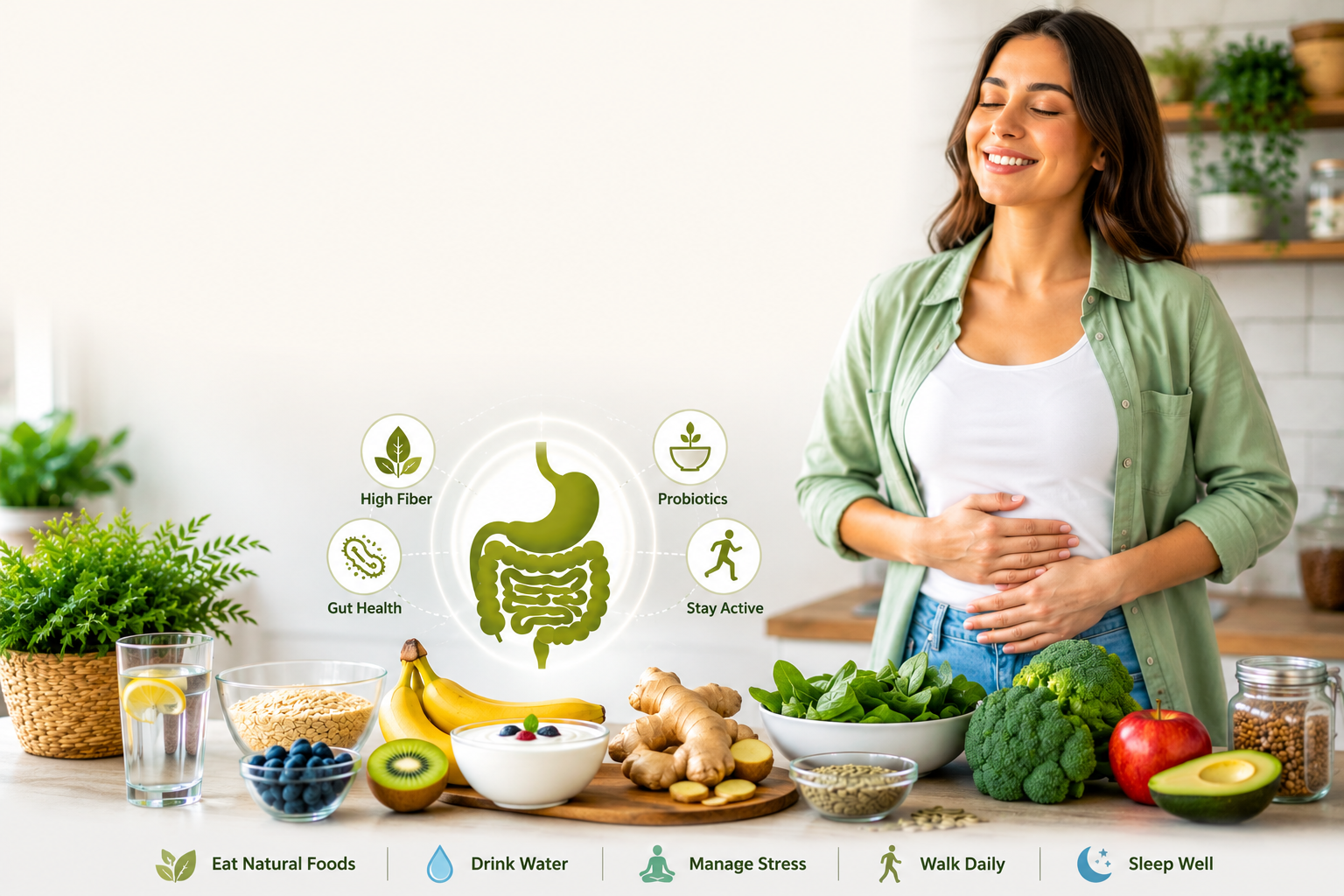
If you often experience bloating, gas, constipation, or discomfort after eating, you may be wondering how to improve digestion naturally. Good digestion is essential because it allows your body to absorb nutrients, maintain energy levels, and support overall health.
Many people focus on what they eat but forget that everyday habits can significantly affect digestion. Eating too quickly, staying inactive, drinking too little water, or lying down immediately after meals may slow digestion and cause digestive discomfort.
In my experience, two simple habits have made a noticeable difference in supporting healthy digestion. First, I believe taking a walk every day is extremely helpful because even light physical activity can help keep the digestive system moving. Second, I try to eat when I still have activities to do around the house rather than right before going to bed. This gives my body more time to digest food before sleeping. While everyone is different, these simple habits have worked well for me and have helped me feel more comfortable after meals.
Here are 12 science-backed tips on how to improve digestion naturally.
1. How to Improve Digestion Naturally by Eating More Fiber
Fiber is one of the most important nutrients for digestive health. It helps food move through the digestive tract and supports regular bowel movements.
Good sources of fiber include:
- Fruits like apples, pears, and berries
- Vegetables such as broccoli and carrots
- Whole grains
- Beans and lentils
- Nuts and seeds
Increasing your fiber intake gradually and drinking plenty of water can help prevent bloating and constipation.
2. Drink Enough Water Throughout the Day
Water plays a vital role in digestion. It helps soften stool, supports nutrient absorption, and keeps your digestive system functioning properly.
Many people do not drink enough water and may experience constipation or sluggish digestion as a result.
Simple ways to stay hydrated include:
- Carry a reusable water bottle
- Drink water between meals
- Eat water-rich fruits and vegetables
- Replace sugary drinks with water when possible
3. Eat Slowly and Chew Your Food Properly
Digestion begins in your mouth. Chewing breaks food into smaller pieces and allows digestive enzymes in saliva to start processing nutrients.
Eating too quickly can lead to:
- Bloating
- Indigestion
- Stomach discomfort
- Overeating
Try putting your fork down between bites and eating without distractions. Slowing down can improve digestion and help you enjoy your meals more.
4. Walk Daily to Improve Digestion Naturally
One of the simplest ways to improve digestion naturally is to stay active. Physical activity helps stimulate the muscles in your digestive tract and encourages food to move efficiently through your system.
Even a short walk after meals may help you feel lighter and more comfortable while supporting healthy digestion.
Benefits of walking include:
- Better digestion
- Reduced bloating
- Improved bowel movements
- Better blood sugar control
- Enhanced overall well-being
Even a 15 to 30-minute walk each day may support digestive health.
5. Avoid Eating Right Before Bed
Many people eat dinner and go to bed shortly afterward. Going to bed immediately after eating may contribute to indigestion and digestive discomfort in some individuals.
Lying down too soon after a meal may also increase the risk of acid reflux and heartburn because your body has less time to begin digesting food properly.
Eating immediately before bed may contribute to:
- Acid reflux
- Heartburn
- Indigestion
- Stomach discomfort
Try finishing your meals at least two to three hours before going to sleep whenever possible.
6. Include Probiotic Foods in Your Diet
Probiotics are beneficial bacteria that support gut health and digestion. They help maintain a healthy balance of microorganisms in your digestive system.
Foods containing probiotics include:
- Yogurt
- Kefir
- Sauerkraut
- Kimchi
- Fermented foods
A healthy gut microbiome supports digestion and may even influence mood and mental well-being. You may also enjoy learning more about the Gut–Brain Connection and how improving gut health can support mood and reduce anxiety.
7. Manage Stress Levels
Stress affects more than your mental health. It can also influence digestion and contribute to symptoms such as:
- Stomach discomfort
- Bloating
- Changes in appetite
- Irregular bowel habits
The digestive system and brain are closely connected. Chronic stress may interfere with normal digestive processes.
Helpful stress management techniques include:
- Deep breathing exercises
- Meditation
- Walking outdoors
- Spending time with loved ones
- Practicing mindfulness
8. Eat Foods That Support Digestive Health
Certain foods naturally support digestive function.
Examples include:
- Bananas
- Oats
- Yogurt
- Leafy greens
- Papaya
- Ginger
You can also explore these best foods to cure common health problems naturally, many of which support digestive wellness and overall health.
9. Add Ginger and Garlic to Your Diet
Ginger has long been used to help reduce nausea and support digestion. Garlic contains compounds that may promote gut health and support beneficial bacteria.
If you are interested in learning more, read about whether it is safe to take ginger, garlic, and turmeric every day
and the differences between black garlic and regular garlic. Adding small amounts of these ingredients to meals may support digestive health as part of a balanced diet.
10. Eat Balanced Meals Instead of Heavy Meals
Very large meals can sometimes leave you feeling overly full and uncomfortable.
Try to:
- Eat moderate portions
- Include protein, fiber, and healthy fats
- Avoid rushing meals
- Listen to your body’s hunger signals
A balanced meal may be easier to digest and can help maintain stable energy levels throughout the day.
11. Prioritize a Healthy Breakfast
Starting your day with a nutritious breakfast may support digestion and energy.
A balanced breakfast can include:
- Eggs
- Oatmeal
- Greek yogurt
- Fruit
- Whole-grain toast
If you need ideas, explore these high-protein breakfast options that can help you stay satisfied and energized.
12. Get Enough Sleep to Improve Digestion Naturally
Sleep and digestion are closely linked. Poor sleep may disrupt digestion and affect your appetite and energy levels.
To support better digestive health:
- Aim for consistent sleep schedules
- Reduce screen time before bed
- Avoid heavy meals late at night
- Create a relaxing bedtime routine
Getting sufficient sleep helps your body perform many important functions, including digestion and recovery.
Common Signs That Your Digestion May Need Improvement
Some signs of poor digestion include:
- Frequent bloating
- Gas
- Constipation
- Heartburn
- Stomach discomfort
- Feeling unusually full after meals
- Fatigue after eating
If these symptoms persist or become severe, consider speaking with a healthcare professional.
Frequently Asked Questions About How to Improve Digestion Naturally
You can improve digestion naturally by eating more fiber, drinking enough water, walking regularly, managing stress, getting enough sleep, and avoiding eating right before bedtime.
Fiber-rich foods such as fruits, vegetables, oats, yogurt, fermented foods, beans, and whole grains can support healthy digestion and improve gut health naturally.
Yes, walking may help stimulate the digestive system, reduce bloating, and promote regular bowel movements. Even a 15 to 30-minute walk each day can support better digestion.
Individual needs vary, but staying well-hydrated throughout the day helps soften stool, supports nutrient absorption, and promotes healthy digestion.
Eating immediately before bedtime may increase the risk of indigestion, heartburn, and acid reflux in some people. Allowing time for digestion before sleeping may improve digestive comfort.
Conclusion: How to Improve Digestion Naturally
Learning how to improve digestion naturally does not require complicated diets or expensive supplements. Small daily habits often make the biggest difference. Eating more fiber, staying hydrated, walking regularly, managing stress, and allowing enough time for digestion before bed can all support better digestive health.
Because the gut and brain are closely connected, improving your digestive health may also support your mood and energy levels. To learn more, read our guide on Best Dopamine Brain Foods to Boost Mood and Energy Naturally.
Start with one or two healthy habits today and stay consistent. Small changes over time can lead to better digestion and overall well-being.
Which habit has helped your digestion the most? Share your experience in the comments below, and explore more health and nutrition guides on FitFusionBlogs for practical wellness tips.