
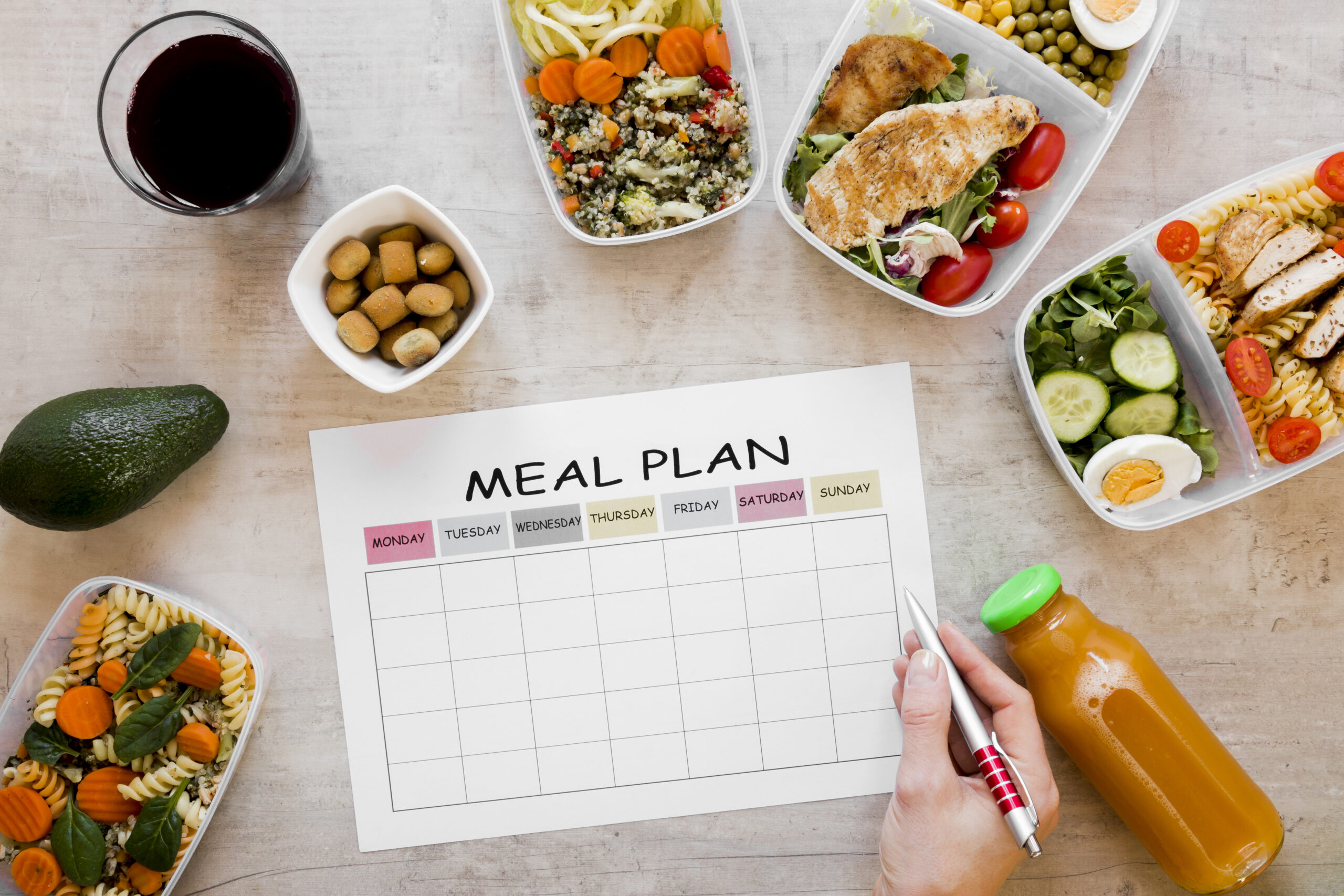
Heart health and general well-being depend on maintaining appropriate cholesterol levels. A low-cholesterol diet plan may seem intimidating if you’re just starting out, but don’t fear! A comprehensive 7-day low-cholesterol meal plan, featuring heart-healthy, simple-to-make, and delectable foods, is provided in this approachable guide for beginners.
In this guide, we’ll walk you through the importance of managing cholesterol, daily meal suggestions, and tips to help you naturally improve your cholesterol numbers. For more details, explore how to lower cholesterol naturally.
What Is a Low-Cholesterol Diet?
To lower LDL (bad cholesterol) levels, a low-cholesterol diet aims to limit consumption of dietary cholesterol, trans fats, and saturated fats. Fruits, vegetables, whole grains, lean meats, and healthy fats are all highlighted.
Why You Should Follow a Low-Cholesterol Diet Plan
High cholesterol levels often lead to serious health issues like heart disease and stroke. Following a low-cholesterol diet plan helps:
- Lower LDL (bad) cholesterol
- Increase HDL (good) cholesterol
- Improve heart health
- Reduce inflammation
- Support weight loss
If you’re unsure about your current cholesterol levels, check out these common signs of high cholesterol.
Who Should Follow a Low Cholesterol Diet?
A low-cholesterol diet is especially beneficial for people who want to improve heart health and prevent future health issues. You may benefit from this diet if you:
Have high LDL (bad cholesterol) levels
Have a family history of heart disease
Are you overweight or trying to lose weight
Have high blood pressure or diabetes
Want to improve overall cardiovascular health
Even if you are healthy, following a low-cholesterol diet can help prevent heart problems in the future.
7-Day Low Cholesterol Diet Plan for Beginners
Here’s a beginner-friendly 7-day meal plan with low-cholesterol recipes to help kickstart your heart-healthy journey.
Day 1: Fresh Start
Breakfast:
- Oatmeal with almond milk, chia seeds, and blueberries
- Green tea
Lunch:
- Lentil and vegetable soup
- Mixed greens salad with olive oil and lemon dressing
Snack:
- A handful of raw almonds
Dinner:
- Grilled salmon
- Quinoa
- Steamed broccoli
Tip: Salmon is rich in omega-3 fatty acids, which help lower cholesterol.
Day 2: Plant-Based Power
Breakfast:
- Whole-grain toast with avocado and tomato
- Black coffee or green tea
Lunch:
- Chickpea salad with cucumber, tomato, and lemon juice
Snack:
- Apple slices with peanut butter
Dinner:
- Stir-fried tofu with bell peppers and brown rice
- Learn more: Discover which foods are high in cholesterol to avoid in your diet.
Day 3: Fiber-Rich Focus
Breakfast:
- High-fiber cereal with unsweetened soy milk and sliced banana
Lunch:
- Quinoa salad with roasted vegetables and tahini dressing
Snack:
- Low-fat Greek yogurt with ground flaxseeds
Dinner:
- Baked eggplant with a side of couscous
- Steamed spinach
Day 4: Lean and Clean
Breakfast:
- Smoothie with kale, banana, oat milk, and chia seeds
Lunch:
- Turkey breast wrap with hummus and leafy greens (whole wheat wrap)
Snack:
- Carrot sticks with guacamole
Dinner:
- Grilled chicken breast
- Sweet potato mash
- Roasted asparagus
Day 5: Colorful Plates
Breakfast:
- Berry smoothie bowl topped with granola and sunflower seeds
Lunch:
- Brown rice bowl with black beans, corn, avocado, and salsa
Snack:
- Unsalted air-popped popcorn
Dinner:
- Baked cod
- Barley
- Steamed green beans
Day 6: Sea Moss Supercharge
Breakfast:
- Whole wheat pancakes topped with mashed berries (no syrup)
Lunch:
- Spinach and lentil stew with whole-grain bread
Snack:
- Orange or kiwi fruit
Dinner:
- Vegetable curry with tofu and brown rice
Health tip: Consider adding sea moss for cholesterol control—it’s a natural way to boost heart health.
Day 7: Meal Prep Magic
Breakfast:
- Chia pudding with oat milk, mango, and walnuts
Lunch:
- Leftover veggie curry or lentil soup
Snack:
- Cucumber slices with hummus
Dinner:
- Grilled portobello mushrooms
- Couscous salad with herbs
- Side of steamed carrots
7-Day Grocery List for Low Cholesterol Diet
Here is a simple grocery list to help you follow the meal plan easily:
Fruits & Vegetables
- Spinach, kale, broccoli
- Apples, bananas, berries
- Tomatoes, carrots, cucumbers
Whole Grains
- Oats
- Brown rice
- Quinoa
- Whole wheat bread
Healthy Fats
- Avocados
- Almonds, walnuts
- Olive oil
- Chia seeds, flaxseeds
Proteins
- Salmon, cod
- Chicken breast
- Tofu
- Lentils, chickpeas, beans
Dairy Alternatives
- Almond milk
- Soy milk
- Low-fat yogurt
Foods to Include in a Low Cholesterol Diet Plan
- Whole grains (oats, brown rice, quinoa)
- Legumes (lentils, beans, chickpeas)
- Vegetables and fruits (especially high-fiber ones like berries, leafy greens, apples)
- Healthy fats (avocados, olive oil, nuts, seeds)
- Lean proteins (fish, tofu, skinless poultry)
Foods to Avoid on a Low Cholesterol Diet
- Red and processed meats
- Full-fat dairy products
- Fried and fast food
- Baked goods made with hydrogenated oils
- Coconut and palm oils
Avoiding these foods high in cholesterol can significantly improve your LDL levels.
Tips to Stick to Your Low Cholesterol Diet Plan
- Meal prep in advance to avoid last-minute unhealthy choices
- Use herbs and spices instead of salt for flavor
- Read labels carefully to avoid hidden fats and sugars
- Stay hydrated and get regular physical activity
- Keep healthy snacks on hand, like fruits, nuts, or low-fat yogurt
Common Mistakes Beginners Make
When starting a low-cholesterol diet, beginners often make simple mistakes that slow down results:
- Relying on “low-fat” packaged foods that contain hidden sugar
- Not eating enough fiber-rich foods like oats and vegetables
- Skipping healthy fats completely (your body still needs them)
- Eating too much fruit juice instead of whole fruits
- Not reading food labels carefully
- Expecting quick results without consistency
Avoiding these mistakes can help you see faster and better improvements in your cholesterol levels.
FAQs
1. Can I eat eggs on a low-cholesterol diet?
Yes, but only in moderation. Recent research indicates that the effects of dietary cholesterol from eggs may vary from person to person. Choose egg whites or restrict entire eggs to a couple per week.
2. How quickly can I lower my cholesterol with diet?
Consistency is essential, although changes can be seen in as little as four to six weeks.
3. Are all fats bad for cholesterol?
No. Unsaturated fats, such as those found in nuts, avocados, and olive oil, can decrease LDL and increase HDL (good cholesterol).
4. Is sea moss good for cholesterol?
Yes, sea moss is rich in fiber and plant compounds that may help lower cholesterol. Learn more about sea moss and cholesterol.
5. Can I eat out while on a low-cholesterol diet?
Indeed. Select baked, steamed, or grilled foods. Steer clear of fried or creamy dishes, and request sauces or dressings on the side.
Conclusion
Starting a low-cholesterol diet plan doesn’t mean sacrificing flavor; rather, it means making healthier, more heart-healthy choices that will protect your heart and feed your body. You’ll be well on your way to improved health and lower cholesterol if you follow the above seven-day eating plan. For additional guidance, you can also explore the American Heart Association’s tips on cholesterol management to support your journey.
Want to go deeper? Discover how to lower cholesterol naturally and the benefits of sea moss for heart health.
Call to Action
Start your journey with this Low Cholesterol Diet Plan today and make heart-healthy food choices a part of your daily routine. Eat clean, stay consistent, and take small steps toward better heart health.
Disclaimer
This article is for informational purposes only and is not intended as a substitute for professional medical advice, diagnosis, or treatment. Always consult your doctor or a qualified healthcare provider before making any major changes to your diet or health routine.
🌐 Explore more heart-healthy tips and diet guides on FitFusionBlogs.com.