
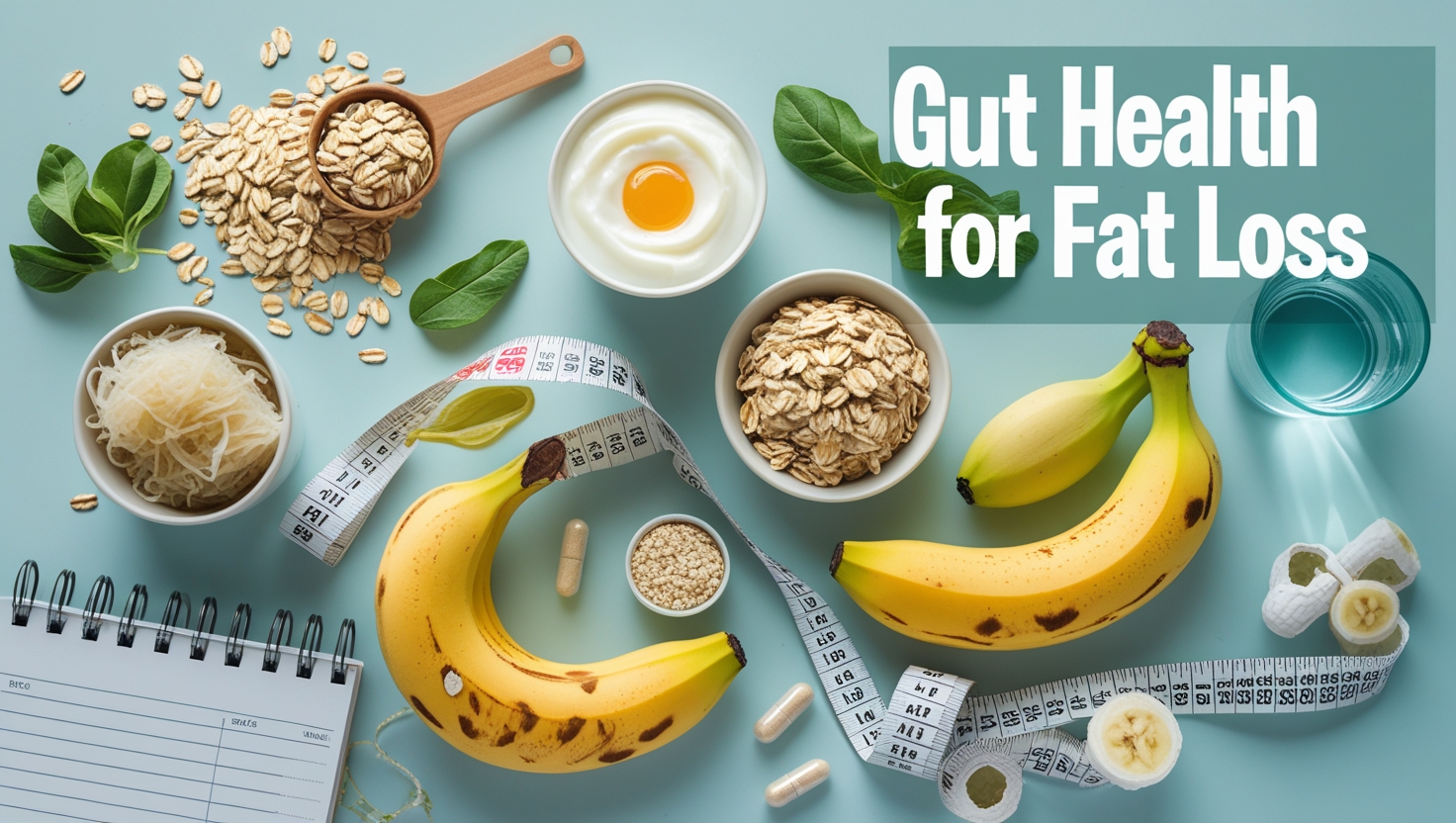
The majority of people rely on exercise and calorie counting to lose stubborn fat. However, what if your digestive system is the real reason behind your lack of progress? Neglecting your gut may be preventing you from losing weight without you even realizing it. This shows how closely gut health and fat loss are connected.
In this post, we will explore the vital link between gut health and weight loss, how an unbalanced gut can slow down your progress, and—most importantly—how to fix it effectively. This post may contain affiliate links. As an Amazon Associate, I earn from qualifying purchases at no extra cost to you.
What is Gut Health and Why Does it Matter for Fat Loss?
Gut health refers to the balance and function of microorganisms in your digestive tract. A healthy gut contains a diverse mix of good bacteria that support digestion, regulate hormones, control appetite, and boost metabolism.
When your gut microbiome is out of balance (a condition known as dysbiosis), it can lead to issues like:
- Inflammation
- Insulin resistance
- Sluggish metabolism
- Increased fat storage
They all directly impede your efforts to lose weight.
Signs Your Gut Health is Blocking Fat Loss
You might be eating healthily, exercising, and getting enough sleep, but you’re still not getting the desired effects. Here are several indications that your gut may be at fault:
- Constant bloating or gas
- Food sensitivities
- Sugar cravings
- Unexplained weight gain
- Fatigue or low energy
- Constipation or irregular bowel movements
- Skin breakouts
These signs point to an irritated and dysfunctional stomach, which hinders your body’s ability to burn fat effectively.
How Gut Health Affects Hormones and Appetite
Hunger hormones like ghrelin and leptin, which alert your brain when you’re hungry or full, are influenced by the bacteria in your stomach. This system can be upset by an unhealthy stomach, leading to:
- Overeating
- Increased cravings (especially for sugar and carbs)
- Emotional or stress eating
Additionally, it influences the stress hormone cortisol, which, when persistently high, causes an increase in belly fat.
“Improving gut health for fat loss is essential if you want long-term, sustainable results.”
How to Fix Gut Health for Better Fat Loss Results
1. Eat More Prebiotic and Probiotic Foods
A healthy gut depends on a balanced supply of beneficial bacteria. Prebiotic foods (high-fiber foods) feed these good bacteria, while probiotic foods help introduce live beneficial bacteria into your digestive system.
Including both in your daily diet can improve digestion, support immunity, and promote better gut health.
Prebiotics:
- Bananas
- Garlic
- Onions
- Oats
- Asparagus
Probiotics:
- Yogurt
- Kefir
- Sauerkraut
- Kimchi
- Miso
Need help planning your meals? Check out these PCOS-friendly breakfast ideas designed to support gut health and weight loss.
2. Avoid Artificial Sweeteners and Processed Foods
Artificial sweeteners and highly processed foods can disrupt your gut bacteria (gut flora) and increase inflammation in the body. Over time, this may negatively affect digestion, energy levels, and overall gut health.
Try to focus on whole, minimally processed foods, and reduce added sugar as much as possible to support a healthier gut environment.
3. Take High-Quality Gut Health Supplements
Food alone is not always enough to maintain a healthy gut, especially when lifestyle, stress, or diet choices affect your microbiome. In such cases, gut-supporting supplements can help restore balance and improve digestion.
Here are some great options:
- Probiotic supplements– help restore healthy gut bacteria
- Digestive enzymes – to support digestion and reduce bloating
- L-glutamine powder – supports gut lining repair and gut health
If you have PCOS or hormonal imbalances, you may also find our guide on Best PCOS Supplements for Weight Loss helpful, as it includes gut-friendly options tailored for women’s health.
4. Manage Stress
Chronic stress can negatively affect your gut microbiome and increase inflammation in the body, which may impact digestion and overall gut health.
To reduce stress levels, try:
- Meditation
- Yoga
- Deep breathing exercises
- Journaling
5. Get Enough Sleep
Lack of sleep can disrupt gut bacteria balance and affect important hormones related to digestion, appetite, and metabolism. Poor sleep may also slow down your body’s natural recovery process.
Try to get 7–8 hours of quality sleep every night to support better gut health and overall well-being.
Combine Gut Healing with a Targeted Diet
Your results can be significantly improved when you combine gut health support with a gut-friendly weight loss diet. The right nutrition plays a key role in improving digestion, balancing gut bacteria, and supporting healthy weight management. This is especially important for people dealing with PCOS or hormonal imbalances.
Supplements That Support Weight Loss and Gut Health
If your goal is weight loss, choose supplements that target both fat burning and digestive health. Visit our latest roundup on Weight Loss Supplements for Women for research-backed recommendations.
Bonus: You can also explore Apple Cider Vinegar Capsules and Green Tea Extract for added metabolism support.
Disclosure: This section contains affiliate links. As an Amazon Associate, I earn from qualifying purchases at no extra cost to you.
Related Health Guides for Better Results
Improving gut health and supporting fat loss is closely linked with overall nutrient balance in the body. Essential minerals like magnesium and calcium play an important role in metabolism, energy production, and overall wellness, which can indirectly support your weight loss journey.
Learn more about
Explore Calcium-Rich Foods for Better Health
Read Gut Health Supplements That Actually Work
FAQs About Gut Health and Fat Loss
Q1: Can poor gut health cause belly fat?
Indeed. Inflammation and hormonal problems brought on by an unbalanced gut encourage the storage of fat, particularly around the waist.
Q2: How long does it take to heal the gut?
Although complete gut healing may take three to six months, most people begin to experience benefits within a few weeks of making dietary and lifestyle adjustments.
Q3: Should I take a probiotic daily?
Many people find that taking probiotics daily supports digestion and gut balance, especially when combined with a clean diet.
Q4: Is intermittent fasting good for gut health?
Indeed. Rebalancing gut bacteria and allowing your digestive system to rest are two benefits of fasting. It isn’t appropriate for everyone, though.
Final Thoughts
Don’t ignore your stomach if your weight loss efforts have plateaued. Enhancing gut health for weight loss is frequently the crucial component that separates failure from achievement.
Start with small changes—add more probiotics, manage your stress, and clean up your diet. Your gut will thank you, and the results will show on the scale.
Want to learn more about health, fitness, and building a wellness brand? Explore our detailed guide: How to Start a Fitness Blog
Call to Action
Start improving your gut health today with small, consistent changes like adding probiotics, improving your diet, and choosing the right supplements. Explore our recommended guides and products to support your fat loss journey naturally.
Disclaimer
This article is for informational purposes only and is not intended to diagnose, treat, or cure any condition. Always consult with a healthcare provider before making dietary or supplement changes, especially if you have a medical condition or are taking medication.