
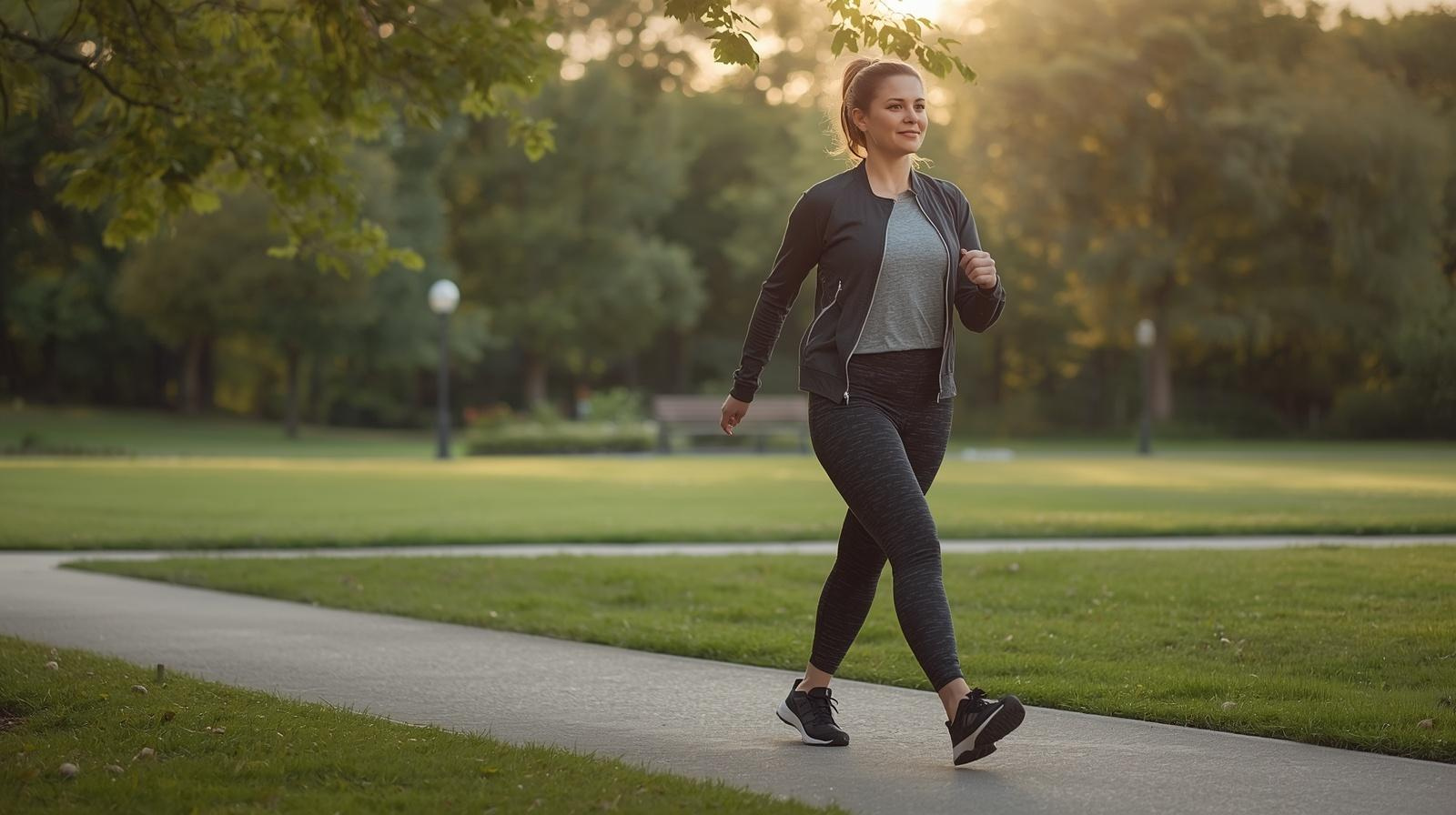
If you’ve ever wondered, “Can walking help you lose belly fat?”, you’re not alone.
Many people want to reduce belly fat but feel overwhelmed by complicated workout plans, expensive gym memberships, and endless weight-loss advice online. The good news is that walking is one of the simplest forms of exercise available, and research suggests it can play an important role in a healthy weight-loss journey.
However, it is important to understand that walking is not a magic solution that specifically targets belly fat. Instead, walking helps increase overall calorie expenditure, improve fitness, support metabolism, and contribute to gradual fat loss throughout the body.
In this article, we’ll explore what science says about walking and belly fat, why some people struggle to lose abdominal fat, and how simple daily habits can make a significant difference over time.
What Is Belly Fat?
Before discussing whether walking helps reduce belly fat, it’s important to understand what belly fat actually is.
Belly fat generally falls into two categories:
Subcutaneous fat is the fat located just beneath the skin. This is the fat you can pinch around your waist.
Visceral fat is deeper abdominal fat that surrounds internal organs. Excess visceral fat is associated with an increased risk of health conditions such as heart disease, type 2 diabetes, and metabolic syndrome.
Many people focus on losing belly fat for appearance reasons, but reducing excess abdominal fat can also improve overall health.
Can Walking Help You Lose Belly Fat?
The short answer is yes—walking can help you lose belly fat.
However, walking does not specifically burn fat from your stomach alone. The body decides where fat is lost from based on genetics, hormones, age, and other factors.
What walking does is help create a calorie deficit when combined with healthy eating habits. Over time, this can lead to overall body fat loss, including fat stored around the abdomen.
Regular walking may also:
- Increase daily calorie burn
- Improve cardiovascular health
- Support insulin sensitivity
- Reduce stress levels
- Improve mood and energy
- Encourage a more active lifestyle
The key is consistency rather than intensity.
What Science Says About Walking and Fat Loss
Research consistently shows that regular physical activity contributes to weight management and fat loss.
Walking is often recommended because it is:
- Low impact
- Accessible to most fitness levels
- Easy to maintain long-term
- Less intimidating than intense exercise programs
Many experts agree that sustainable habits usually produce better long-term results than extreme workout routines that are difficult to maintain.
While walking alone may not produce dramatic changes overnight, regular walking combined with balanced nutrition can contribute to meaningful improvements over time.
Why Some Women Struggle to Lose Belly Fat
Many women ask:
“I do housework all day. Why am I still gaining weight or struggling to lose belly fat?”
This is a very common concern.
Household chores certainly burn calories and keep the body moving. However, several factors influence weight gain and belly fat accumulation.
Common reasons include:
- Eating more calories than the body uses
- Hormonal fluctuations
- Pregnancy and postpartum changes
- Chronic stress
- Poor sleep habits
- Aging and reduced muscle mass
- Lack of structured physical activity
- Long periods of sitting despite being busy
Even active people can gain weight if calorie intake regularly exceeds calorie expenditure.
This is one reason why combining movement with healthy eating habits is usually more effective than relying on activity alone.
My Personal Experience With Walking and Weight Management
In my own experience, walking has always felt like one of the easiest healthy habits to maintain.
I don’t believe there is a single “belly fat burner” that works for everyone. In my opinion, the best approach combines healthy eating habits, regular movement, consistency, and patience.
One thing I often notice is that many women stay busy throughout the day doing household chores, but still feel frustrated when their belly fat doesn’t decrease.
I think one reason is that activity alone is not always enough. Portion sizes, food choices, sleep quality, and daily routines also play important roles.
I also believe that eating balanced meals and staying active after meals can be helpful habits.
For example, I personally try not to lie down immediately after eating. Many people develop a habit of eating and then spending long periods sitting or lying down. While digestion itself doesn’t directly cause belly fat, being inactive for the rest of the day can reduce overall energy expenditure.
Instead, light movement after meals may help people stay more active throughout the day.
Why Walking After Meals Is Popular
One reason walking receives so much attention is that it is easy to fit into daily life.
Some people enjoy taking a short walk after meals.
This habit may help:
- Increase daily step count
- Support digestion comfort
- Encourage consistent activity
- Reduce prolonged sitting
I remember telling a friend that I like walking after meals whenever possible. She laughed and said that walking makes her feel hungry again.
Interestingly, many people share similar experiences.
The solution is not avoiding walking altogether. Instead, it may be helpful to focus on balanced meals that contain protein, fiber, and healthy fats, which can improve satiety and help manage hunger.
If controlling hunger is difficult during weight loss, you may also find this helpful: How to Reduce Hunger During Weight Loss Naturally
Walking Helps Build Consistency
One of the biggest advantages of walking is that it is sustainable.
Many people start intense workout programs only to quit after a few weeks because the routine feels overwhelming.
Walking is different.
Most people can fit a walk into their day without special equipment, advanced fitness knowledge, or expensive memberships.
Over time, these small efforts can add up.
Consistency often matters more than perfection.
A person who walks regularly for months may achieve better long-term results than someone who follows an extreme workout routine for only two weeks.
How Much Walking Do You Need to Lose Belly Fat?
One of the most common questions people ask is how much walking is actually needed to see results.
There is no single number that works for everyone because factors such as age, weight, fitness level, diet, and overall activity affect results.
However, many health experts recommend aiming for at least 150 minutes of moderate physical activity per week. This can be broken down into manageable daily walks.
For example:
- 30 minutes of walking five days per week
- Two 15-minute walks daily
- Short walks after meals
- Longer weekend walks
The most important factor is finding a routine that you can maintain consistently.
Is Walking Better Than Doing Nothing?
Absolutely.
Many people believe that if they cannot do intense workouts, there is no point in exercising at all.
This mindset often prevents progress.
Walking may not burn calories as quickly as running, but it still provides meaningful health benefits. It encourages movement, supports heart health, burns calories, improves mood, and helps reduce sedentary behavior.
Small actions repeated consistently often create larger results than occasional extreme efforts.
Why Belly Fat Can Increase Over Time
Belly fat does not usually appear overnight.
In many cases, it develops gradually due to lifestyle patterns maintained over months or years.
Common contributors include:
- Eating larger portions regularly
- Frequent consumption of processed foods
- Sugary drinks
- Lack of physical activity
- Chronic stress
- Poor sleep
- Aging-related muscle loss
Many people focus on finding a quick fix, but lasting changes often come from improving everyday habits.
Pregnancy, Postpartum Changes, and Belly Fat
Many women notice that their stomach remains larger after pregnancy or a C-section.
This is completely understandable.
During pregnancy, abdominal muscles and connective tissues stretch to accommodate a growing baby. Recovery takes time, and every woman’s body heals differently.
Additional factors can make postpartum weight loss more challenging:
- Hormonal changes
- Sleep deprivation
- Reduced physical activity during recovery
- Increased stress
- New lifestyle responsibilities
Many mothers become frustrated when their bodies do not immediately return to their pre-pregnancy shape.
In reality, recovery often requires patience and realistic expectations.
Gentle walking is frequently one of the first forms of exercise many women feel comfortable returning to after receiving medical clearance.
Why Sleep Matters for Belly Fat Loss
Many people focus only on exercise and diet while ignoring sleep.
However, sleep plays an important role in weight management.
Poor sleep may:
- Increase hunger
- Increase cravings
- Reduce energy
- Make exercise feel harder
- Affect hormone regulation
People who consistently get adequate sleep often find it easier to maintain healthy eating habits and physical activity routines.
Stress and Belly Fat
Stress is another factor that deserves attention.
When stress levels remain high for extended periods, people may experience:
- Emotional eating
- Increased cravings
- Reduced motivation
- Poor sleep quality
Managing stress does not require perfection.
Simple habits such as walking, spending time outdoors, staying connected with loved ones, and practicing relaxation techniques may help support overall well-being.
Healthy Habits That Support Belly Fat Loss
In my opinion, the most effective “belly fat burner” is not a pill, detox tea, or supplement.
The habits that tend to work best are:
- Eating balanced meals
- Managing portion sizes
- Walking regularly
- Strength training when possible
- Getting enough sleep
- Staying hydrated
- Being patient and consistent
These habits may sound simple, but they are often more effective than extreme approaches.
Health should always be a priority because when your health feels good, many other parts of life become easier too.
Helpful Resources
If you’re trying to lose weight, start with a beginner-friendly approach like How to Get Fit at Home: The Ultimate Beginner’s Guide, which helps you build a strong foundation.
To reduce belly fat effectively, you can follow the methods explained in How to Lose Belly Fat at Home Without a Gym.
Staying consistent is the hardest part, and How to Stay Consistent With Fitness for Beginners will help you stay on track.
For beginners, simple routines from Best Home Exercises for Weight Loss Beginners are very effective.
Tips to Stay Active Daily
- Short walks after meals
- Increase daily step count
- Avoid long sitting periods
- Track consistency
Frequently Asked Questions
Can walking alone reduce belly fat?
Walking can contribute to overall fat loss, including belly fat, especially when combined with healthy eating habits and a calorie deficit.
How long should I walk each day to lose belly fat?
Many people aim for around 30 minutes of walking per day, but consistency matters more than any specific number.
Is walking after meals good for weight loss?
Walking after meals may help increase daily activity levels and reduce prolonged sitting, which can support overall weight-management efforts.
Why am I walking every day but not losing belly fat?
Weight loss depends on multiple factors, including calorie intake, sleep quality, stress levels, hormones, and overall lifestyle habits.
Can housework replace walking for weight loss?
Housework burns calories and keeps you active, but structured walking can make it easier to track activity and maintain a consistent exercise routine.
Conclusion: Can Walking Help You Lose Belly Fat?
So, can walking help you lose belly fat?
The answer is yes, but walking works best as part of a bigger lifestyle approach.
Walking helps increase physical activity, burn calories, improve fitness, and support long-term weight management. However, lasting results usually come from combining walking with healthy eating habits, good sleep, stress management, and consistency.
In my own experience, the biggest difference has never come from searching for a quick fix. Instead, it comes from maintaining simple habits such as staying active, managing portions, reducing highly processed foods, and being patient with the process.
Remember that belly fat loss takes time.
Small habits repeated consistently for months often produce better results than extreme diets followed for only a few days.
If you’re working toward a healthier lifestyle, start where you are, stay consistent, and focus on progress rather than perfection.
Have you tried walking for weight loss? Share your experience in the comments below. I’d love to hear what has worked for you.