
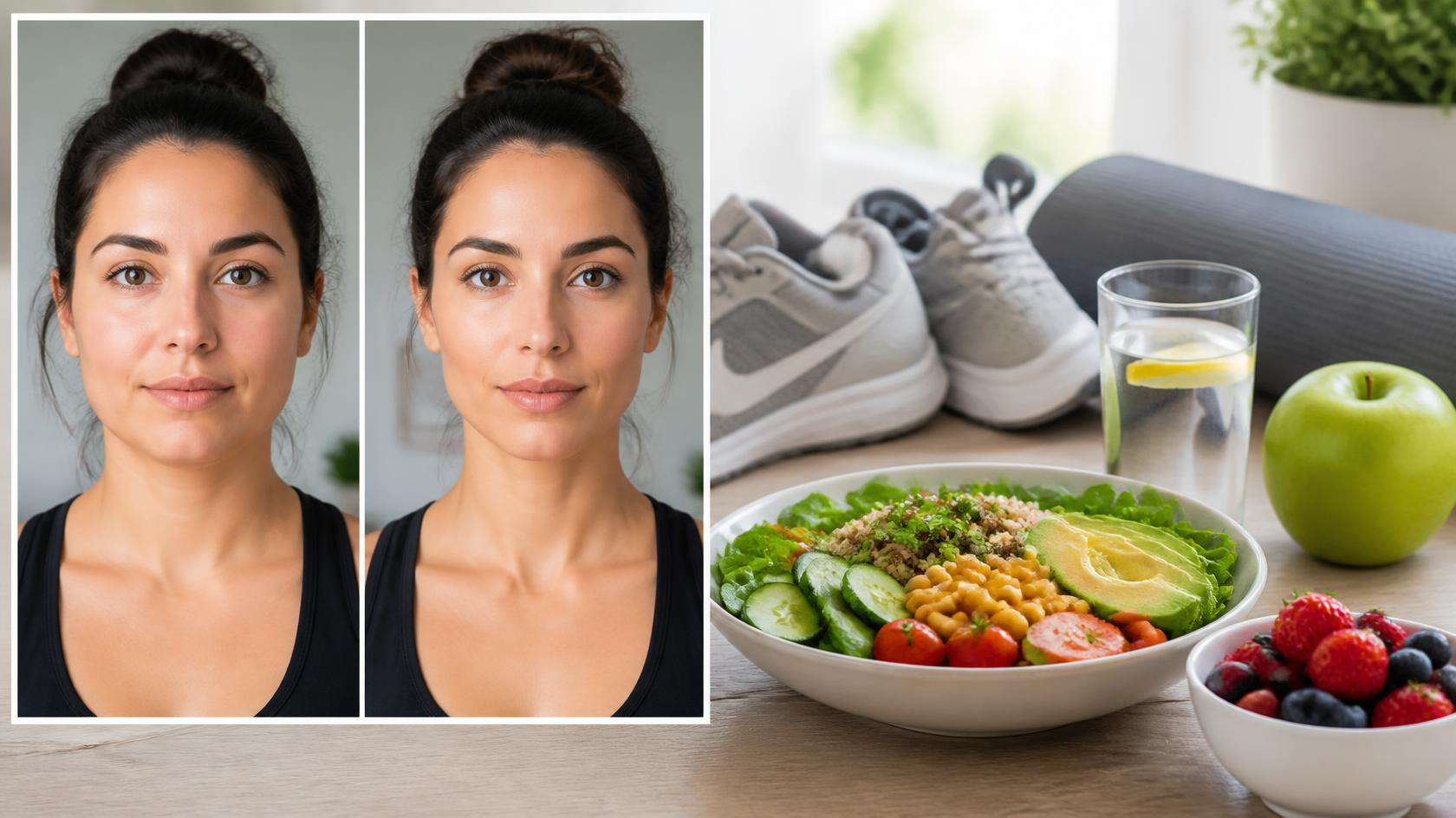
Have you noticed that your face looks fuller even when your overall weight has not changed much? You may be wondering how to lose face fat naturally without following extreme diets or spending hours doing facial exercises.
The good news is that a healthier lifestyle can help reduce overall body fat and may gradually make your face look slimmer. However, there is an important fact to understand: you cannot reliably choose exactly where your body loses fat first. Spot reduction—trying to burn fat from one specific area—is not supported by evidence.
Instead of looking for a quick face-fat solution, focus on sustainable habits that support a healthy weight, balanced nutrition, regular movement, adequate sleep, and good hydration.
In this guide, you will learn how to lose face fat naturally, which habits may help, which popular claims are myths, and what you can realistically expect.
Can You Lose Face Fat Naturally?
Yes, your face can become slimmer as you reduce overall body fat, but the process is different for everyone.
Your genetics, age, body composition, lifestyle, and where your body naturally stores fat can influence how your face looks. Some people notice changes in their face relatively early during weight loss, while others notice changes in other areas first.
The goal should not be to drastically restrict food just to make your face look thinner. Gradual weight loss through healthy eating and physical activity is generally a more sustainable approach. The CDC notes that gradual weight loss is more appropriate for maintaining healthy lifestyle changes.
If you are already at a healthy weight, trying to lose additional weight simply to change your face shape may not be necessary.
How to Lose Face Fat Naturally: 10 Effective Tips
1. Focus on Overall Body-Fat Reduction
The most important answer to how to lose face fat naturally is to focus on your overall health rather than trying to burn facial fat directly.
When your body loses excess fat, your face may also become leaner. However, you cannot control the exact order in which fat disappears.
A sustainable calorie deficit, combined with nutritious foods and regular activity, can support gradual weight loss when weight loss is appropriate for you.
Avoid crash diets that promise a dramatically slimmer face within a few days. Fast changes on the scale may sometimes reflect water loss rather than meaningful fat loss.
For more practical information about supporting your metabolism and healthy weight-management habits, see our guide on speeding up your metabolism naturally.
2. Eat More Whole, Nutrient-Dense Foods
Your daily diet can make a significant difference to your overall weight-management goals.
Build meals around foods such as:
- Vegetables
- Fruits
- Whole grains
- Beans and lentils
- Eggs
- Lean poultry and fish
- Plain yogurt
- Nuts and seeds in sensible portions

Fruits and vegetables provide fiber, vitamins, minerals, and other nutrients while helping you build satisfying meals.
You do not need to completely eliminate carbohydrates or fats. Instead, focus on food quality, portions, and your overall eating pattern.
For practical meal inspiration, explore our guide to healthy recipes for weight loss.
3. Reduce Excess Sodium
Eating a lot of salty foods can contribute to temporary water retention in some people. This can make the face appear puffier even though it is not the same thing as gaining facial fat.
Common sources of high sodium intake include:
- Packaged snacks
- Instant noodles
- Processed meats
- Fast food
- Salty sauces
- Pickles and highly salted foods
This does not mean you need to completely avoid salt. The goal is to avoid consistently consuming excessive amounts of sodium.
If your face suddenly becomes very swollen, particularly if swelling is severe, persistent, one-sided, or associated with breathing difficulties, seek medical advice rather than assuming it is simply facial fat.
4. Drink Enough Water
Hydration is another important part of a healthy lifestyle.
Some people confuse temporary water retention with fat gain. Drinking enough water and staying hydrated can support normal body functions and may help you maintain healthier eating habits.
However, drinking excessive amounts of water will not directly burn face fat.
There is no need to force yourself to drink huge quantities of water simply because you want a slimmer face. Your individual fluid needs depend on factors such as body size, activity, climate, diet, and health conditions.
Choose water regularly throughout the day and pay attention to thirst and your body’s needs.
5. Limit Sugary Drinks and Excess Added Sugar
Sweetened beverages can add a significant amount of calories without making you feel as satisfied as a balanced meal.
Examples include:
- Soft drinks
- Sweetened juices
- Energy drinks
- Sugary coffee drinks
- Sweetened teas
Replacing some of these drinks with water or unsweetened options can be a simple way to reduce excess calorie intake.
You do not need to label every sweet food as “bad.” Instead, focus on moderation and your overall dietary pattern.
6. Exercise Regularly
Exercise cannot specifically target facial fat, but regular physical activity can support overall weight management and cardiovascular health.
A combination of activities can be useful, such as:
- Brisk walking
- Cycling
- Jogging
- Swimming
- Dancing
- Strength training
- Home workouts
Strength training is particularly useful because maintaining muscle is an important part of healthy weight management.
You do not need an extreme workout routine. Start with activities you can perform consistently.
If you are new to exercise, even adding more movement to your daily routine can be a positive first step.
7. Get Enough Sleep
Sleep is often overlooked when people search for how to lose face fat naturally.
Poor sleep can make healthy eating and exercise more difficult. When you are tired, you may find it harder to manage cravings, maintain your normal activity level, or stick with your nutrition goals.
Try to create a consistent sleep routine by:
- Going to bed at a similar time
- Limiting stimulating activities before bed
- Keeping your bedroom comfortable and dark
- Avoiding excessive caffeine late in the day
- Giving yourself enough time to sleep
Better sleep will not directly melt facial fat, but it can support the healthy habits that contribute to weight management.
8. Watch Your Portion Sizes
Even healthy foods can contribute to weight gain when portions consistently exceed your body’s energy needs.
Instead of drastically reducing your food intake, learn to recognize reasonable portions.
A balanced plate can include vegetables, a protein source, a whole-food carbohydrate, and a moderate amount of healthy fat.
If you often feel hungry soon after eating, your meals may need more protein, fiber, or overall balance. You can also read our guide about [why you may feel hungry even after eating].
The goal is to eat enough nutritious food to support your body while avoiding unnecessary excess.
9. Reduce Highly Processed Foods
Highly processed foods are not automatically unhealthy, but many packaged foods are easy to overeat because they can be high in calories, added sugar, sodium, or refined carbohydrates.
Try replacing some processed snacks with options such as:
- Fruit and plain yogurt
- Boiled eggs
- A small handful of nuts
- Vegetables with hummus
- Homemade snacks
- Oatmeal with fruit
You do not need to completely remove your favorite foods. A flexible approach is easier to maintain than an extremely restrictive diet.
For additional practical weight-management guidance, see our 7-day weight-loss diet plan for beginners.
10. Be Patient and Track Progress Properly
One of the biggest mistakes people make when trying to learn how to lose face fat naturally is expecting immediate results.
Your face may look slightly different from day to day because of hydration, sodium intake, sleep, digestion, lighting, and other temporary factors.
Instead of checking your face repeatedly, focus on longer-term progress.
You can monitor:
- How your clothes fit
- Your energy levels
- Your exercise consistency
- Your eating habits
- Your overall weight trend, if appropriate
- Progress photos taken under similar conditions
Healthy weight loss is usually gradual rather than dramatic. The CDC recommends gradual weight loss as a safer and more sustainable approach for many adults who need to lose weight.
Face Fat vs. Facial Puffiness: What’s the Difference?
Not every fuller-looking face is caused by fat.
Facial appearance can temporarily change because of:
- Fluid retention
- High-sodium meals
- Poor sleep
- Alcohol consumption
- Hormonal changes
- Allergies
- Certain medications
- Illness or inflammation
This distinction is important because reducing calories will not necessarily fix facial puffiness caused by an underlying medical issue.
If facial swelling is sudden, severe, persistent, painful, or accompanied by difficulty breathing or swallowing, seek appropriate medical care.
Myths About Losing Face Fat
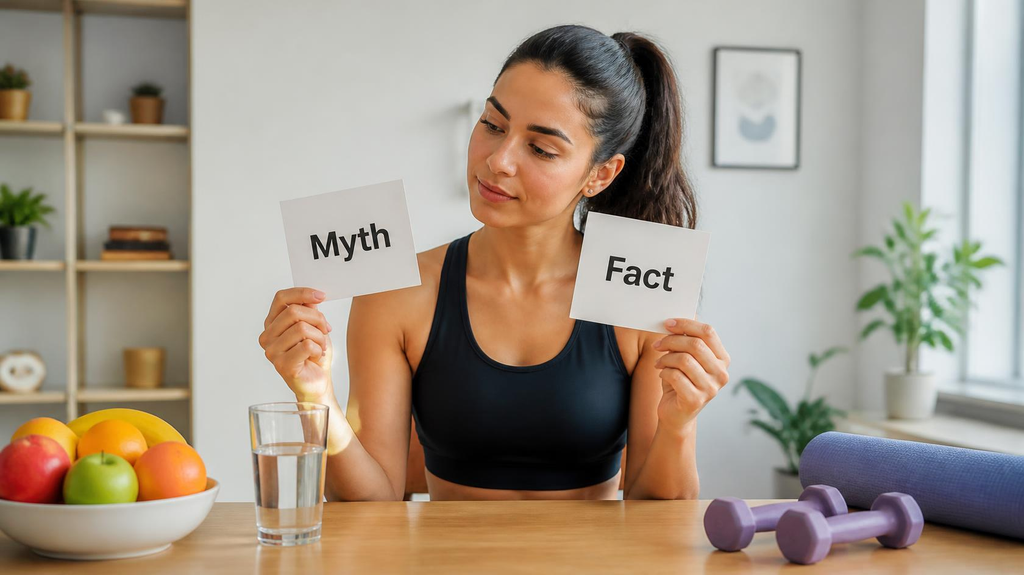
Myth 1: Facial exercises can burn face fat
Fact: Facial exercises may work certain muscles, but they cannot reliably make your body burn fat specifically from your cheeks, chin, or jawline.
Spot reduction is not a reliable fat-loss strategy.
Myth 2: You can lose face fat in three days
Fact: There is no reliable healthy method that guarantees significant facial fat loss in only a few days.
Rapid changes in facial appearance may sometimes be related to water balance rather than actual fat loss.
Myth 3: Completely avoiding carbohydrates will slim your face
Fact: You do not need to eliminate carbohydrates to manage your weight.
Whole grains, fruits, vegetables, beans, and other carbohydrate-containing foods can be part of a balanced diet.
The overall quality and quantity of your diet matter more than blaming one macronutrient.
Myth 4: Drinking huge amounts of water melts facial fat
Fact: Water is essential for health, but excessive water consumption does not directly burn facial fat.
Drink an appropriate amount for your body’s needs rather than forcing excessive fluids.
Myth 5: One “fat-burning” food can remove cheek fat
Fact: No single food can selectively remove fat from your face.
A healthy dietary pattern is much more important than searching for one magical ingredient.
What About Facial Massage?
Facial massage may feel relaxing and can temporarily change the appearance of puffiness in some situations, but it should not be presented as a proven method for burning facial fat.
If you enjoy gentle facial massage, you can treat it as part of a relaxation routine—not as a replacement for healthy nutrition and physical activity.
What If You Are Already at a Healthy Weight?
This is an important consideration.
Some people naturally have rounder cheeks, a softer jawline, or a fuller face because of genetics and facial structure.
If you are already at a healthy weight, trying to lose more weight solely to make your face thinner may not be appropriate.
Instead, focus on:
- Strength and fitness
- Balanced nutrition
- Sleep
- Hydration
- Stress management
- Overall health
Your natural face shape is not necessarily a sign that you need to lose weight.
A Simple Daily Routine for a Healthier, Leaner-Looking Face
You do not need a complicated plan.
Morning
Start your day with water and a balanced breakfast containing protein and fiber.
Afternoon
Choose a nutritious lunch with vegetables, protein, and a suitable portion of whole-food carbohydrates.
Evening
Take a walk or complete another enjoyable form of physical activity.
Throughout the day
Drink fluids according to your body’s needs and limit unnecessary sugary drinks.
Night
Choose a light, balanced dinner and maintain a consistent bedtime routine.
Consistency with these habits is more useful than searching for a quick facial-fat trick.
When Should You Talk to a Doctor?
If your face becomes noticeably swollen without an obvious reason, do not automatically assume that you have gained facial fat.
Talk with a healthcare professional if you experience:
- Sudden facial swelling
- Persistent swelling
- Severe pain
- Swelling on only one side
- Difficulty breathing
- Difficulty swallowing
- Swelling after starting a new medication
- Other unexplained symptoms
A medical professional can help determine whether the change is related to fluid retention, an allergy, medication, or another health issue.
Frequently Asked Questions
Can I lose face fat without losing weight?
It is difficult to intentionally lose fat from only the face. If you are already at a healthy weight, your facial shape may mostly reflect genetics and natural body composition. Spot reduction is not considered a reliable strategy.
What is the fastest way to lose face fat naturally?
There is no safe shortcut that specifically removes facial fat. A better approach is to support healthy overall weight management through balanced nutrition, regular physical activity, adequate sleep, and appropriate hydration.
Does drinking water reduce face fat?
Water does not directly burn face fat. However, adequate hydration is an important part of overall health. Temporary facial puffiness may also have causes other than body fat.
Do facial exercises remove cheek fat?
Facial exercises may strengthen or move facial muscles, but they cannot reliably target fat loss specifically from the cheeks or jawline.
Can walking help reduce face fat?
Walking can contribute to overall physical activity and calorie expenditure. When combined with an appropriate eating pattern, regular walking can support overall weight management, which may eventually affect facial appearance.
How long does it take to see changes in face fat?
The timeline varies from person to person. Genetics, starting body composition, diet, activity, and overall weight change can all influence how quickly facial changes become noticeable.
Can lack of sleep make my face look puffy?
Poor sleep may affect how you look and feel and can be associated with temporary changes in appearance. If facial swelling is persistent or significant, however, it is worth discussing with a healthcare professional.
What foods should I eat to lose face fat?
There is no specific food that selectively burns facial fat. Instead, choose a balanced diet containing vegetables, fruits, whole grains, lean protein, legumes, and other nutrient-dense foods while keeping portions appropriate for your needs.
Conclusion: How to Lose Face Fat Naturally
If you are wondering how to lose face fat naturally, remember that there is no magic food, facial exercise, drink, or three-day trick that can selectively remove fat from your face.
The most realistic strategy is to focus on healthy overall habits: eat a balanced diet, manage portions, stay appropriately hydrated, exercise regularly, get enough sleep, and be patient with the process.
You also do not need to chase a slimmer face if you are already at a healthy weight. Your natural facial structure and genetics play an important role in how your face looks.
Most importantly, avoid extreme diets and unrealistic promises. Sustainable changes are more valuable than quick fixes, and gradual weight loss is generally easier to maintain over time.
Ready to improve your health and weight-management habits? Start with one small change today—such as taking a daily walk, improving one meal, or replacing a sugary drink with water. Small, consistent actions can add up over time.
Disclaimer
This article is intended for general educational and informational purposes only. It is not a substitute for professional medical advice, diagnosis, or treatment. Weight-loss needs and appropriate dietary or exercise plans vary from person to person. If you have a medical condition, take medication, are pregnant or breastfeeding, or have concerns about unexplained facial swelling or weight changes, consult a qualified healthcare professional before making significant lifestyle changes.