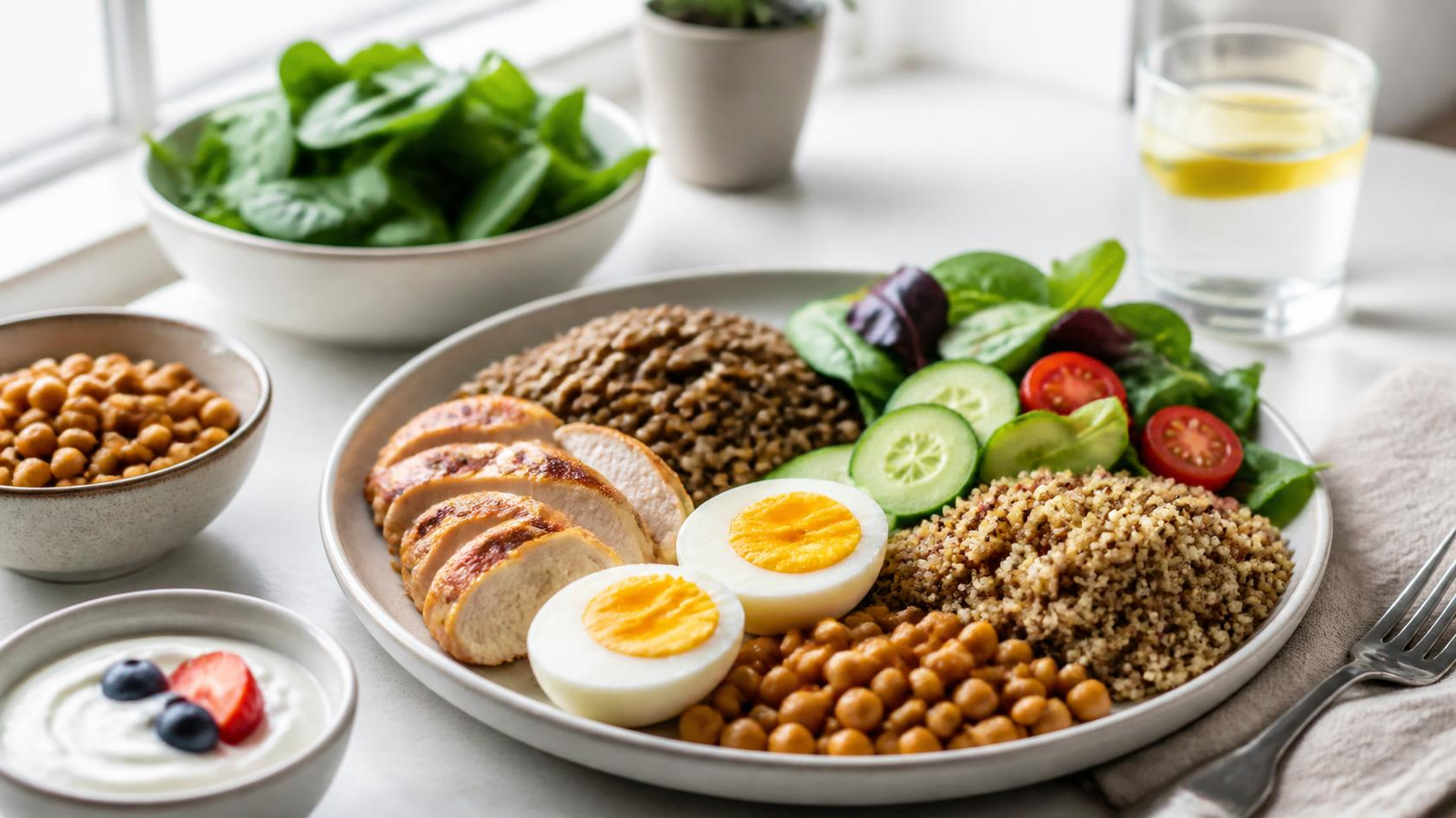
A high-protein diet for women does not have to mean expensive foods, complicated meal plans, or eating the same food every day. For many women, simple protein-rich foods already available at home can be an easy way to make everyday meals more balanced.
Your Health Matters Too
You do so much for your family—but are you taking care of your health too?
Women often become so busy with household responsibilities, work, children, and family needs that their own health comes last. Parents especially make many sacrifices for their children. When there is something good to eat at home, they may want to give it to the children first, eat less themselves, and ignore their own needs.
But constantly neglecting your health can eventually make life more difficult for the same children you have spent years caring for. If you become unwell and need help with everyday activities, your children may have to take on responsibilities that you once carried for them.
Life moves quickly, and everyone has their own responsibilities. That is why taking care of your health should not begin only after a health problem appears. If you want to stay strong and active for your children, taking care of yourself matters too.
Healthy eating does not always require expensive or special foods. Simple foods can provide important nutrients when included as part of a balanced diet. Protein is one of those important nutrients. Your body uses protein to build and repair tissues, and protein foods can include eggs, dairy, fish, poultry, beans, lentils, nuts, seeds, and soy foods.
So, in this article, we will look at 15 high-protein foods for women that can be easily included in everyday meals.
Why Is Protein Important for Women?
Protein is one of the three main macronutrients, along with carbohydrates and fats. Your body needs all three as part of a balanced eating pattern.
Protein provides amino acids that your body uses for many functions, including building and repairing body tissues. It is also found in a wide range of foods, so you do not have to depend on one particular source.
For healthy adults, the commonly cited Recommended Dietary Allowance for protein is about 0.8 grams per kilogram of body weight per day, although individual needs can vary with age, body size, activity level, pregnancy, breastfeeding, and other circumstances.
This does not mean that every woman needs to count grams of protein every day. Instead, you can focus on including a protein source in your meals and choosing a variety of foods.
15 High-Protein Foods for Women
Here are practical options you can use in breakfast, lunch, dinner, or snacks.
1. Eggs: A Simple Choice for a High-Protein Diet for Women
Eggs are one of the easiest protein foods to include in a woman’s diet. They are convenient, affordable, and can be prepared in several ways.
You can have boiled eggs for breakfast, add eggs to a vegetable omelet, or enjoy them with whole-grain toast and vegetables.
If you are trying to make your meals more filling, pairing eggs with vegetables and a source of whole grains can create a more balanced meal.
If you enjoy eggs but are unsure whether boiled eggs or omelets are better for your goals, you may also read: Boiled Eggs vs. Omelettes for Weight Loss
2. Greek Yogurt
Greek yogurt can be a convenient protein-rich choice, particularly for breakfast or a snack.
Choose plain Greek yogurt when possible and add fruit, nuts, seeds, or oats according to your preferences. Check the nutrition label because protein amounts can vary between brands.
If you prefer regular yogurt, that can also be part of a balanced diet. The important point is to consider the overall meal rather than treating one food as a magic solution.
For another look at yogurt choices, read: Is Plain Yogurt Better Than Sweetened Yogurt?
3. Chicken Breast
Chicken breast is a lean protein option that works well in many everyday meals.
You can grill, bake, boil, or cook chicken with vegetables and spices. Instead of relying on heavily fried chicken, choose cooking methods that do not add large amounts of oil. For more ideas, check out these healthy recipes with chicken
Chicken can also be added to salads, wraps, rice dishes, or homemade sandwiches for a protein-rich meal.
4. Fish
Fish provides protein and can add variety to your meals. Some types of fish also provide omega-3 fatty acids.
You can prepare salmon, trout, tuna, and other fish in different ways, depending on availability and personal preference. The National Institute on Aging and NHLBI include seafood as a useful protein choice in a healthy eating pattern.
Try baked or grilled fish with vegetables and a whole-grain side for a simple meal.
5. Lentils
Lentils are an excellent plant-based option and are especially useful for women who do not eat much meat.
They can be used in soups, curries, salads, or simple lentil dishes served with vegetables and whole grains. For another easy way to enjoy them, see our guide to lentil soup health benefits.
Lentils also contribute fiber, making them a useful addition to a varied diet.
6. Chickpeas
Chickpeas are another practical plant-based protein source.
You can add boiled chickpeas to salads, make homemade hummus, or use them in traditional meals. Their versatility makes them easy to include without completely changing your normal eating habits.
For a simple meal, combine chickpeas with vegetables, yogurt, and a moderate portion of whole-grain bread or roti.
7. Beans
Kidney beans, black beans, white beans, and other legumes can contribute protein and other nutrients to your diet.
Beans can be added to soups, salads, rice dishes, or homemade meals. They are also a useful option when you want to include more plant-based foods.
A varied diet can include both plant and animal protein sources rather than depending on one category alone.
8. Milk
Milk is a simple protein-containing food that many women already include in their daily routine.
You can have milk with breakfast or use it in oatmeal, smoothies, or other meals. If you prefer lower-fat dairy, you can choose the option that fits your overall dietary needs and preferences.
However, milk should not replace a varied diet. It is one food within a larger pattern of eating.
9. Cottage Cheese
Cottage cheese can be a convenient protein-rich food for breakfast or snacks.
Try combining it with cucumber, tomatoes, herbs, or fruit. You can also use it as a filling for a whole-grain sandwich.
As with other dairy products, check the label if you need to monitor added ingredients or sodium.
10. Tofu
Tofu is a soy-based protein that can be useful for women who prefer vegetarian meals.
It can be grilled, stir-fried, baked, or added to soups and vegetable dishes. Tofu also works well with different herbs and spices, making it easy to change the flavor from one meal to another.
Soy foods are included among the protein choices recommended in healthy eating guidance.
11. Pumpkin Seeds
Seeds can provide protein along with healthy fats and other nutrients.
Pumpkin seeds can be sprinkled over yogurt, oatmeal, salads, or homemade snacks. Because seeds are energy-dense, a small portion can be enough to add flavor and nutrients to a meal.
You do not need to eat large amounts simply because a food is considered healthy. Portion size still matters.
12. Almonds
Almonds are another convenient option for snacks or meals.
You can eat a small handful as a snack or add chopped almonds to yogurt or oatmeal. Nuts contain protein, but they also contain a significant amount of energy from fat, so portion size is useful to keep in mind.
Instead of eating directly from a large packet, place a suitable portion in a small bowl.
For more practical portion-control ideas, you can read: How to Control Portion Sizes Without Counting Calories: 12 Simple Tips
13. Peanut Butter
Peanut butter can be an easy addition to breakfast or snacks.
Spread a small amount on whole-grain toast, add it to oatmeal, or combine it with fruit.
Look at the ingredient list when buying peanut butter. Some varieties contain added sugar or other ingredients, so choosing a product that fits your dietary preferences can make sense.
14. Turkey
Turkey is another lean protein option that can be used in sandwiches, salads, wraps, or cooked meals.
If you buy processed turkey products, check the nutrition label because some packaged products can contain considerable amounts of sodium.
Whenever possible, simple home-prepared protein foods can make it easier to control what goes into your meal.
15. Cottage-Style Homemade Cheese or Paneer
Paneer can be a useful protein-containing food in South Asian meals.
You can add small portions of paneer to vegetable dishes, wraps, salads, or homemade meals. Cooking it with vegetables can make a more balanced plate than eating a large portion of cheese alone.
Because paneer can also contain substantial fat and calories depending on how it is prepared, portion size and cooking method matter.
How to Add More Protein to Your Daily Meals
You do not have to completely change your diet to include more protein.
Small changes can be easier to maintain:
- Add an egg to breakfast.
- Choose plain Greek yogurt for a snack.
- Add lentils or beans to lunch.
- Include chicken or fish with vegetables at dinner.
- Sprinkle a small portion of seeds over yogurt or oats.
- Add chickpeas to salads.
- Use milk in a balanced breakfast.
- Include tofu or paneer in vegetable dishes.
- Combine protein foods with vegetables and whole grains.
The goal is not to make every meal extremely high in protein. A balanced eating pattern includes a mixture of protein foods, vegetables, fruits, whole grains, and other nutrient-dense foods. NIH guidance also recommends varying protein sources rather than relying heavily on one type of food.
Can a High Protein Diet for Women Help With Weight Management?
A high protein diet for women is often discussed in relation to weight management because protein can be part of satisfying, balanced meals. However, eating more protein alone does not guarantee weight loss.
Your overall food intake, activity, sleep, eating habits, portion sizes, and individual circumstances all matter.
Instead of simply adding protein on top of everything you already eat, think about how protein can fit into your existing meals. For example, replacing a highly processed snack with yogurt and fruit or adding lentils and vegetables to a meal may create a more balanced option.
If hunger is one of your biggest challenges while trying to manage your weight, you may find this guide useful: How to Reduce Hunger During Weight Loss Naturally
What Should a Balanced High-Protein Plate Look Like?
A protein-rich meal does not need to be complicated.
A simple approach is to combine:
Protein + vegetables or fruit + whole grains or another carbohydrate source + a suitable source of healthy fat
For example:
- Eggs + vegetables + whole-grain toast
- Chicken + salad + brown rice
- Lentils + vegetables + roti
- Greek yogurt + fruit + a small amount of nuts
- Fish + vegetables + potatoes
- Chickpeas + cucumber and tomato + whole-grain bread
This approach helps you think about the whole meal instead of focusing on one nutrient.
Do Women Need More Protein as They Get Older?
Protein needs are not identical for every woman, and age is only one factor.
Activity level, body size, pregnancy, breastfeeding, health conditions, and other individual circumstances can affect nutritional needs. Women should therefore avoid assuming that one protein target is suitable for everyone.
For healthy adults, the standard RDA is approximately 0.8 g/kg of body weight per day, but certain life stages can require different amounts. For example, pregnancy and breastfeeding have different protein recommendations.
If you have kidney disease or another medical condition that affects your diet, talk with your healthcare professional before making a major change in protein intake.
Simple High-Protein Breakfast Ideas for Women
Breakfast does not need to be elaborate.
Try one of these combinations:
Option 1: Two eggs + whole-grain toast + vegetables
Option 2: Plain Greek yogurt + fruit + oats + a few nuts
Option 3: Oatmeal prepared with milk + peanut butter + fruit
Option 4: Chickpea or lentil dish + roti + cucumber
Option 5: Paneer or tofu + vegetables + whole-grain toast
The best option is usually the one you can prepare easily and enjoy consistently.
Protein and Portion Size Still Matter
One common mistake is assuming that a healthy food can be eaten without considering quantity.
Nuts, seeds, peanut butter, cheese, paneer, and some other protein-containing foods can be nutritious but also energy-dense. Eating very large portions may add more calories than you realize.
This is why a balanced approach is more practical than labeling foods as completely “good” or “bad.”
You can enjoy protein foods while still paying attention to your overall portions and meal balance.
Common Mistakes to Avoid
Eating Only Protein
Your body needs more than protein. A balanced diet also includes carbohydrates, fats, vitamins, minerals, fiber, and adequate fluids.
Depending on Processed Protein Foods
Protein bars, shakes, and processed meats may be convenient, but they do not need to become the foundation of your diet. Whole or minimally processed protein foods can often fit more naturally into everyday meals.
Ignoring Vegetables and Fiber
Adding protein does not mean removing vegetables, fruits, legumes, or whole grains. These foods contribute other nutrients that your body needs.
Choosing Fried Protein Foods Frequently
Chicken, fish, paneer, or eggs can become much higher in calories when prepared with large amounts of oil or deep-frying. Cooking methods matter.
Believing More Protein Always Means Better Results
More is not automatically better. Your protein intake should fit your overall nutritional needs rather than following a very high target simply because it is popular online.
What About Protein for Women Trying to Lose Weight?
If weight management is your goal, protein can be included as part of a balanced eating pattern rather than treated as a shortcut.
For example, instead of skipping meals and then becoming extremely hungry later, you can build meals around a protein source, vegetables, and an appropriate portion of carbohydrates.
Your meals should also be enjoyable. A healthy diet that feels impossible to maintain is unlikely to become a lasting habit.
If you are already working on portion control, this guide can complement your approach:
How to Control Portion Sizes Without Counting Calories: 12 Simple Tips
Frequently Asked Questions
What is the best high-protein food for women?
There is no single best protein food for every woman. Eggs, yogurt, chicken, fish, lentils, beans, chickpeas, tofu, nuts, seeds, and other foods can all contribute protein. Choosing a variety of sources can help create a more balanced diet.
How much protein does a woman need per day?
For healthy adults, the commonly used RDA is about 0.8 grams of protein per kilogram of body weight per day. Individual needs can differ based on factors such as pregnancy, breastfeeding, activity level, age, body size, and health status.
Can high-protein foods help with weight loss?
Protein can be part of satisfying, balanced meals, but simply eating more protein does not guarantee weight loss. Overall calorie intake, food quality, activity, sleep, and individual factors also matter.
Are eggs a good protein food for women?
Yes. Eggs are a convenient protein-containing food and can be prepared in many ways. Pairing them with vegetables and a whole-grain food can create a more balanced meal.
Can vegetarians get enough protein?
Yes. Vegetarian diets can include lentils, beans, chickpeas, tofu, soy foods, dairy products, nuts, and seeds. Eating a variety of protein sources can help provide a broader range of nutrients.
Is Greek yogurt better than regular yogurt?
Not necessarily for everyone. Greek yogurt is often higher in protein than regular yogurt, but both can fit into a balanced diet. Check the nutrition label and choose according to your nutritional needs and preferences.
Can I eat high-protein foods every day?
Protein foods can be included every day as part of a varied diet. The key is variety and balance rather than eating the same protein source at every meal.
Should women take protein supplements?
Not every woman needs a protein supplement. Many people can obtain adequate protein from regular foods. Supplements may be useful in certain situations, but individual needs should be discussed with a qualified healthcare professional when necessary.
Conclusion: Make a High Protein Diet for Women Part of a Balanced Lifestyle
A high protein diet for women does not need to be complicated, expensive, or restrictive. Eggs, yogurt, chicken, fish, lentils, chickpeas, beans, milk, tofu, nuts, seeds, and other everyday foods can all help you include protein in your meals.
The bigger goal is not simply to eat more protein. It is to build meals that provide a variety of nutrients while fitting your lifestyle, preferences, and needs.
And while caring for your family is important, your health deserves a place on that list too. You do not have to wait until you feel unwell before you start paying attention to what you eat.
Start with one small change. Add an egg to breakfast, choose yogurt for a snack, include lentils at lunch, or add a protein source to your dinner. Small, realistic habits can become part of a healthy routine over time.
Your family needs your love and care—but taking care of yourself is part of that care too.
Ready to improve your everyday meals?
Choose one protein-rich food from this list and include it in your next meal. Keep your meals balanced, pay attention to portions, and focus on habits you can maintain rather than chasing quick fixes.