
Introduction
You don’t always need to count every calorie to eat healthier or manage your weight. Learning how to control portion sizes can be a simpler way to manage how much food you eat and support healthy eating habits.
Even nutritious foods can contribute more calories than you need when the portions become too large. On the other hand, making your portions too small can leave you hungry, tired, and more likely to overeat later.
“The goal is not to eat as little as possible. The goal is to manage your food portions without feeling deprived.”
Portion control can be especially useful if you want to lose weight, maintain a healthy weight, or simply develop better eating habits. The CDC notes that counting calories all the time is not necessary for everyone, while paying attention to food choices and portion sizes can still be helpful for healthy weight management.
In this guide, you’ll learn 12 practical ways to control portions without weighing every food or tracking every calorie.
Portion Size vs. Serving Size: What’s the Difference?
Before learning portion control, it helps to understand the difference between a portion and a serving.
A portion is the amount of food you choose to eat at one time.
A serving size is a standardized amount listed on a food package or used as a reference.
These aren’t always the same.
For example, a package might say that one serving of a snack is 30 grams, but you may eat 60 grams without realizing it. That means your portion was two servings.
The FDA explains that the serving size on a nutrition label is not necessarily the amount you should eat.
Understanding this difference can make portion control much easier.
12 Simple Ways to Control Portion Sizes Without Counting Calories
1. Use a Smaller Plate
One of the easiest ways to control your portions is to change the size of your plate.
A very large plate can make a normal amount of food look small, encouraging you to add more. A smaller plate can make a moderate portion look more satisfying.
You don’t need to use tiny plates or eat very little. Simply try using a medium-sized plate for regular meals.
For example, instead of filling a large dinner plate with rice, curry, bread, and side dishes, start with a moderate portion and see whether you’re still hungry before taking more.
This simple habit can help you become more aware of how much you’re eating.
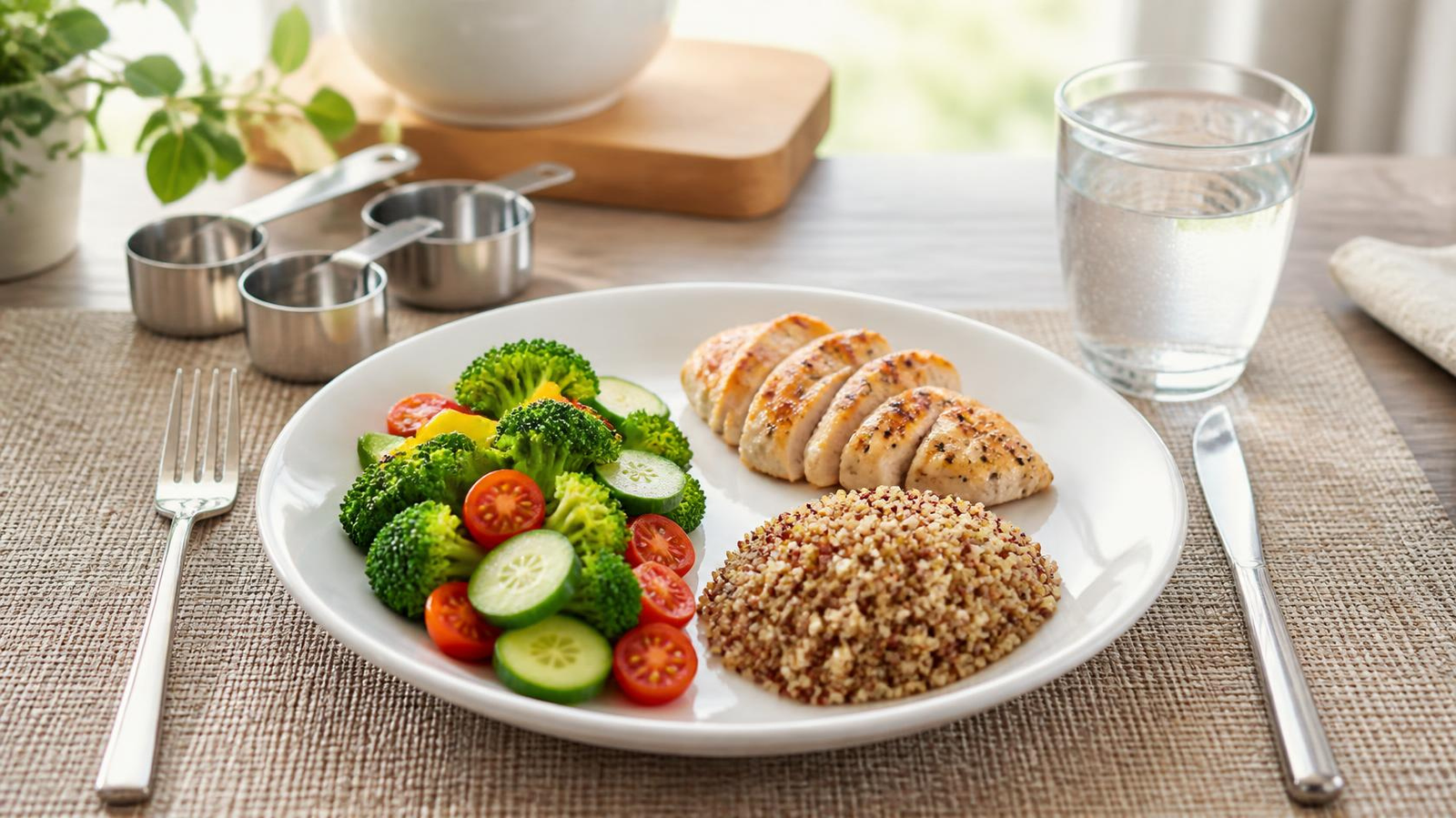
2. Try the Plate Method
The plate method is one of the easiest ways to build a balanced meal without calculating calories.
A simple approach is:
- Half the plate: non-starchy vegetables
- One-quarter: protein
- One-quarter: carbohydrates
For example, your plate could contain:
- Salad and cooked vegetables
- Chicken, fish, eggs, beans, or lentils
- A moderate portion of rice, potatoes, roti, or another grain
The CDC describes a similar plate method using vegetables, lean protein, and carbohydrate foods.
This doesn’t mean every meal has to look exactly the same. Your nutritional needs, culture, preferences, and health conditions can vary.
The goal is simply to create a visual balance.
3. Don’t Eat Directly From the Packet
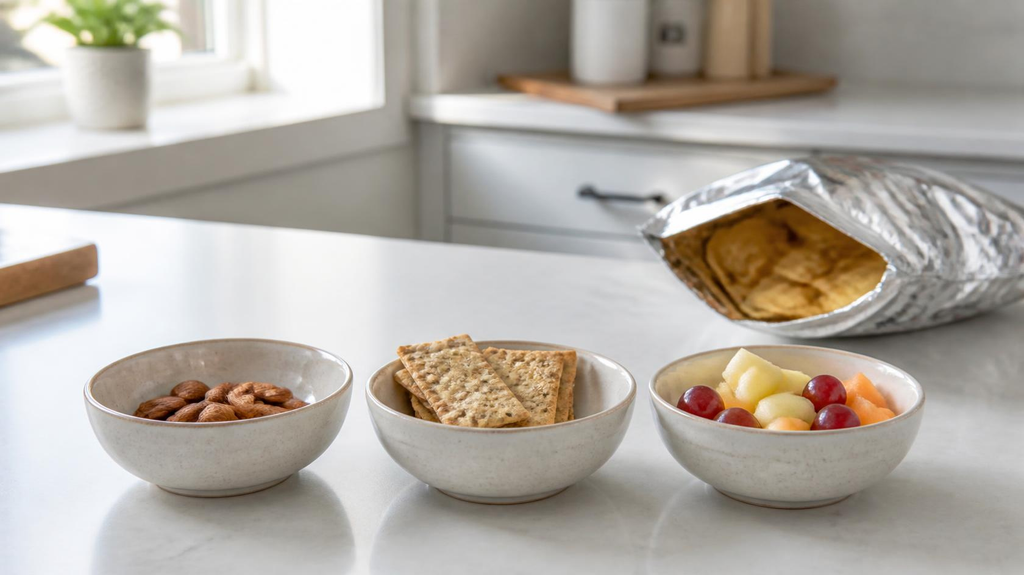
This is a small habit that can make a surprisingly big difference.
If you eat chips, biscuits, nuts, crackers, or other snacks directly from a large packet, it can be difficult to notice how much you’ve eaten.
Instead:
- Take a reasonable amount.
- Put it into a small bowl or plate.
- Put the packet away.
- Eat your snack without repeatedly refilling the bowl.
This makes your portion visible.
The CDC also recommends measuring snacks rather than eating directly from the bag or box.
4. Use Your Hand as a Quick Portion Guide
You don’t always have measuring cups or a food scale with you.
Your hands can provide a simple visual guide.
As a general reference:
- Protein: about the size of your palm
- Carbohydrates: about a cupped hand
- Fats: about the size of your thumb
- Vegetables: one or more handfuls
This isn’t a medical prescription or an exact measurement. Your nutritional needs depend on your body, activity level, age, goals, and health status.
The CDC also provides a hand-based method for estimating certain food portions, such as a fist for approximately one cup or a cupped hand for certain snack portions.
The biggest advantage is convenience: your hand travels with you everywhere.
5. Eat Slowly and Give Your Body Time
Eating quickly can make it harder to notice when you’re becoming comfortably full.
Try slowing down:
- Put your spoon or fork down between bites.
- Chew your food properly.
- Take small pauses during your meal.
- Pay attention to the taste and texture.
- Ask yourself whether you’re still hungry before getting another serving.
You don’t have to eat extremely slowly. The goal is simply to become more mindful instead of finishing the entire plate automatically.
6. Start With a Moderate Portion
You don’t have to serve your entire meal at once.
Start with a reasonable portion and eat it slowly. If you’re still genuinely hungry afterward, you can have more.
This is particularly helpful with foods such as:
- Rice
- Pasta
- Biryani
- Curry
- Potatoes
- Desserts
- Snacks
Instead of thinking, “I must not eat more,” think:
“I’ll start with a sensible portion and see how I feel.”
This approach can make portion control feel less restrictive.
7. Include Protein and Fiber in Your Meals
A meal made mostly of refined carbohydrates may not keep you satisfied for very long.
Try combining carbohydrates with protein, vegetables, fruit, or other fiber-rich foods.
Examples include:
- Eggs + vegetables + roti
- Chicken + salad + rice
- Lentils + vegetables + roti
- Plain yogurt + fruit
- Beans + vegetables
- Oatmeal + yogurt + fruit
The CDC recommends prioritizing protein foods, vegetables, fruits, and fiber-rich whole grains as part of healthy eating patterns.
If you’re frequently hungry even after eating, you may also find this guide useful:
Read: Why Am I Always Hungry Even After Eating?
8. Be Careful With “Healthy” Foods
One of the biggest portion-control mistakes is assuming that a healthy food can be eaten without limits.
Healthy foods still provide energy.
Foods such as:
- Nuts
- Peanut butter
- Avocado
- Olive oil
- Granola
- Dried fruit
- Whole-grain snacks
can be nutritious, but portions still matter.
For example, adding several tablespoons of oil to a meal can significantly increase its calorie content even though the oil itself may be considered a healthier fat.
This is why healthy food + appropriate portion is often more useful than simply labeling foods as “good” or “bad.”
9. Pay Attention to Drinks
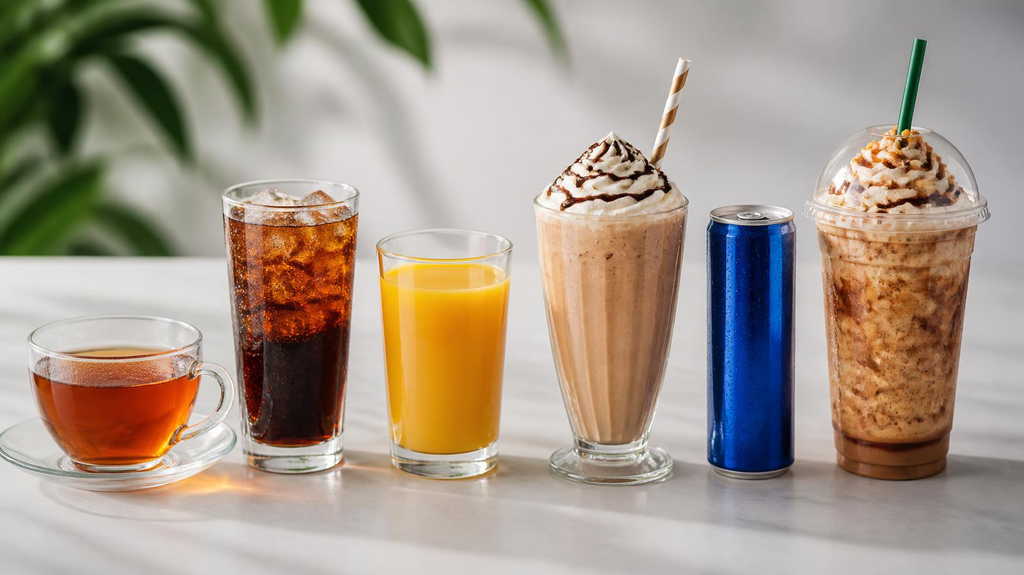
People often think about portion control only when eating solid food.
But drinks can also contribute calories.
Be mindful of:
- Sugary tea and coffee
- Soft drinks
- Sweetened juices
- Milkshakes
- Sweetened energy drinks
- Large specialty coffees
Water, unsweetened tea, or other lower-calorie choices can often be easier options when you’re trying to manage your overall intake.
Also remember that whole fruit and fruit juice aren’t nutritionally identical. Whole fruit provides fiber and usually takes longer to consume than juice.
10. Learn to Read Food Labels
Packaged foods can make portion control confusing.
When buying packaged food, check:
- Serving size
- Number of servings per package
- Calories per serving
- Added sugars
- Saturated fat
- Sodium
- Protein
- Fiber
The FDA explains that % Daily Value can help you understand whether a nutrient is relatively low or high in a serving.
Also remember that serving size is not automatically your ideal portion size.
For added sugars, the FDA’s Daily Value is 50 grams per day based on a 2,000-calorie diet, while individual needs may differ.
Simple rule
Don’t just ask:
“Is this food healthy?”
Also ask:
“How much am I eating?”
11. Control Portions When Eating Out
Restaurant portions can be much larger than the amount you would normally serve yourself at home.
You don’t have to avoid restaurants completely.
Try these strategies:
- Share a large meal.
- Order a smaller portion when available.
- Eat half and save the rest.
- Choose vegetables or salad as a side.
- Avoid automatically adding extra sauces and dressings.
- Stop eating when comfortably satisfied instead of eating everything simply because it is on the plate.
The CDC specifically recommends strategies such as splitting an entrée or taking part of a restaurant meal home.
12. Don’t Try to Be Perfect
This may be the most important portion-control tip.
You don’t need perfect portions at every meal.
Eating more than planned at lunch does not mean your whole day is ruined.
Having pizza with friends is okay, so enjoy it without feeling guilty.
Dessert at a family gathering is also fine. Simply return to your normal routine the next day instead of punishing yourself.
Consistency is more important than perfection.
If you’re working on weight loss, you may also find these related guides useful:
- Why Am I Gaining Weight Even Though I Eat Healthy?
- Why Am I Not Losing Weight Even After Walking Daily?
- How to Reduce Hunger During Weight Loss Naturally
- Simple 7-Day Diet Plan for Weight Loss Beginners
How Much Should You Eat at Each Meal?
There isn’t one universal portion size that is perfect for everyone.
Your needs can vary according to:
- Age
- Sex
- Height
- Body size
- Physical activity
- Weight goals
- Pregnancy or breastfeeding
- Medical conditions
- Medications
- Individual nutritional needs
Instead of following an extremely restrictive rule, start with a balanced plate and adjust according to your hunger, fullness, and nutritional needs.
For many people, a simple visual approach is easier to maintain than weighing every ingredient.
Portion Control for Common Pakistani Foods
Portion control doesn’t mean giving up traditional foods.
You can still enjoy foods such as:
Roti
Instead of automatically eating several rotis, start with a reasonable amount and include vegetables and protein with the meal.
Rice
Serve rice in a moderate portion and pair it with vegetables, lentils, chicken, or another protein source.
Biryani
You don’t have to completely avoid biryani. Enjoy a sensible portion and balance the meal with salad or vegetables.
Paratha
Paratha can be higher in fat depending on how it is prepared. Consider portion size and how much oil or ghee is used.
Curry
Pay attention not only to the main ingredients but also to the amount of oil used in preparation.
Snacks
Instead of eating directly from the packet, place a moderate amount in a bowl.
The goal isn’t to remove your favorite foods. It’s to become more aware of quantity and frequency.
Can Portion Control Help With Weight Loss?
Yes, portion control can be a useful part of weight management because eating smaller or more appropriate portions can reduce overall energy intake without requiring you to eliminate entire food groups.
However, weight is influenced by more than portion size alone. Physical activity, sleep, age, genetics, medications, and other factors can also affect weight.
That’s why a sustainable approach usually combines:
- Balanced meals
- Appropriate portions
- Regular physical activity
- Adequate sleep
- Stress management
- Consistency
Rather than trying to lose weight as quickly as possible, focus on habits you can realistically maintain.
What About Plain vs. Sweetened Yogurt?
Yogurt is a good example of why portion size and food quality both matter.
Plain yogurt generally doesn’t contain added sugar unless it has been sweetened or flavored. Sweetened yogurt can contain additional added sugars.
If you enjoy yogurt, check the nutrition label and compare the serving size and added sugar.
You can read more about this here:
Is Plain Yogurt Better Than Sweetened Yogurt? Benefits, Risks & Who Should Eat Which?
Remember that naturally occurring sugars, such as those found naturally in milk and fruit, are different from added sugars.
Useful Amazon Products for Portion Control
If you find visual portion control difficult, a few simple kitchen tools may help.
1. Portion-Control Plates
A divided plate can make it easier to visualize vegetables, protein, and carbohydrates.
Amazon affiliate placement:
Check portion-control plates on Amazon.
2. Measuring Cups and Spoons
These can be useful when you are learning what different portions look like.
Amazon affiliate placement:
Check measuring cups and spoons on Amazon.
3. Digital Kitchen Scale
You don’t need to weigh food forever. However, using a kitchen scale temporarily can teach you what common serving sizes actually look like.
Amazon affiliate placement:
Check digital kitchen scales on Amazon.
Amazon Affiliate Disclaimer: Some links on this page may be Amazon affiliate links. If you make a purchase through an affiliate link, I may earn a small commission at no additional cost to you. I only recommend products that may be useful for the purpose discussed.
Frequently Asked Questions
1. Can I control portions without counting calories?
Yes. You can use smaller plates, the plate method, hand-size estimates, mindful eating, and pre-portioned snacks instead of tracking every calorie.
2. What is the easiest way to control portion sizes?
Start by serving yourself a moderate amount on a medium-sized plate. Include vegetables and a protein source, eat slowly, and wait before deciding whether you need more.
3. Is portion control necessary for weight loss?
Portion control can help manage energy intake, but weight loss is influenced by several factors. A balanced diet, physical activity, sleep, and consistency also matter.
4. Can I eat rice while trying to lose weight?
Yes. You don’t necessarily need to eliminate rice. Focus on an appropriate portion and pair it with vegetables and protein.
5. Can I eat roti while losing weight?
Yes. Roti can fit into a balanced eating pattern. What matters is the overall meal, portion size, preparation, and your individual nutritional needs.
6. Should I stop eating my favorite foods?
Not necessarily. Completely banning favorite foods can make a healthy eating plan difficult to maintain. Enjoying them occasionally in sensible portions can be more sustainable.
7. How can I control portions when eating out?
Consider sharing a meal, ordering a smaller option, eating half and saving the rest, or choosing vegetables or salad as a side.
8. Why am I still hungry after controlling my portions?
You may need to look at the overall composition of your meal. Meals containing adequate protein, fiber-rich foods, vegetables, and other nutrient-dense foods may be more satisfying. Persistent or unusual hunger can also have medical causes and should be discussed with a healthcare professional.
9. Do I need a food scale?
No. A food scale is optional. It can be useful for learning portion sizes, but visual methods such as the plate method and hand guide can also be practical.
10. Is eating healthy enough if my portions are too large?
Healthy food choices are important, but quantity matters too. Even nutritious foods can contribute substantial energy when eaten in very large amounts.
Conclusion
Learning how to control portion sizes without counting calories doesn’t mean eating tiny meals or giving up your favorite foods.
It means becoming more aware of how much you’re eating.
Start with a smaller plate, use the plate method, include protein and vegetables, eat slowly, avoid eating directly from packages, pay attention to drinks, read food labels, and learn to recognize comfortable fullness.
Most importantly, don’t try to be perfect.
A healthy lifestyle is built through small habits repeated consistently, not through extreme diets that you can follow for only a few days.
Your goal shouldn’t be to eat as little as possible. Your goal should be to give your body the nourishment it needs while developing portions that fit your individual needs and goals.
Ready to Start?
At your next meal, try just one change: serve yourself a moderate portion on a smaller plate and eat slowly.
You don’t have to change everything overnight.
Start small, stay consistent, and let your healthy habits grow over time.
Medical Disclaimer
This article is provided for general educational and informational purposes only. It is not intended to diagnose, treat, cure, or prevent any disease or medical condition, and it should not be considered a substitute for individualized medical or nutritional advice.
Everyone’s nutritional needs are different. People with diabetes, kidney disease, liver disease, eating disorders, digestive conditions, pregnancy, breastfeeding, or other medical conditions may require individualized dietary recommendations.
If you have a medical condition, take medications that affect appetite or weight, are pregnant or breastfeeding, or have concerns about unexplained weight changes or persistent hunger, consult a qualified doctor, registered dietitian, or other appropriate healthcare professional before making major dietary changes.
FitFusionBlogs does not guarantee specific weight-loss or health outcomes.