
Introduction
Have you ever wondered why children often prefer chips and sweets over healthy meals? In today’s fast-paced world, building healthy eating habits for children has become more important—and more challenging—than ever.
Teaching children how to eat well is one of the most important responsibilities of parents and caregivers, as it lays the foundation for lifelong health, growth, and well-being. Good nutrition in childhood not only supports physical development but also improves focus, immunity, and emotional balance.
However, developing these habits can be difficult due to busy routines, the easy availability of processed foods, and constant marketing aimed at young audiences. In this guide, you’ll learn simple and practical ways to help your child develop healthy eating habits, build a positive relationship with food, and maintain a balanced lifestyle for the future.
Why Are Healthy Eating Habits Important for Children?
Children’s healthy eating habits are essential because they:
- Support optimal growth and development.
- Strengthen immunity and help prevent long-term conditions such as obesity and diabetes.
- Improve concentration, mental well-being, and academic performance.
- Help children develop a healthy relationship with food from an early age.
- Ensure better and more informed food choices as they grow older, which also supports their overall mental and emotional well-being.
Key Healthy Eating Habits for Children
1. Start the Day with a Nutritious Breakfast
A nutritious breakfast can help children start the day with energy and important nutrients. For growing children, a balanced morning meal can support concentration, learning, and physical activity throughout the day. Instead of focusing on a single “most important” meal, aim to offer a variety of nutritious foods as part of their overall daily diet.
A balanced breakfast should include:
- Whole grains (such as whole-wheat bread or muesli)
- Protein (such as yogurt, eggs, and other high-protein breakfast options)
- Fruits and vegetables
2. Encourage a Variety of Foods
To help children develop a healthy and varied taste, it is important to expose them to a wide range of foods from an early age. Offering different types of meals regularly encourages them to accept new flavors and builds better eating habits.
Include a balance of:
- Lean proteins (such as chicken, fish, or beans)
- Dairy products (such as milk, yogurt, or cheese)
- Whole grains (such as rice, oats, or whole wheat bread)
- Fresh fruits
- Vegetables of different colors, especially green vegetables that are rich in essential nutrients, support overall growth and immunity. You can read more about their importance here: Benefits of Green Vegetables
Each food group provides essential nutrients that support normal growth, strong immunity, and overall development in children.
3. Limit Sugary Drinks and Snacks
Sugary drinks, candies, and sodas are often high in empty calories and provide little to no nutritional value. Consuming them regularly can lead to weight gain, poor dental health, and an increased risk of long-term health issues.
Encourage children to drink water as their main source of hydration. You can also offer healthier alternatives, such as milk or water infused with fresh fruits for a natural taste.
Instead of packaged and processed snacks, choose healthier options like fruit slices, almonds, yogurt, or fresh vegetables. These choices provide essential nutrients and help children stay energetic and healthy throughout the day.
4. Practice Portion Control
Teaching children about portion control is an important part of developing healthy eating habits. It helps them understand how much food their body actually needs and prevents overeating from an early age.
Using smaller bowls and plates can naturally encourage appropriate serving sizes without making children feel restricted. This simple habit helps them recognize hunger and fullness cues, promoting a healthier relationship with food over time.
5. Make Mealtimes Enjoyable and Distraction-Free
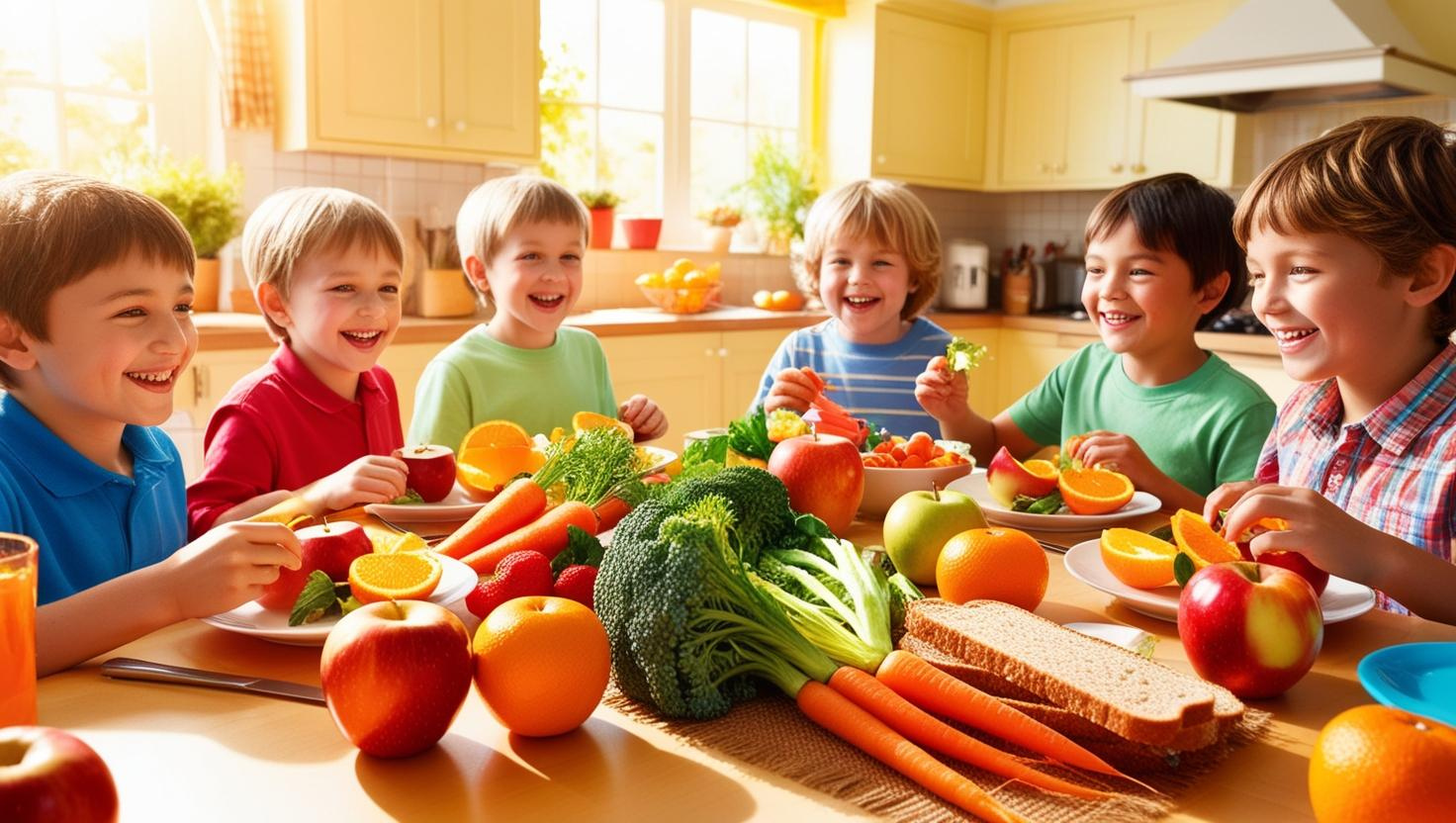
Mealtimes play an important role in shaping children’s eating habits. When families eat together in a calm and positive environment, children learn to pay attention to their food and better understand their hunger and fullness cues.
Avoid distractions such as TV, mobile phones, or tablets during meals. This helps children stay focused on eating, enjoy their food more, and develop a healthy emotional connection with mealtime. It also encourages better communication and family bonding.
6. Involve Children in Meal Preparation
When children take part in preparing healthy meals, they are more likely to try and enjoy the food they help make. This involvement builds curiosity about different foods and encourages healthier eating habits.
You can include them in simple kitchen tasks such as washing fruits and vegetables, mixing ingredients, or setting the table. Taking them grocery shopping and allowing them to choose fruits and vegetables also helps them develop better food choices and a positive interest in healthy eating.
7. Set a Good Example
Children often learn by observing the behavior of adults. If parents consistently eat healthy, balanced meals, children are more likely to follow the same habits naturally.
When you choose wholesome foods and show enjoyment while eating them, it encourages children to adopt the same positive attitude toward healthy eating. Leading by example is one of the most effective ways to build lifelong healthy eating habits in children.
8. Encourage Regular Meal Timing
Having regular meal and snack times can help children develop a consistent eating routine. A predictable schedule makes it easier for parents to offer nutritious meals and snacks throughout the day without encouraging constant grazing.
Try to keep meals and snacks reasonably consistent while still allowing children to respond to their hunger and fullness cues. A balanced routine can support steady energy levels and make healthy eating habits easier to maintain.
9. Encourage Healthy Snacking
Healthy snacks can help children get important nutrients between meals. Instead of keeping chips, candy, and other highly processed snacks as everyday options, offer nutritious choices such as fresh fruit, yogurt, vegetables, whole-grain foods, or suitable nuts.
Keep healthy snacks easily available at home and let children choose from a few nutritious options. This can help them develop better snack choices without making food feel overly restricted.
10. Teach Mindful Eating
Teaching mindful eating helps children develop a healthy and positive relationship with food. It encourages them to eat slowly, chew properly, and pay attention to the taste, texture, and smell of their meals.
When children eat mindfully, they are more likely to enjoy their food, avoid overeating, and understand their body’s hunger cues. This simple habit supports long-term healthy eating behavior and overall well-being.
Practical Tips for Developing Healthy Eating Habits in Children
Along with daily habits, a few simple strategies can make it easier for children to adopt and maintain a healthy lifestyle.
- Introduce new foods gradually: Do not force children to eat unfamiliar foods. Offer them in a relaxed and positive environment several times, as it may take time for them to accept new tastes.
- Keep healthy options available: Replace junk food with nutritious choices by keeping fruits, nuts, yogurt, and other wholesome foods easily accessible at home.
- Praise healthy choices: Encourage children by appreciating their efforts when they choose healthy foods. Positive reinforcement helps build long-term good habits.
- Avoid using food as a reward or punishment: This prevents the development of emotional eating habits and helps children maintain a balanced relationship with food.
- Educate about nutrition: Teach children the basic benefits of nutrients like fiber, vitamins, and minerals in simple and understandable language.
Common Challenges and How to Overcome Them
Picky Eating
Picky eating is very common in young children. To handle this:
- Offer a variety of healthy foods without pressure.
- Allow children to choose between two healthy options.
- Stay consistent and patient, as acceptance takes time.
Busy Schedules
Busy routines often lead families to rely on fast food between work, school, and activities. To manage this:
- Prepare meals in advance, especially on weekends.
- Keep healthy on-the-go snacks ready.
- Choose healthier options when eating out.
Healthy Eating Habits for Children at Different Ages
Toddlers (1–3 Years)
- Serve small, frequent meals throughout the day.
- Focus on nutrient-rich foods such as dairy, whole grains, cooked vegetables, and soft fruits.
Preschoolers (4–5 Years)
- Introduce new flavours and textures gradually.
- Encourage regular family meals at consistent times.
School-Age Children (6–12 Years)
- Teach children how to read basic nutrition labels.
- Encourage independence in making healthy food choices at home and school.
Teach children how to read basic nutrition labels and understand essential nutrients like iron, which support healthy growth and energy levels. You can learn more about this in Iron for Kids– Why It’s Important.
Teenagers (13–18 Years)
- Emphasize the importance of a balanced diet, especially during growth spurts.
- Support their independence while guiding healthier food decisions.
FAQs about Healthy Eating Habits for Children
Healthy eating habits include eating a balanced diet, limiting sugary foods, eating regular meals, and including fruits, vegetables, and protein in daily meals.
Healthy eating supports physical growth, brain development, strong immunity, and better focus in school.
You can encourage healthy eating by offering a variety of foods, involving children in meal preparation, and setting a good example yourself.
Children should eat fruits, vegetables, whole grains, dairy products, and healthy proteins like eggs, chicken, and beans.
Limit access to junk food at home, offer healthy alternatives, and avoid using junk food as a reward.
Children’s fluid needs vary depending on their age, activity level, weather, and individual needs. Encourage children to drink water regularly throughout the day and offer extra fluids during hot weather or physical activity. Water is generally a healthy everyday drink for children.
Healthy snacks include fruits, yogurt, nuts, vegetable sticks, and whole-grain crackers.
Offer new foods slowly, stay patient, and allow children to choose between healthy options without pressure.
Conclusion
Parents and other carers can give children a gift that will last a lifetime: the development of healthy eating habits. A healthy relationship with eating that lasts into adulthood can be fostered in your child by emphasising variety, moderation, education, and happy food experiences. Your most effective tools are patience, consistency, and setting a good example. Begin now, and see how your youngster flourishes with each healthy bite!
Start today by making one small change in your child’s daily diet — what healthy habit will you introduce first?