
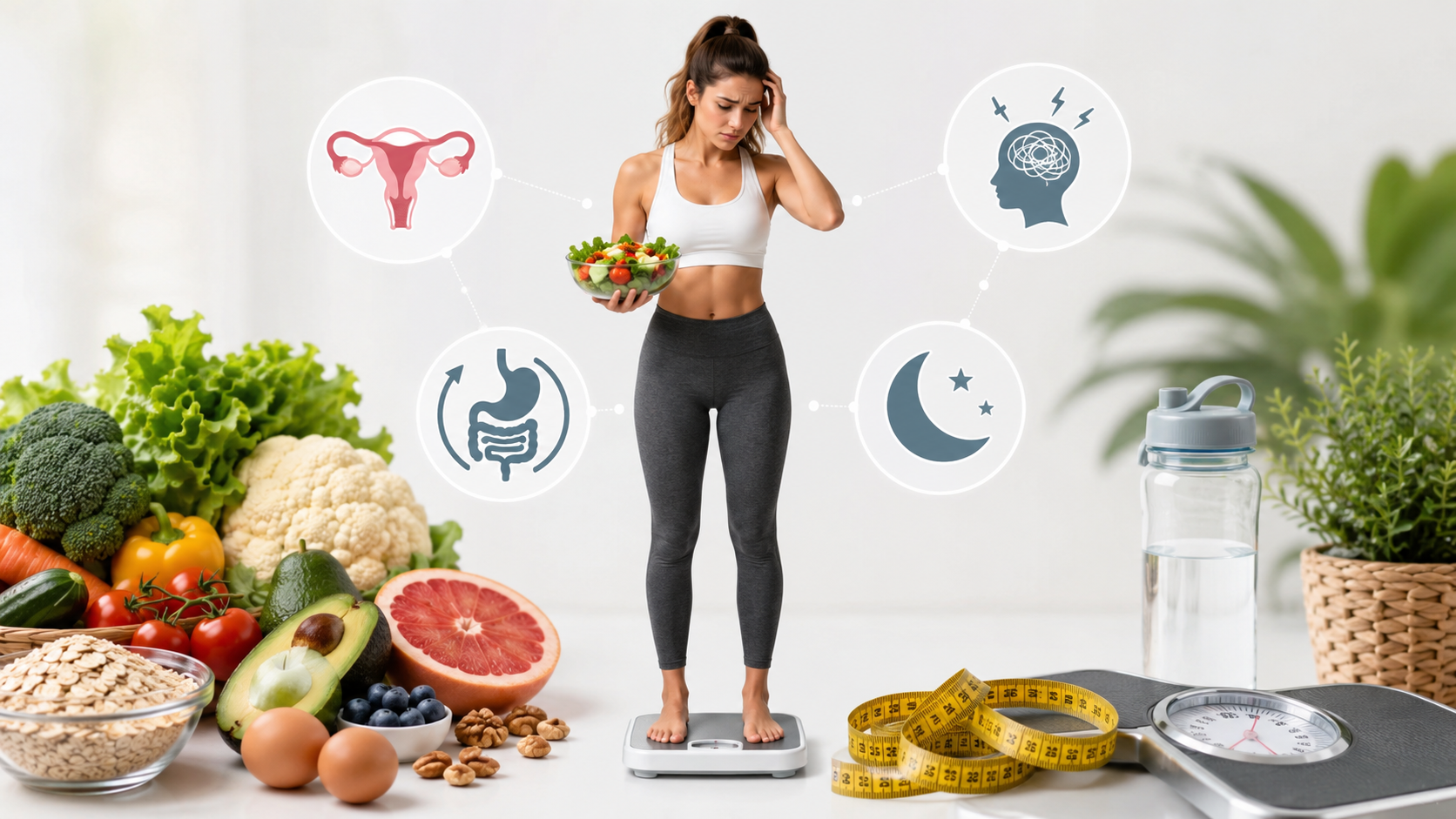
Have you ever looked at your plate and thought, “I eat healthy foods every day, so why am I gaining weight?” If so, you’re not alone.
Many people assume that simply eating healthy foods will automatically lead to weight loss or weight maintenance. While healthy eating is an important part of a healthy lifestyle, it is not the only factor that affects body weight. In fact, there are several hidden reasons why someone may experience weight gain even while following what seems like a healthy diet.
If you’ve been struggling with unexplained weight gain, it’s important to understand that the problem may not be a lack of effort. Factors such as hormones, stress, sleep quality, portion sizes, metabolism, and certain medical conditions can all influence how your body stores and burns energy.
You may also find it helpful to read our guide on Why Am I Not Losing Weight Despite Eating Less?, which explores additional factors that can affect body weight and weight loss progress.
In this article, we’ll explore the most common hidden reasons why you may be gaining weight even though you eat healthily, along with practical tips to help you get back on track.

1. You May Be Eating Healthy Foods but Consuming Too Many Calories
One of the biggest misconceptions about nutrition is that healthy foods can be eaten in unlimited amounts.
While foods such as nuts, avocados, peanut butter, olive oil, granola, dried fruit, and smoothies provide valuable nutrients, they can also be high in calories. Even healthy foods can contribute to weight gain when consumed in large portions over time.
For example, a handful of almonds is a healthy snack, but several handfuls throughout the day can add hundreds of extra calories without you realizing it. Similarly, healthy smoothies can sometimes contain more calories than a full meal when packed with nut butters, honey, seeds, and fruit.
Many people focus on food quality but overlook quantity. Even if your diet consists entirely of nutritious foods, consistently consuming more calories than your body needs may lead to gradual weight gain.
What You Can Do
- Pay attention to portion sizes.
- Use measuring cups occasionally to learn serving sizes.
- Avoid mindless snacking throughout the day.
- Focus on hunger and fullness cues.
If you’re trying to lose weight, our Simple 7-Day Diet Plan for Weight Loss Beginners may help you create a more balanced eating routine.
2. Hidden Calories: Why Am I Gaining Weight Even Though I Eat Healthy?
Many people underestimate how many calories they consume because they forget about small extras throughout the day.
These hidden calories often come from:
- Sugary coffee drinks
- Salad dressings
- Sauces and condiments
- Cooking oils
- Fruit juices
- Protein bars
- Flavored yogurt
- Healthy snacks eaten between meals
Individually, these items may seem harmless. However, when added together, they can significantly increase your daily calorie intake.
For example, adding extra olive oil during cooking, drinking specialty coffees, and snacking on energy bars can easily add several hundred calories per day without making you feel noticeably fuller.
Over time, those extra calories may contribute to weight gain even when your main meals appear healthy.
What You Can Do
- Read nutrition labels carefully.
- Track your food intake for a few days.
- Be mindful of beverages and snacks.
- Measure cooking oils instead of pouring freely.
Small adjustments can make a surprisingly large difference over time.
3. Chronic Stress: Why Am I Gaining Weight Even Though I Eat Healthy?
Stress affects much more than your mood. It can also influence your weight.
When you’re under stress, your body releases cortisol, often called the stress hormone. Elevated cortisol levels can increase appetite, trigger cravings for high-calorie foods, and encourage fat storage, particularly around the abdominal area.
Many people notice that during stressful periods they:
- Snack more often
- Crave sugary foods
- Experience emotional eating
- Feel less motivated to exercise
Stress can also interfere with digestion and overall health.
If you’re experiencing digestive discomfort along with weight concerns, you may benefit from reading our article on How to Improve Digestion Naturally: 12 Science-Backed Tips.
What You Can Do
- Practice stress-management techniques.
- Take daily walks.
- Prioritize relaxation.
- Try meditation or deep breathing exercises.
- Make time for activities you enjoy.
Reducing stress may help improve both physical and mental well-being.

4. Poor Sleep Can Disrupt Weight Management
Sleep is often overlooked when discussing weight gain.
Many people focus heavily on diet and exercise while ignoring the fact that inadequate sleep can affect hormones involved in hunger and appetite regulation.
Studies have shown that poor sleep may:
- Increase hunger levels
- Increase cravings for sugary foods
- Reduce energy levels
- Make healthy choices more difficult
- Affect metabolism
When you’re tired, your body naturally seeks quick sources of energy, which often leads to cravings for processed foods and excess snacking.
Even if you’re eating healthy meals, consistently sleeping less than recommended may make weight management more difficult.
What You Can Do
- Aim for 7–9 hours of sleep each night.
- Establish a consistent sleep schedule.
- Reduce screen time before bed.
- Avoid caffeine late in the day.
Improving sleep quality is often one of the simplest lifestyle changes that can support healthy weight management.
5. Hormonal Imbalances May Be Affecting Your Weight
Hormones play a major role in regulating body weight, appetite, metabolism, and fat storage.
When hormones become imbalanced, weight gain can occur even when eating habits remain relatively healthy.
Some common hormonal issues linked to weight gain include:
Insulin Resistance
Insulin helps regulate blood sugar levels. When the body becomes resistant to insulin, it may store more fat and make weight loss more difficult.
Thyroid Disorders
An underactive thyroid can slow metabolism and contribute to weight gain, fatigue, and low energy levels.
Cortisol Imbalances
As discussed earlier, chronically elevated cortisol levels may increase appetite and fat storage.
Menopause-Related Hormonal Changes
Women approaching menopause often notice changes in body composition and increased abdominal fat due to shifting hormone levels.
What You Can Do
- Speak with a healthcare professional if you suspect a hormonal issue.
- Get appropriate blood tests when recommended.
- Maintain a balanced diet and regular physical activity.
- Prioritize stress management and sleep.
Understanding the role hormones play in weight management can help explain why healthy eating alone doesn’t always produce the expected results.

6. PCOS Can Make Weight Loss More Challenging
For many women, weight gain isn’t simply the result of eating too much. Certain health conditions, such as Polycystic Ovary Syndrome (PCOS), can make maintaining a healthy weight much more difficult.
PCOS is a common hormonal disorder that affects women of reproductive age. It can influence how the body responds to insulin, regulate hormones, and store fat. As a result, many women with PCOS notice gradual weight gain, especially around the abdomen, even when they are trying to eat healthy meals.
Common symptoms of PCOS include:
- Weight gain or difficulty losing weight
- Irregular menstrual periods
- Acne
- Excess facial or body hair
- Fatigue
- Insulin resistance
Many women become frustrated because they believe they are doing everything correctly, but still struggle to see progress on the scale.
If you have PCOS, weight management usually requires more than simply reducing calories. A balanced diet rich in protein, fiber, healthy fats, and whole grains, combined with regular physical activity and guidance from a healthcare professional, may help improve long-term results.
If this sounds familiar, you may also enjoy reading our detailed guide on Why Women with PCOS Struggle to Lose Weight (Even After Dieting).
What You Can Do
- Choose high-fiber carbohydrates.
- Include protein with every meal.
- Stay physically active.
- Get adequate sleep.
- Consult your healthcare provider for personalized treatment options.
7. Your Metabolism May Be Slower Than You Think
Many people blame a “slow metabolism” for weight gain, but metabolism is much more complex than most people realize.
Your metabolism refers to the processes your body uses to convert food into energy. Several factors can influence metabolic rate, including:
- Age
- Gender
- Muscle mass
- Physical activity
- Hormones
- Genetics
As we age, metabolism naturally slows down to some extent. In addition, losing muscle mass can reduce the number of calories your body burns throughout the day.
Crash dieting may also temporarily slow metabolism because the body tries to conserve energy when calorie intake becomes too low.
However, it’s important to remember that metabolism is only one piece of the puzzle. Most people experience weight gain because several lifestyle factors work together rather than one single cause.
Ways to Support a Healthy Metabolism
- Strength train at least two to three times per week.
- Eat enough protein throughout the day.
- Avoid extremely restrictive diets.
- Stay active beyond formal workouts by walking regularly and reducing long periods of sitting.
8. You May Not Be Eating Enough Protein
Protein is one of the most important nutrients for maintaining a healthy weight.
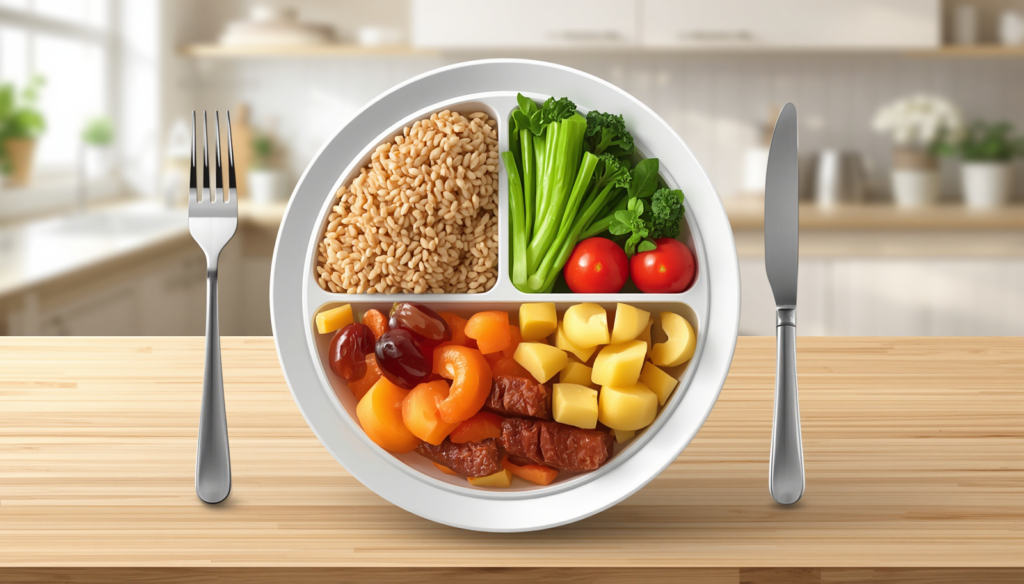
Many people focus mainly on eating fruits and vegetables, but forget to include enough protein in their meals. Without adequate protein, you may feel hungry more often, snack frequently, and lose muscle mass while dieting.
Protein supports weight management by:
- Helping you feel fuller for longer
- Supporting muscle maintenance
- Increasing the calories your body burns during digestion
- Reducing unnecessary snacking
Good sources of protein include:
- Eggs
- Chicken
- Fish
- Greek yogurt
- Cottage cheese
- Lentils
- Beans
- Tofu
- Lean meat
Pairing protein with high-fiber foods can help create balanced meals that keep you satisfied for longer.
If you often struggle with constant hunger, our article on How to Reduce Hunger During Weight Loss Naturally provides additional practical strategies.
What You Can Do
Aim to include a quality source of protein at breakfast, lunch, dinner, and even healthy snacks whenever possible.
9. Water Retention Can Make It Look Like You’re Gaining Fat
Not all weight gain is actually body fat.
Sometimes the number on the scale increases because your body is temporarily holding extra water. This is known as water retention.
Water retention may occur because of:
- Eating high-sodium foods
- Hormonal changes
- Certain medications
- Poor hydration
- Long periods of sitting
- Menstrual cycle fluctuations
For many women, body weight can naturally fluctuate by several pounds over the course of a month due to hormonal changes alone.
This temporary increase can be discouraging, but it doesn’t necessarily mean you’ve gained body fat.
Ways to Reduce Water Retention
- Stay properly hydrated.
- Limit highly processed, salty foods.
- Eat potassium-rich foods like bananas and spinach.
- Stay physically active.
- Get enough sleep.
Instead of weighing yourself multiple times a day, consider tracking long-term trends over several weeks.
10. Certain Medical Conditions and Medications May Contribute to Weight Gain
Sometimes, healthy eating isn’t enough because an underlying medical condition or medication may be affecting your weight.
Some medical conditions associated with weight gain include:
- Hypothyroidism
- PCOS
- Cushing’s syndrome
- Depression
- Insulin resistance
In addition, certain medications may increase appetite or change how the body stores fat, including some:
- Antidepressants
- Steroids
- Diabetes medications
- Birth control methods (for some individuals)
- Certain blood pressure medications
Never stop taking prescribed medication without first speaking with your healthcare provider.
If you’ve experienced rapid or unexplained weight gain despite maintaining healthy habits, it’s a good idea to schedule a medical evaluation.
When Should You See a Doctor for Weight Gain Even Though You Eat Healthy?
Consider speaking with a healthcare professional if:
- You’ve gained weight rapidly without changing your lifestyle.
- You’re constantly tired.
- You notice swelling, hormonal symptoms, or irregular periods.
- You’re unable to lose weight despite consistent healthy habits for several months.
Early diagnosis can help identify any underlying health conditions and ensure you receive the most appropriate treatment.
Healthy Habits That Can Support Long-Term Weight Management
Although hidden factors can contribute to weight gain, several daily habits may improve your overall health and support healthy weight management over time.
These include:
- Eating balanced meals instead of skipping meals
- Prioritizing high-protein foods
- Drinking enough water each day
- Getting 7–9 hours of quality sleep
- Managing stress effectively
- Walking regularly and staying physically active
- Strength training to maintain muscle mass
- Improving digestion through a fiber-rich diet
If you’re walking consistently but still not seeing results, you may also find our article Why Am I Not Losing Weight Even After Walking Daily? Hidden Reasons Explained is helpful.
Likewise, if belly fat remains stubborn despite your efforts, don’t miss Why Belly Fat Is Not Reducing Even After Dieting? 10 Hidden Reasons Explained, where we discuss additional lifestyle and health factors that may be slowing your progress.
Frequently Asked Questions About Why Am I Gaining Weight Even Though I Eat Healthy (FAQs)
1. Why am I gaining weight even though I eat healthy every day?
Eating healthy is important, but it’s only one part of maintaining a healthy weight. Weight gain can also result from consuming too many calories, hormonal imbalances, stress, poor sleep, lack of physical activity, certain medications, or medical conditions such as PCOS or hypothyroidism.
2. Can eating too much healthy food cause weight gain?
Yes. Even nutritious foods contain calories. Frequently eating large portions of foods like nuts, avocados, nut butters, dried fruits, smoothies, and healthy snacks can create a calorie surplus, which may lead to gradual weight gain over time.
3. Why am I exercising and eating healthy but still gaining weight?
There are several possible reasons. You may be building muscle, retaining water, experiencing hormonal changes, dealing with stress, sleeping poorly, or consuming more calories than you realize. If weight gain continues despite consistent healthy habits, consider speaking with a healthcare professional.
4. Can stress really make you gain weight?
Yes. Chronic stress increases cortisol levels, which may increase appetite, encourage emotional eating, and promote fat storage—especially around the abdominal area. Managing stress is an important part of overall health and weight management.
5. Does poor sleep affect body weight?
Yes. Poor sleep can disrupt hormones that regulate hunger and fullness, making you feel hungrier and crave high-calorie foods. Getting 7–9 hours of quality sleep each night can support healthy weight management.
6. Can PCOS cause weight gain even with a healthy diet?
Yes. Many women with PCOS experience insulin resistance and hormonal changes that make losing weight more difficult. While healthy eating and regular exercise are beneficial, some women may also require medical guidance to manage their symptoms effectively.
7. How can I tell if my weight gain is caused by a medical condition?
If you experience rapid or unexplained weight gain, persistent fatigue, irregular menstrual cycles, swelling, hair loss, or other unusual symptoms, it’s a good idea to consult a healthcare professional. They can recommend appropriate tests to identify any underlying health conditions.
8. What is the best way to stop gaining weight?
The most effective approach is to look at your overall lifestyle rather than focusing on one factor alone. Eating balanced meals, controlling portion sizes, staying physically active, getting enough sleep, managing stress, and addressing any underlying medical conditions can all help support healthy weight management.
Conclusion: Why Am I Gaining Weight Even Though I Eat Healthy?
If you’ve been wondering, “Why am I gaining weight even though I eat healthy?”, remember that healthy eating is only one piece of the puzzle. Your body weight is influenced by many different factors, including portion sizes, hidden calories, stress, sleep quality, hormones, metabolism, medical conditions, and daily habits.
Instead of blaming yourself, try to identify which hidden factors may be affecting your progress. Small, consistent lifestyle changes often lead to better long-term results than extreme diets or quick fixes.
Most importantly, don’t become discouraged if the scale isn’t moving as quickly as you’d hoped. Sustainable weight management is a journey, and understanding the root cause of weight gain is the first step toward making meaningful progress.
Call to Action
Have you ever experienced weight gain even though you were eating healthy?
Share your experience or questions in the comments below. We’d love to hear your story and help you find practical, science-backed solutions.
If you found this guide helpful, consider sharing it with your friends or family who may also be struggling with unexplained weight gain. Explore more expert-backed health, nutrition, and fitness articles on FitFusionBlogs to support your wellness journey.