
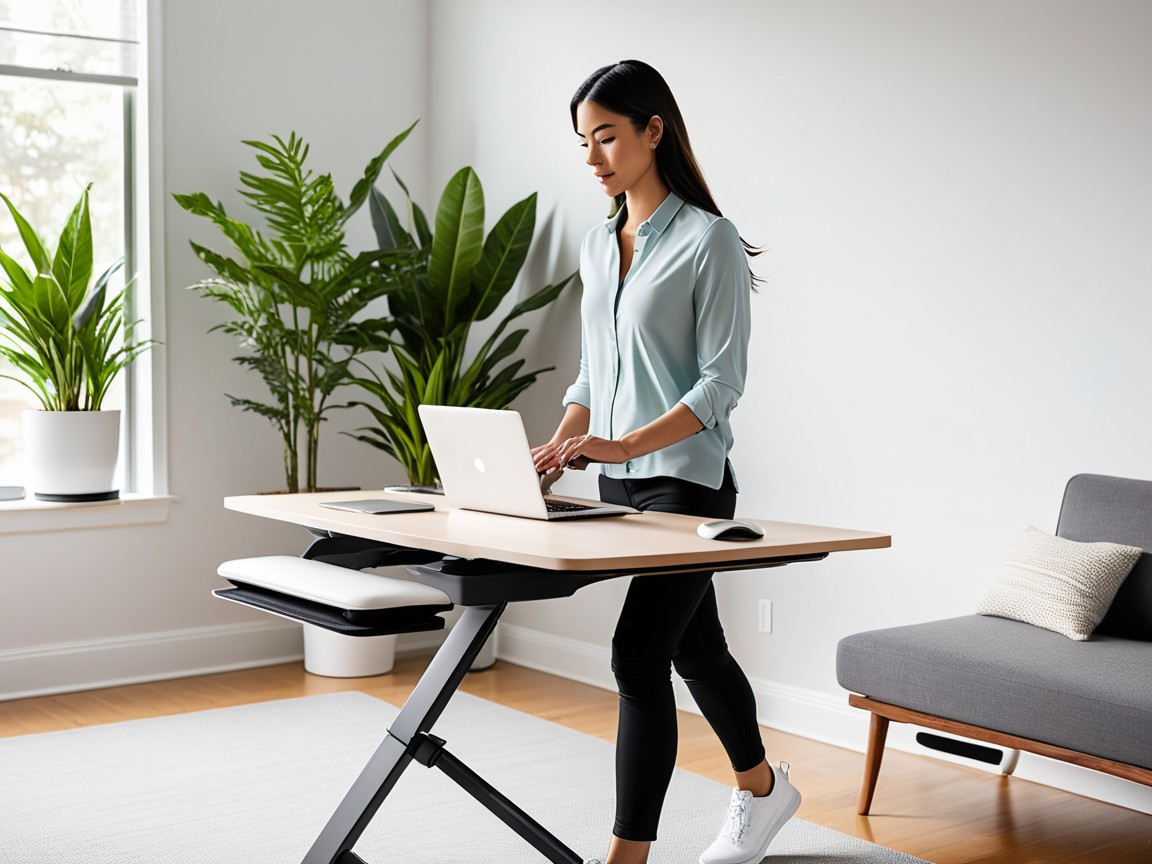
Introduction: Why Consider a Walking Pad in 2026?
Walking pad benefits include making daily movement more convenient, reducing time spent sitting, and helping you stay active indoors. If you work from home, have limited space, or find it difficult to fit outdoor walks into your schedule, a walking pad may be a practical addition to your routine.
Unlike traditional treadmills, many walking pads feature a compact design intended primarily for walking. Some models can fit beneath a standing desk, while others are designed for walking during leisure time. Their features, speed settings, and storage requirements vary by model.
However, buying exercise equipment is only one part of building a healthier lifestyle. Regular movement, sufficient rest, balanced nutrition, and consistency all matter. This guide explains how walking pads work, their potential benefits, how to choose a suitable model, and how to use one safely.
What Is a Walking Pad?
A walking pad is a motorized walking machine with a moving belt. It is generally designed for indoor walking and often has a lower profile than a conventional treadmill. Depending on the model, it may be suitable for use beneath a standing desk or in a small home workout area.
Some walking pads have folding frames, transport wheels, remote controls, digital displays, or app connectivity. Others have simpler designs with fewer features.
Before purchasing one, remember that not every walking pad is suitable for jogging or running. Check the manufacturer’s specifications to understand the intended use, maximum speed, user weight limit, and safety features.
7 Walking Pad Benefits Worth Knowing
1. Helps You Add More Movement to Your Day
Long periods of sitting can make it difficult to achieve enough daily physical activity. A walking pad offers a convenient way to introduce movement into your indoor routine.
For example, you might use it for a short walk before work, during a break, or while watching television. Several short sessions can be easier to fit into a busy schedule than one long workout.
The goal is not to walk constantly. Instead, use the equipment to create opportunities for regular movement throughout the day.
2. Makes Indoor Walking More Convenient
Weather, limited daylight, household responsibilities, or a busy work schedule can sometimes interfere with outdoor exercise.
A walking pad allows you to walk indoors without needing to travel to a gym or find an outdoor route. This can be particularly useful when outdoor conditions are uncomfortable or when you prefer exercising at home.
Although indoor walking is convenient, outdoor walks can also provide fresh air and a change of scenery. You can choose either option depending on your circumstances.
3. Supports General Fitness
Walking is a form of physical activity that can contribute to cardiovascular fitness and endurance. Using a walking pad regularly may help you establish a consistent walking habit.
Your results depend on factors such as walking speed, session duration, frequency, and current fitness level. A slow walk may be appropriate for beginners, while a brisker pace can provide a greater challenge for people who are ready for it.
For general health, adults are commonly advised to aim for at least 150 minutes of moderate-intensity aerobic activity per week, alongside muscle-strengthening activities on two or more days. Start at a level appropriate for you and build gradually.
4. May Help Reduce Prolonged Sitting
People who work at desks can spend several hours sitting without noticing how little they move. A walking pad can provide an alternative during suitable periods of the workday.
You might walk slowly while listening to a meeting or completing a simple task. However, walking is not appropriate for every activity. Tasks requiring precise movements, intense concentration, or careful coordination are usually better completed while standing still or sitting.
You can also alternate between sitting, standing, and walking instead of relying on one position for the entire day.
5. Can Support Weight Management
Walking uses energy, and regular physical activity can contribute to weight management. However, a walking pad does not guarantee weight loss or a particular body shape.
Results depend on your overall activity, eating habits, sleep, and individual circumstances. The calorie estimates displayed by exercise equipment are also approximations rather than exact measurements.
If your goal is weight management, focus on sustainable habits rather than trying to burn a specific number of calories in every session.
6. Fits Many Home Exercise Routines
A walking pad can complement other forms of exercise, including bodyweight movements, resistance training, and stretching.
It is particularly useful for people who want an additional indoor walking option without purchasing a large treadmill. However, it does not replace every type of exercise. Strength training and other aerobic activities can provide benefits that walking alone may not fully address.
For more ideas, explore our guide to home workouts without equipment.
7. May Make Exercise Easier to Maintain
Convenience can make it easier to repeat a healthy habit. When your equipment is accessible and your sessions fit your schedule, you may find it easier to keep moving regularly.
Start with a realistic goal rather than planning long sessions immediately. For example, begin with five to ten minutes if that feels manageable, then gradually increase your duration as your comfort and fitness improve.
For additional guidance, read our guide to building a sustainable fitness routine in 2026.
Walking Pad vs. Traditional Treadmill
Both machines support indoor walking, but they may suit different needs.
| Feature | Walking Pad | Traditional Treadmill |
|---|---|---|
| Design | Often compact and low-profile | Usually larger |
| Main purpose | Primarily walking | Walking and, depending on the model, jogging or running |
| Storage | Some models fold or slide under furniture | Some models fold, while others remain full-sized |
| Handrails | May be absent or model-dependent | Common on many models |
| Speed range | Often designed for slower walking speeds | Frequently offers a wider speed range |
| Space requirements | Often suitable for smaller rooms | Usually requires more space |
Neither option is automatically better for everyone. A walking pad may suit someone who wants simple indoor walking, while a traditional treadmill may be more appropriate for running or higher-intensity workouts.
Compare the specifications and safety features before making a decision.
How to Choose the Right Walking Pad in 2026
The best choice is one that fits your space, intended use, comfort needs, and budget. Consider these factors before buying.
1. Check the Walking Surface
The belt should provide enough room for your natural stride. A short or narrow walking surface may feel restrictive, particularly if you are taller or prefer a brisk walking pace.
Check the belt’s length and width in the product specifications. Do not rely on product photographs alone to judge its size.
2. Review the Maximum Speed
Choose a model whose speed range matches your intended activity. If you want to walk slowly while working, make sure the machine supports a suitably low starting speed.
If you want to jog or run, look for equipment explicitly designed for that purpose rather than assuming a walking pad can handle higher-intensity exercise.
3. Confirm the Weight Capacity
Every machine has a maximum user weight specified by its manufacturer. Check this limit before purchasing and follow the product’s instructions.
Choosing equipment that suits the intended user helps ensure appropriate operation and avoids exceeding the manufacturer’s stated limits.
4. Measure Your Available Space
Measure the area where you plan to use the walking pad, including the space needed around it. If you intend to store it beneath a bed or sofa, check its stored dimensions and the available clearance.
Also consider the machine’s weight and whether you can move it safely. A model that is convenient to store is more practical if you need to clear your room after every session.
5. Consider Noise Levels
Motor noise and floor vibration vary between models. If you live in an apartment or share your home with other people, check any available noise information and user reviews.
A suitable exercise mat may help reduce vibration, provided the manufacturer permits its use. It should not interfere with the machine’s stability or ventilation.
6. Look for Useful Safety Features
Depending on the model, useful features may include an emergency stop, safety key, accessible controls, or handrails.
A remote control can make speed adjustments convenient, but you should understand how to stop the machine quickly before beginning your session. Follow the manufacturer’s setup and operating instructions.
7. Compare Warranty and Maintenance Requirements
Check the warranty period, return policy, availability of replacement parts, and customer support options. Read the maintenance instructions to understand whether the belt requires lubrication and how often the machine should be inspected.
A low purchase price does not necessarily mean better value if the product lacks suitable support or does not meet your needs.
For more equipment comparisons, visit our fitness gear and reviews guide for 2026.
Affiliate Disclosure: This article contains affiliate links. As an Amazon Associate, I earn from qualifying purchases. If you buy through these links, I may earn a commission at no additional cost to you.
Top Walking Pads to Consider in 2026
When comparing walking pads, consider your available space, preferred walking speed, weight capacity, safety features, and warranty. The following product options should be evaluated against your needs and the manufacturer’s specifications before purchasing.
1. WalkingPad C2
Explore this compact model if storage space is an important consideration. Check its current dimensions, user weight limit, and warranty before deciding whether it suits your home.
Check the current price on Amazon
2. UREVO Under-Desk Walking Pad
Consider this category if you want to walk while using a standing desk. Verify the exact model, speed range, and whether it is designed for walking only or additional activities.
Check the current price on Amazon
3. GoPlus Under-Desk Treadmill
Compare the available model’s walking surface, controls, storage requirements, and safety features with other options before purchasing.
Check the current price on Amazon
Product specifications, availability, and prices can change. Check the current Amazon listing and manufacturer’s information before buying.
How to Use a Walking Pad Safely
Start at a Comfortable Speed
Place the walking pad on a stable, level surface and follow the setup instructions. Start at a slow speed that allows you to walk naturally without feeling unsteady.
Increase the speed gradually only when you feel comfortable. There is no need to match another person’s pace.
Wear Suitable Walking Shoes
Wear comfortable, well-fitting shoes that provide appropriate support. Avoid loose footwear, slippers, or walking barefoot unless the manufacturer explicitly recommends otherwise.
Our guide to the best walking shoes for women in 2026 offers further guidance on choosing suitable footwear.
Maintain a Natural Walking Posture
Keep your gaze forward rather than constantly looking down at your feet. Use a natural stride and avoid leaning heavily on a desk or other furniture for balance.
If you use a standing desk, adjust its height so that your arms and wrists remain comfortable while working.
Take Breaks and Increase Gradually
If you are new to exercise, begin with short sessions and allow your body time to adapt. Increase duration and intensity gradually instead of making sudden changes.
Stop if you experience pain, dizziness, unusual shortness of breath, or difficulty maintaining your balance. Seek medical advice if symptoms persist or are concerning.
Keep the Area Clear
Keep children, pets, loose cables, and other obstacles away from the moving belt. Never step onto a moving belt before you are ready, and do not leave the machine running unattended.
Use any required safety key or emergency stop mechanism as directed by the manufacturer.
Common Walking Pad Mistakes to Avoid
Choosing a machine based on price alone: Compare the walking surface, capacity, warranty, and safety features before deciding.
Walking too fast too soon: Begin at a manageable pace and increase it gradually.
Ignoring discomfort: Pain in your feet, shins, knees, hips, or back is a reason to stop and reassess your activity.
Working on demanding tasks while walking: Complex tasks may become more difficult when you are moving. Prioritize safety and concentration.
Skipping maintenance: Follow the manufacturer’s cleaning, lubrication, and inspection instructions.
Expecting immediate results: Changes in fitness and activity habits take time. Consistency matters more than occasional long sessions.
Frequently Asked Questions About Walking Pads
1. What are the main benefits of a walking pad?
A walking pad can help you add indoor movement, reduce prolonged sitting, support general fitness, and make walking more convenient when outdoor exercise is difficult.
2. Can a walking pad help with weight loss?
It can contribute to energy expenditure and support weight management when combined with sustainable eating habits and regular physical activity. Results vary, and weight loss is not guaranteed.
3. How long should a beginner use a walking pad?
There is no single duration suitable for everyone. Beginners can start with five to ten minutes if comfortable and gradually increase their walking time. Adjust your routine to your fitness level and how you feel.
4. Can I use a walking pad while working?
Yes, some people use walking pads with a suitable standing desk while listening to meetings or completing simple tasks. Avoid walking during tasks that require intense concentration or precise coordination.
5. Can I run on a walking pad?
Most walking pads are designed primarily for walking. Some models support additional activities, but you should only jog or run if the manufacturer explicitly states that the machine is suitable for it.
6. Are walking pads suitable for small homes?
Many models have compact designs, and some can be folded or stored beneath furniture. Measure the equipment and available space before buying, and allow sufficient room for safe use.
7. Do I need special shoes for a walking pad?
You generally need comfortable, well-fitting walking shoes with appropriate support. Follow the manufacturer’s footwear guidance and choose shoes suitable for your feet and walking needs.
8. Is a walking pad enough for a complete fitness routine?
Not necessarily. Walking can support cardiovascular activity, but a balanced routine may also include strength training, mobility work, and other activities suited to your goals.
Conclusion: Is a Walking Pad Worth It?
A walking pad can be a useful investment if you want a convenient way to move more at home, reduce long periods of sitting, or fit indoor walking into a busy schedule. Its value depends on whether it meets your needs, fits your available space, and feels comfortable and safe to use.
Before buying, compare the walking surface, speed range, weight capacity, safety features, storage dimensions, and warranty. Start slowly, build a consistent routine, and combine walking with other forms of physical activity for a more balanced approach to fitness.
Ready to take the next step? Explore our fitness gear and reviews guide for 2026 to learn more about exercise equipment and choose options that suit your lifestyle. Start with a manageable walking goal and build a routine you can maintain over time.
Disclaimer: This article is for general informational purposes only and does not replace professional medical advice. Consult a qualified healthcare professional if you have a health condition, balance concerns, an injury, or questions about starting a new exercise routine.