
Introduction
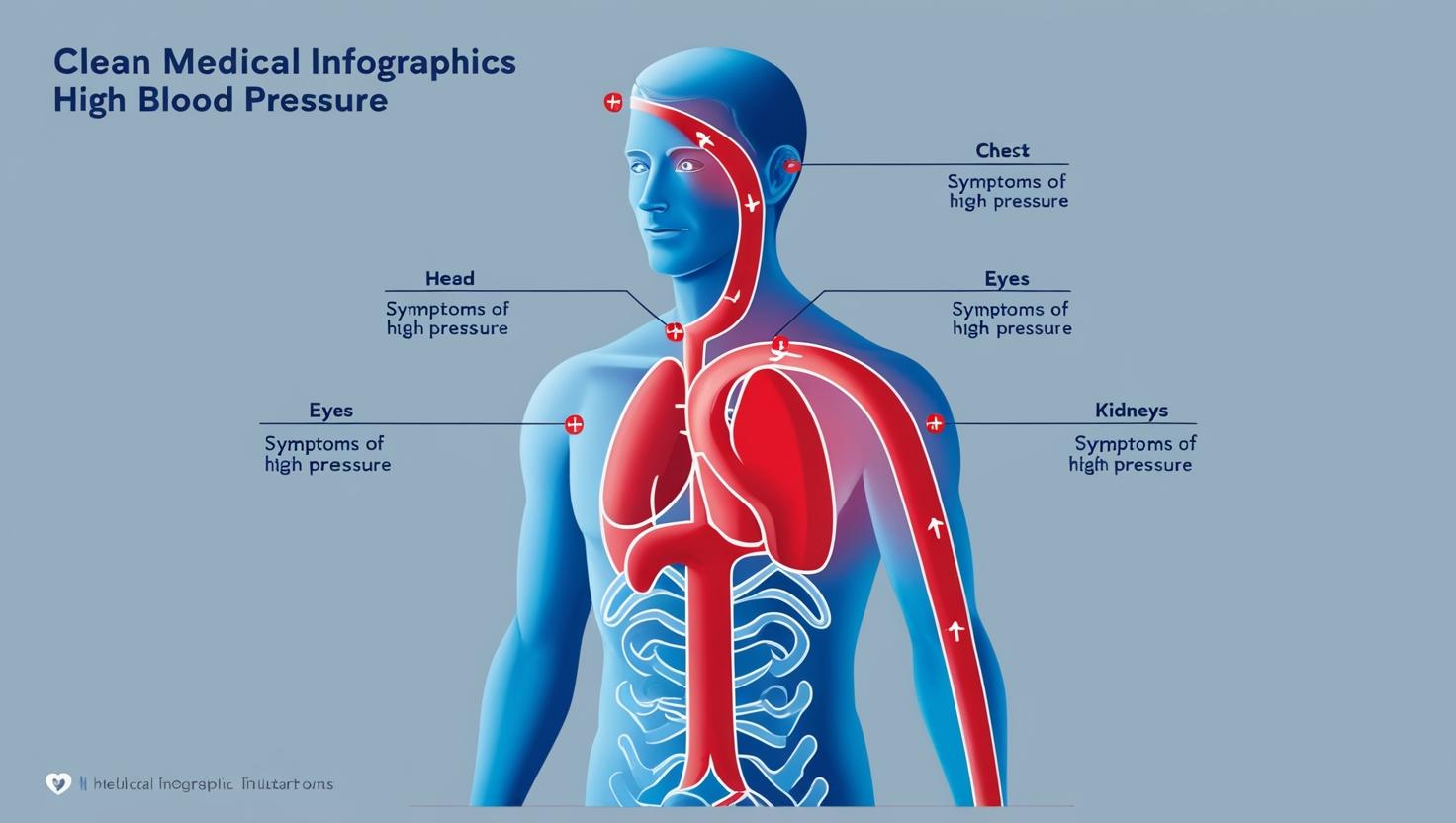
Symptoms of high blood pressure are often silent—but the damage they cause is not. Known as the “silent killer,” hypertension can quietly harm your heart, brain, and kidneys for years without showing clear warning signs. Many people live with high blood pressure unknowingly until serious complications like heart disease or stroke appear.
What makes this condition dangerous is how easily it goes unnoticed. However, your body often gives subtle signals that should never be ignored. Understanding these early warning signs can help you take action before it’s too late. Since high blood pressure is closely linked with cholesterol levels, it’s also important to learn how to lower cholesterol naturally without medication to support better heart health.
In this article, we’ll explore the top 10 symptoms of high blood pressure and answer common questions so you can stay informed, aware, and protected.
1. Severe or Persistent Headaches
High blood pressure often causes no noticeable symptoms, so a headache alone does not necessarily mean that your blood pressure is high. However, a severe or unusual headache, particularly when blood pressure is extremely high, may occur and should not be ignored.
Because headaches can have many different causes, frequent or severe headaches should be discussed with a healthcare professional. If a sudden, severe headache occurs along with vision changes, confusion, weakness, difficulty speaking, chest pain, or trouble breathing, seek urgent medical attention.
2. Vision Changes and High Blood Pressure
High blood pressure can damage the small blood vessels in the eyes over time. This condition, known as hypertensive retinopathy, may cause vision changes, including blurred or distorted vision, particularly when blood pressure is severely elevated or remains uncontrolled for a long time.
However, blurred vision can have many other causes and does not necessarily mean that your blood pressure is high. If you experience sudden vision changes, loss of vision, or blurred vision along with a severe headache, weakness, confusion, chest pain, or difficulty breathing, seek urgent medical attention.
If your vision changes gradually or repeatedly, arrange an eye examination and discuss your symptoms with a healthcare professional. Checking your blood pressure can also help determine whether hypertension may be contributing to the problem.
You can also learn more about low blood pressure symptoms in women to understand how symptoms can differ.
3. Shortness of Breath
Shortness of breath is not usually a direct symptom of high blood pressure. However, severely elevated or long-term uncontrolled blood pressure can put extra strain on the heart and may contribute to heart problems that cause breathing difficulties.
If you experience shortness of breath with chest pain, severe weakness, fainting, confusion, or sudden vision changes, seek urgent medical attention. Persistent or unexplained breathing difficulties should also be evaluated by a healthcare professional because they can have many possible causes.
4. Nosebleeds and High Blood Pressure
Most nosebleeds are caused by factors such as dry air, irritation, allergies, nose picking, or minor injury and are not usually a direct sign of high blood pressure. However, very high blood pressure may sometimes be associated with nosebleeds, particularly when the bleeding is severe or difficult to control.
If you experience frequent, heavy, or prolonged nosebleeds, especially along with severe headache, vision changes, chest pain, confusion, or difficulty breathing, seek medical attention. Checking your blood pressure can also be helpful, particularly if you have other risk factors for hypertension.5. Fatigue and Confusion
The inability of the brain to receive enough blood flow due to hypertension might cause mental haze, exhaustion, or disorientation. These symptoms, which can resemble early indicators of stroke, are particularly worrisome in older persons. Your blood pressure may be the cause of your constant fatigue or difficulty focusing, rather than just stress.
5. Fatigue and Confusion
Fatigue and confusion are not usually direct symptoms of high blood pressure and can have many possible causes, including poor sleep, dehydration, stress, infections, medications, and other health conditions. However, confusion or unusual tiredness may occur when blood pressure becomes severely elevated or when hypertension contributes to serious complications.
If you experience sudden confusion, extreme weakness, difficulty speaking, loss of coordination, severe headache, vision changes, chest pain, or difficulty breathing, seek urgent medical attention. Persistent or unexplained fatigue should also be discussed with a healthcare professional to determine the underlying cause.
6. Irregular Heartbeat or Palpitations
High blood pressure can place extra strain on the heart over time and may increase the risk of certain heart-related problems. However, an irregular heartbeat or palpitations does not necessarily mean that you have high blood pressure. Palpitations can have many possible causes, including stress, anxiety, caffeine, certain medications, dehydration, and heart rhythm problems.
If you frequently experience a racing, pounding, fluttering, or irregular heartbeat, especially while at rest, talk with a healthcare professional for proper evaluation. Seek urgent medical attention if palpitations occur with chest pain, severe shortness of breath, fainting, or severe dizziness.
Maintaining a heart-healthy lifestyle, including a balanced diet, regular physical activity, adequate sleep, and limiting excess sodium, can support overall cardiovascular health. You can also explore heart-healthy recipes for seniors for nutritious meal ideas.
7. Chest Pain
Chest pain or pressure should never be ignored, especially when it is sudden, severe, or accompanied by other concerning symptoms. High blood pressure can increase the risk of heart disease over time, but chest pain is not usually a direct symptom of high blood pressure.
Chest pain may have many possible causes, including heart-related conditions, lung problems, digestive issues, or muscle strain. However, if you experience sudden or severe chest pain or pressure, particularly with shortness of breath, sweating, nausea, fainting, or pain spreading to the arm, back, neck, or jaw, seek emergency medical attention immediately.
8. Blood in Urine
Blood in the urine, known as hematuria, is not usually a direct symptom of high blood pressure. However, long-term uncontrolled high blood pressure can damage the kidneys and affect their ability to function properly.
Blood in the urine can have many possible causes, including urinary tract infections, kidney stones, kidney disease, certain medications, or other urinary tract conditions. If you notice blood in your urine, it is important to have it evaluated by a healthcare professional rather than assuming it is caused by high blood pressure.
If blood in the urine occurs with severe pain, fever, difficulty urinating, or significant bleeding, seek medical attention promptly.
9. Pounding or Pulsating Sensation in the Chest, Neck, or Ears
A noticeable pounding or pulsating sensation in the chest, neck, or ears can have several possible causes. High blood pressure does not usually cause this sensation directly, although severely elevated blood pressure or other cardiovascular conditions may sometimes be associated with palpitations or a stronger awareness of your heartbeat.
Pounding or pulsating sensations can also occur because of stress, anxiety, caffeine, certain medications, dehydration, or heart rhythm problems. If the sensation is frequent, persistent, or occurs with chest pain, fainting, severe dizziness, shortness of breath, or weakness, seek medical attention promptly.
10. Dizziness or Lightheadedness
Dizziness is not usually a direct symptom of high blood pressure and can occur for many reasons, including dehydration, low blood pressure, medication side effects, inner-ear problems, or other health conditions.
However, sudden dizziness or loss of balance may be concerning when it occurs together with other symptoms of a serious medical problem. If you experience sudden dizziness along with weakness, confusion, difficulty speaking, vision changes, severe headache, chest pain, or difficulty breathing, seek urgent medical attention.
If dizziness happens repeatedly, checking your blood pressure and discussing the symptom with a healthcare professional can help identify the underlying cause.
When to Seek Emergency Help
High blood pressure often causes no noticeable symptoms. However, very high blood pressure accompanied by symptoms such as chest pain, severe shortness of breath, sudden vision changes, confusion, weakness, difficulty speaking, or a severe headache requires immediate medical attention.
Seek emergency care if you experience:
- Chest pain or pressure
- Severe difficulty breathing
- Sudden vision loss or significant vision changes
- Sudden weakness or numbness
- Difficulty speaking or understanding speech
- Severe or sudden headache, especially with neurological symptoms
- Confusion, fainting, or loss of consciousness
These symptoms can be associated with a medical emergency and should not be ignored.
Symptoms of High Blood Pressure You Should Never Ignore: FAQ
Q1: Can you feel high blood pressure?
Usually, no. High blood pressure often has no noticeable symptoms, which is why regular blood pressure checks are important. Symptoms are more likely to occur when blood pressure becomes severely elevated or causes complications.
Q2: When should I see a doctor for high blood pressure symptoms?
Seek urgent medical attention if you have very high blood pressure together with symptoms such as chest pain, severe difficulty breathing, sudden vision changes, confusion, weakness, difficulty speaking, or a severe headache. For persistent or unexplained symptoms, arrange an evaluation with a healthcare professional.
Q3: Can lifestyle changes help control high blood pressure?
Yes. Lifestyle measures such as reducing excess sodium, eating a balanced diet, staying physically active, maintaining a healthy weight, limiting alcohol, avoiding tobacco, managing stress, and getting adequate sleep can support healthy blood pressure. Some people also need medication prescribed by a healthcare professional.
Q4: Are the symptoms of high blood pressure different in men and women?
High blood pressure often has no symptoms in either men or women. When symptoms occur because blood pressure is severely elevated or complications develop, they can vary from person to person. It is better to rely on regular blood pressure measurements rather than symptoms alone.
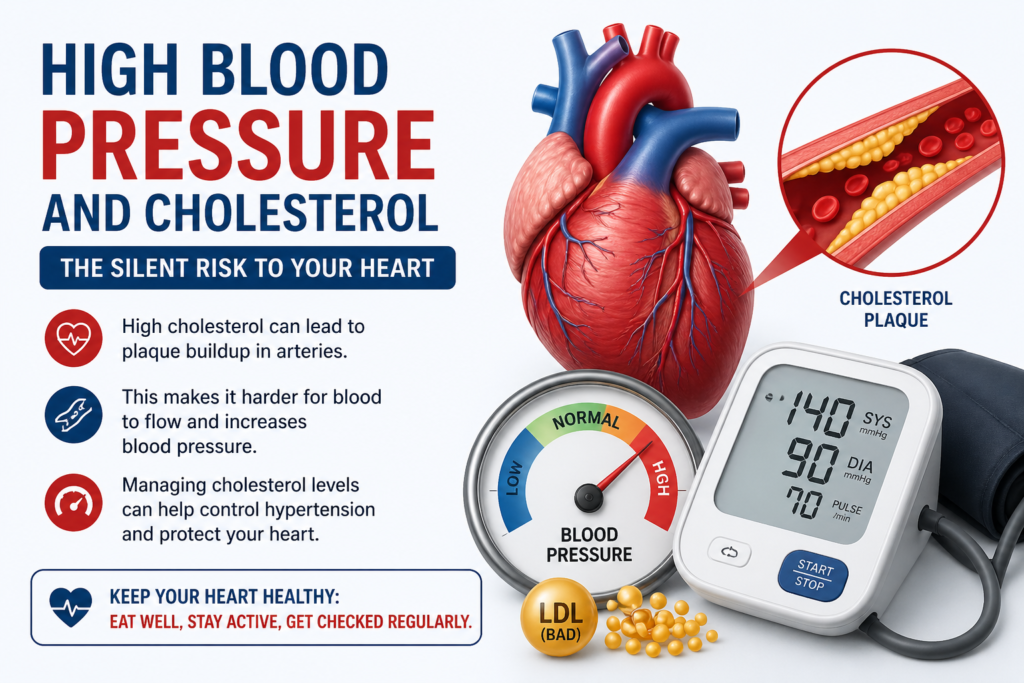
Q5: Is high blood pressure related to cholesterol?
High blood pressure and high cholesterol are both important risk factors for cardiovascular disease. Having both can increase the overall risk of heart and blood-vessel problems. Managing blood pressure and cholesterol through lifestyle changes and, when appropriate, medical treatment can help protect long-term heart health.
You can also learn more about signs of high cholesterol to understand cholesterol-related health risks.
Medical Disclaimer
This article is for general informational and educational purposes only and is not a substitute for professional medical advice, diagnosis, or treatment. High blood pressure may cause no noticeable symptoms, and symptoms such as headache, dizziness, or blurred vision can have many different causes. Always consult a qualified healthcare professional for personal medical advice or concerns about your blood pressure or symptoms.
If you experience severe or sudden symptoms such as chest pain, difficulty breathing, sudden weakness, confusion, or significant vision changes, seek emergency medical care.
Conclusion
High blood pressure is often called a “silent” condition because it may cause no noticeable symptoms. That is why relying on headaches, dizziness, or other symptoms alone is not a reliable way to know whether your blood pressure is elevated.
When blood pressure becomes severely high or contributes to complications, symptoms such as chest pain, severe difficulty breathing, sudden vision changes, confusion, weakness, or a severe headache may require urgent medical attention.
Regular blood pressure checks, a heart-healthy diet, physical activity, stress management, and appropriate medical care can help reduce the risk of complications. If you have persistent or concerning symptoms, speak with a qualified healthcare professional rather than trying to determine the cause from symptoms alone.
You can also explore how to lower cholesterol naturally without medication for additional heart-health information.
Do not wait for symptoms to appear before checking your blood pressure. Regular monitoring is one of the best ways to identify high blood pressure early and manage it effectively.