
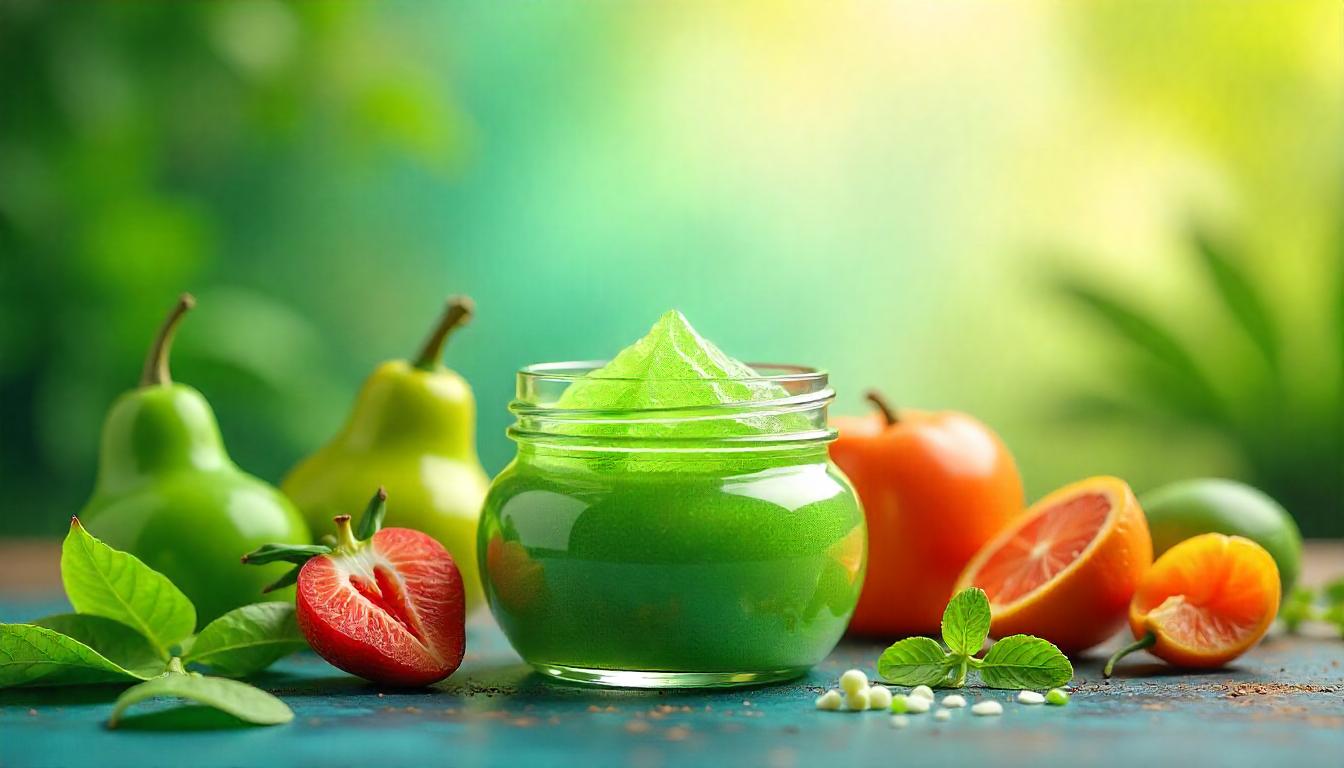
Introduction: Sea Moss and Cholesterol
Are you curious about natural ways to manage your cholesterol? Sea moss, also known as Irish moss, has gained attention as a nutrient-rich superfood that may support heart health and cholesterol balance. With its high fiber content, antioxidants, and essential minerals, sea moss is being explored by wellness enthusiasts and researchers alike.
In this article, we’ll dive deep into sea moss and cholesterol, including its potential benefits, nutrients, safe usage, and how to incorporate it into a heart-healthy lifestyle. We’ll also provide internal resources to help you adopt a holistic approach to wellness.
This article is for informational purposes only and does not replace professional medical advice. Always consult your healthcare provider before starting any supplement.
What is Sea Moss?
Sea moss, scientifically known as Chondrus crispus, is a type of red algae that grows along the Atlantic coasts of North America and Europe. For centuries, it has been used in traditional medicine for its rich nutrient profile.
Key nutrients in sea moss include:
- Iodine – Supports thyroid function
- Potassium – Aids heart health and blood pressure regulation
- Magnesium – Helps maintain normal cardiovascular function
- Omega-3 fatty acids – Promote healthy cholesterol levels
- Fiber – Supports digestion and cholesterol reduction
This nutrient combination makes sea moss a popular supplement in both traditional and modern wellness routines.
How Sea Moss May Help Lower Cholesterol
1. High Fiber Content
Sea moss is rich in soluble fiber, which helps reduce LDL (“bad”) cholesterol by binding to cholesterol particles in the digestive tract and removing them from the body.
- Helps improve digestion
- Supports natural cholesterol reduction
- Promotes heart health
Including sea moss as part of a balanced, heart-healthy diet may enhance these benefits.
2. Rich in Omega-3 Fatty Acids
Omega-3s in sea moss play a critical role in:
- Lowering triglycerides
- Raising HDL (“good”) cholesterol
- Reducing inflammation
These effects combine to protect against cardiovascular disease, making sea moss a valuable addition to a heart-conscious routine.
3. Antioxidant Properties
Sea moss contains antioxidants like polyphenols and carotenoids, which combat oxidative stress.
- Oxidative stress contributes to LDL buildup in arteries
- Antioxidants protect overall heart and vascular health
Adding sea moss to your diet may complement other antioxidant-rich foods, supporting gut health and fat loss simultaneously.
4. Supports Thyroid Health
The thyroid gland regulates metabolism, which affects how the body processes fats and cholesterol. Sea moss is rich in iodine, essential for thyroid function.
- Supports hormonal balance
- Enhances fat and cholesterol metabolism
A healthy thyroid indirectly supports cardiovascular wellness and energy levels.
5. Natural Statin-Like Effects
Some compounds in sea moss may function similarly to statins, which prevent the liver from producing excess cholesterol. While more research is needed, early studies suggest:
- Reduced LDL cholesterol
- Support for overall heart health
Sea moss can be considered a natural supplement for cholesterol management when combined with a balanced lifestyle.
Other Health Benefits of Sea Moss
Beyond cholesterol management, sea moss offers several wellness advantages:
- Boosts immunity
- Supports weight loss
- Promotes gut health – Meal plans & recipes for weight loss
- Improves skin condition – Skincare for oily skin
- Enhances energy levels
These benefits make sea moss a versatile addition to daily wellness routines.
Comparison with Other Cholesterol-Friendly Foods
To give you perspective, here’s how sea moss stacks up against other foods that support heart health and cholesterol balance:
| Food / Supplement | Key Benefits for Cholesterol & Heart Health | Notes / How to Use |
|---|---|---|
| Sea Moss (Irish Moss) | High fiber binds LDL (bad cholesterol), rich in omega-3s, antioxidants, iodine supports thyroid & metabolism | 1–2 tbsp gel daily, in smoothies or teas; can also use capsules |
| Oats | Beta-glucan fiber helps lower LDL, supports gut health | Add to breakfast porridge or smoothies |
| Salmon | Fiber-rich, omega-3s aids in lowering LDL | Bake, grill, or include in salads 2–3 times/week |
| Walnuts | Healthy monounsaturated fats support cholesterol balance | Snack or add to oatmeal/salads |
| Avocado | Rich in omega-3 fatty acids, reduces triglycerides and boosts HDL | Use in salads, spreads, or smoothies |
| Chia Seeds | Fiber-rich, omega-3s aid in lowering LDL | Plant-based omega-3s improves HDL/LDL ratio |
Tip: According to the American Heart Association, fiber and omega-3 intake support healthy cholesterol levels.
How to Use Sea Moss Safely
Gel Form
Blend dried sea moss with water to make a smooth gel.
Add it to smoothies, teas, soups, or desserts for an easy nutrient boost.
Capsules or Powder
Ideal for busy lifestyles and on-the-go nutrition.
Always follow the recommended dosage on the product label to stay safe.
Raw Dried Sea Moss
Soak, clean, and prepare at home before use.
Start with small amounts to see how your body reacts.
Recommended Dosage
Experts suggest 1–2 tablespoons of sea moss gel daily. Always consult your doctor if you have pre-existing conditions, especially thyroid disorders.
Results may vary, but consistent use alongside a balanced heart-healthy diet and lifestyle can yield noticeable improvements in 4–8 weeks.
Potential Side Effects and Precautions
While sea moss is generally safe:
- Iodine overdose – Can affect thyroid function
- Digestive upset – Start with small amounts
- Contaminants – Ensure purchase from trusted sources
Pregnant or nursing women should consult a healthcare provider before use.
Top Sea Moss Products on Amazon
- EverSmith Organics Wildcrafted Irish Sea Moss Gel
- Sustainably harvested, versatile, and nutrient-rich
- Power By Naturals Sea Moss Plus Capsules
- Combines bladderwrack, burdock root, and Irish sea moss
- INFINITE AGE 1250mg Sea Moss Advanced Capsules
- Convenient supplement for daily wellness
(Affiliate Disclaimer: As an Amazon Associate, we earn from qualifying purchases at no extra cost to you.)
FAQs About Sea Moss and Cholesterol
1. How long does it take to lower cholesterol with sea moss?
Results vary based on lifestyle, diet, and health. Typically, noticeable improvements occur in 4–8 weeks with consistent use.
2. Can sea moss replace cholesterol medications?
No. Sea moss may help, but it should not replace prescribed statins or other medications unless advised by a doctor.
3. Is daily consumption safe?
Yes, in moderation. Limit intake to 1–2 tablespoons of gel per day to avoid iodine overload.
4. Which form is best?
Wildcrafted gel or capsules are ideal. Avoid highly processed or pool-grown varieties.
5. Can sea moss be used with other supplements?
Yes. Combining with multivitamins or other minerals like calcium and magnesium is safe and beneficial for heart and bone health.
Conclusion: Is Sea Moss Worth It for Cholesterol?
Sea moss is a nutrient powerhouse that may support cholesterol management and overall heart health. Its combination of fiber, omega-3s, antioxidants, and iodine makes it a natural addition to a wellness routine.
However, it’s not a cure-all. The best results come from consistent use, a balanced diet, regular exercise, and medical guidance.
Call to Action
Ready to support your heart and cholesterol naturally? Consider:
- EverSmith Organics Sea Moss Gel
- Power By Naturals Sea Moss Plus Capsules
- INFINITE AGE Sea Moss Capsules
Share this article with friends and family to help them learn about sea moss and cholesterol!
Recent Comments