
Understanding the Link Between Cholesterol and Heart Health
Worried about your heart health? Feeling tired or short of breath? Your cholesterol levels could be playing a bigger role than you think. Cholesterol and heart health are deeply interconnected. High cholesterol is one of the leading contributors to cardiovascular diseases, including heart attacks and strokes. Despite its bad reputation, not all cholesterol is harmful. This article will break down the facts, debunk common myths, and guide you toward maintaining a healthy heart through proper cholesterol management.
Related Articles:
- Sea Moss and Cholesterol: Does It Really Help?
- How to Lower Cholesterol Naturally Without Medication
- Best Supplements for Lowering Cholesterol Naturally
- Low Cholesterol Diet Plan: 7-Day Meal Ideas for Beginners
What Is Cholesterol and How Does It Affect Heart Health
Cholesterol is a waxy, fat-like substance that your body needs to function properly. It helps your body produce vitamin D, certain hormones, and cell membranes. While cholesterol is essential, having too much can be harmful and increase the risk of heart problems.
There are two main sources of cholesterol:
- Endogenous cholesterol: This is cholesterol your body makes naturally, mainly in the liver.
- Exogenous cholesterol: This comes from foods like meat, eggs, and dairy products.
When cholesterol builds up in your arteries, it can form fatty deposits called plaques, which narrow your arteries and make it harder for blood to flow. Over time, this can lead to serious cardiovascular issues, including heart attacks and strokes.
Types of Cholesterol: LDL vs HDL
Not all cholesterol is bad—understanding the types is key to keeping your heart healthy:
- Low-Density Lipoprotein (LDL): Often called “bad cholesterol,” LDL carries cholesterol to your arteries. Too much LDL can cause plaque buildup, narrowing of your arteries, and an increased risk of heart attacks and strokes.
- High-Density Lipoprotein (HDL): Known as “good cholesterol,” HDL helps remove excess cholesterol from your bloodstream and carries it back to the liver for elimination.
To protect your heart, aim for lower LDL levels and higher HDL levels through a healthy diet, regular exercise, and lifestyle choices.
How High Cholesterol Affects Your Heart
When cholesterol, especially LDL (bad cholesterol), is too high, it can lead to atherosclerosis—a condition where fatty deposits, called plaques, build up inside your arteries. Over time, this buildup can cause serious problems:
- Narrowed arteries: Blood flow to the heart and other organs becomes restricted.
- Reduced oxygen supply: Can lead to chest pain (angina) or shortness of breath.
- Blood clots: These can trigger heart attacks or strokes.
Even if you don’t have symptoms, monitoring cholesterol levels and taking steps to manage them is crucial for protecting your heart.
Common Risk Factors and Causes of High Cholesterol
High cholesterol can be influenced by lifestyle, genetics, and medical conditions. Here are the main factors:
- Unhealthy diet: Eating too much saturated fat, trans fats, and refined carbs can raise LDL (bad cholesterol).
- Physical inactivity: Lack of exercise can lower HDL (good cholesterol) and increase LDL, putting your heart at risk.
- Smoking: Cigarettes not only damage blood vessels but also reduce HDL levels.
- Genetics: Conditions like familial hypercholesterolemia can cause high cholesterol regardless of diet.
- Medical conditions: Diabetes, obesity, and hypothyroidism can all contribute to elevated cholesterol levels.
Tip: Even small changes in diet and activity can help manage cholesterol and improve heart health over time.
How to Lower Cholesterol Naturally
Lifestyle changes are necessary to improve heart and cholesterol health without the use of medication. These are the best methods:
1. Improve Your Diet
- Eat more soluble fiber (oats, beans, fruits, lentils) → helps lower LDL (bad cholesterol).
- Choose healthy fats like avocados, olive oil, and fatty fish (salmon, mackerel).
- Avoid trans fats and limit saturated fat intake to protect your heart.
2. Exercise Regularly
- Aim for at least 150 minutes of moderate aerobic activity per week (e.g., walking, cycling)
- Physical activity raises HDL while lowering LDL and triglycerides
3. Quit Smoking
- Boosts HDL cholesterol and improves overall heart health.
- Significantly reduces the risk of heart disease within months of quitting.
4. Lose Excess Weight
- Even modest weight loss can improve cholesterol levels and reduce heart risks.
Tip: Combining diet, exercise, and quitting smoking gives the best results for long-term heart health.
Related: Foods High in Cholesterol (and What to Eat Instead)
The Role of Diet: What to Eat and What to Avoid
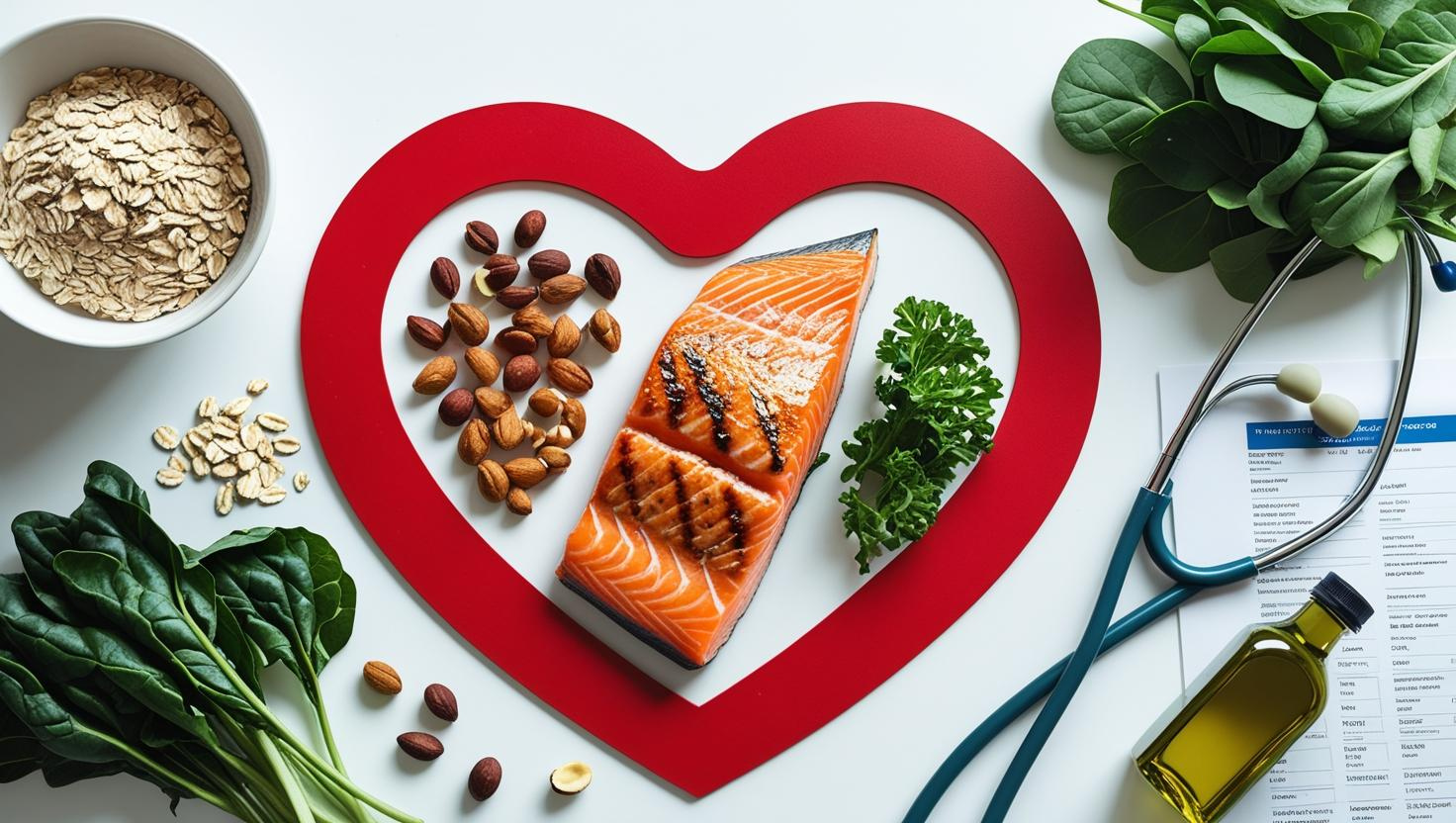
What you eat plays a key role in managing cholesterol and keeping your heart healthy. Certain foods can naturally help lower LDL (bad cholesterol) while boosting HDL (good cholesterol), protecting your cardiovascular system. Oats, barley, and other whole grains are packed with soluble fiber, which helps remove excess cholesterol from your bloodstream. Beans and legumes provide fiber and plant-based protein, supporting overall heart health. Vegetables like eggplant, okra, and Brussels sprouts are nutrient-rich and gentle on cholesterol levels, making them excellent daily choices. Nuts, such as almonds and walnuts, offer healthy fats that improve HDL levels, while fatty fish like tuna, mackerel, and salmon are full of omega-3 fatty acids, reducing triglycerides and protecting your heart.
On the other hand, it’s important to limit foods that can raise LDL and harm arteries. Red meat and full-fat dairy products are high in saturated fats and can contribute to plaque buildup. Fried and processed foods often contain trans fats and unhealthy oils that spike cholesterol levels, and baked goods made with hydrogenated oils increase the risk of heart disease over time. By making smart swaps, like choosing whole grains, plant-based proteins, and healthy fats, you can actively support your cholesterol management and cardiovascular health.
Pro Tip: Even small, consistent changes—like adding fiber, eating more vegetables, and reducing saturated fats—can make a significant difference for your heart over time.
Best Supplements to Support Cholesterol and Heart Health
While a heart-healthy diet and lifestyle should always come first, certain supplements can provide additional support for managing cholesterol. One popular option is Nature Made CholestOff Plus, which contains plant sterols and stanols that help block cholesterol absorption naturally. Omega-3 fatty acids, found in fish oil supplements, are known to lower triglycerides and protect cardiovascular health. Psyllium husk, a soluble fiber supplement, can also help reduce LDL (bad cholesterol) when taken regularly, and niacin (Vitamin B3) may improve HDL (good cholesterol) levels.
For women and men aiming to keep their hearts strong, integrating these supplements alongside a fiber-rich diet, healthy fats, and regular exercise can make a noticeable difference over time. Always consult your healthcare provider before starting any new supplement regimen to ensure it fits your personal health needs.
Trusted Source: American Heart Association – Cholesterol
Related: Best Supplements for Lowering Cholesterol Naturally
Warning Signs of High Cholesterol
High cholesterol is often called a “silent condition” because it usually doesn’t cause noticeable symptoms. However, in some cases, there are warning signs you shouldn’t ignore. For instance, yellowish deposits around the eyes, known as xanthelasma, can indicate elevated cholesterol levels. Some people may experience chest pain (angina) or leg pain due to narrowed arteries, and shortness of breath during physical activity can also be a subtle sign. Since these symptoms aren’t always obvious, routine blood testing remains the most reliable way to monitor your cholesterol and catch any potential issues early.
Related: Signs of High Cholesterol: 7 Warning Signs You Shouldn’t Ignore
FAQs: Cholesterol and Heart Health
Q1: Can you reverse high cholesterol naturally?
Yes, with consistent dietary and lifestyle changes, many people can reduce cholesterol levels without medication.
Q2: Is all cholesterol bad?
No, HDL is beneficial and helps protect the heart.
Q3: What’s a healthy cholesterol level?
- Total cholesterol: below 200 mg/dL
- LDL: below 100 mg/dL
- HDL: above 60 mg/dL
Q4: Can stress affect cholesterol?
Chronic stress may contribute to behaviors (e.g., poor eating, smoking) that increase cholesterol levels.
Conclusion: Prioritize Your Cholesterol and Heart Health
The first step toward a healthier life is understanding cholesterol and how it affects your heart. You can significantly reduce your risk of heart disease by staying active, eating a heart-healthy diet, and using supplements when needed.
Start with small, consistent changes today. Your heart and future self will thank you.
Explore More on Cholesterol and Heart Health
Amazon Affiliate Disclosure
This article may contain affiliate links. As an Amazon Associate, I earn from qualifying purchases.
Disclaimer
This content is for informational purposes only and does not replace medical advice. Always consult your physician before starting any new diet or supplement.
Recent Comments