
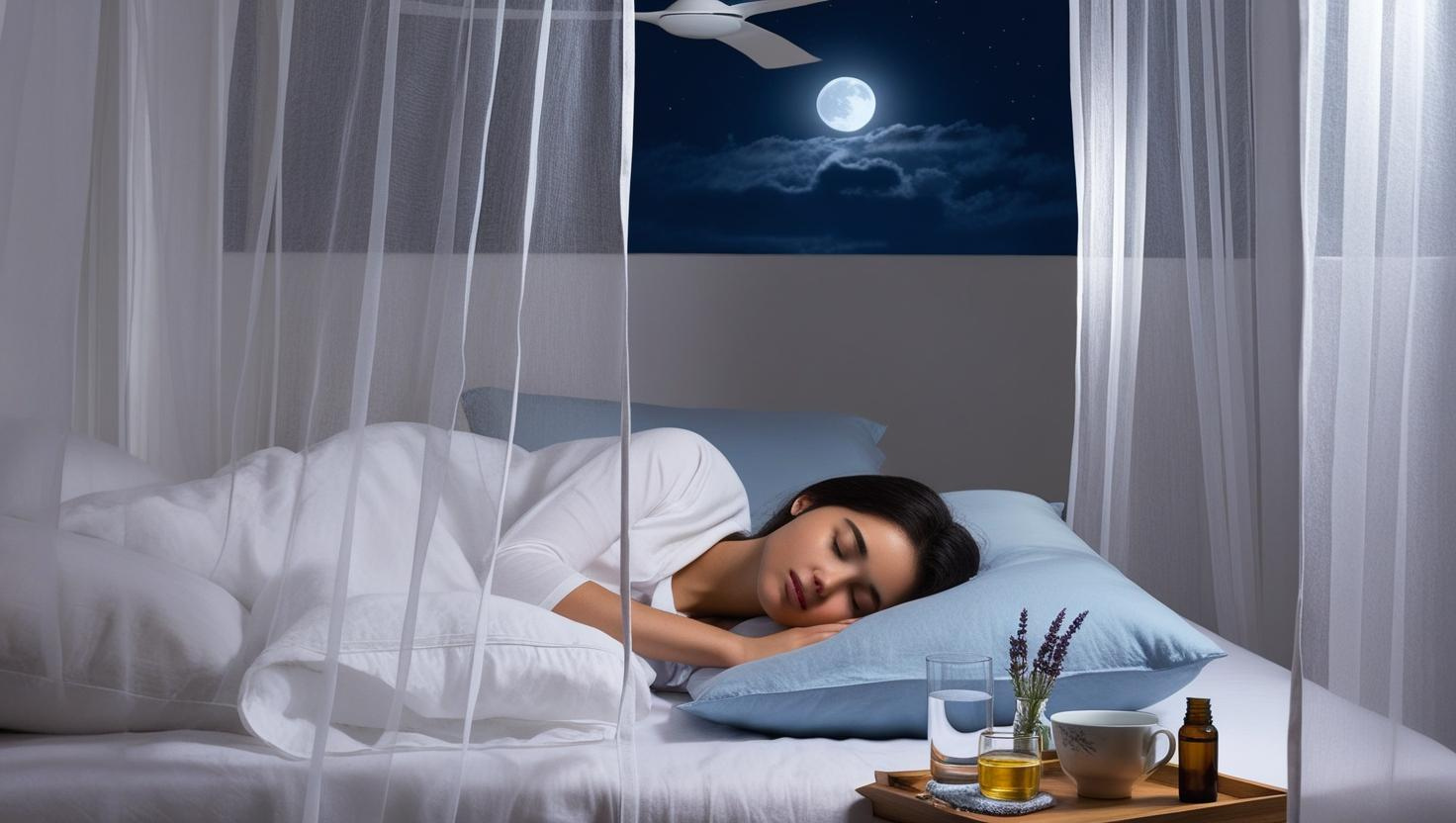
Sweating during sleep is a common experience, but if it happens frequently or excessively, it can raise concerns. If you’ve ever wondered why you sweat in your sleep, you are not alone—this condition, known as night sweats, affects many people worldwide.
While occasional sweating can be harmless, persistent night sweats may be linked to lifestyle factors, hormonal changes, stress, or even underlying health conditions. Understanding the root cause is the first step toward finding relief and improving your sleep quality.
In this article, we will explore the major causes of night sweats, possible health conditions behind them, and practical solutions to help you stay cool and comfortable throughout the night.
Why Do I Sweat in My Sleep? Common Causes
Finding relief from night sweats requires knowing what causes them. The following are some of the most typical causes of excessive perspiration as you sleep:
1. Why Do I Sweat in My Sleep? Common Cause: Overheating
Your sleeping environment is one of the easiest ways to answer the question, “Why do I sweat while I sleep?” Excessive perspiration might result from heat trapping caused by heavy blankets, high room temperatures, or non-breathable bedding.
2. Why Do I Sweat in My Sleep? Hormonal Changes Explained
Night sweats can be brought on by hormonal changes, particularly in women going through menopause, pregnancy, or menstruation. This is because variations in oestrogen levels impact the body’s capacity to control its temperature.
3. Infections and Illnesses: Could They Be Why You Sweat in Your Sleep?
Night sweats may be a symptom of fever-related disorders such as the flu, TB, or other infections. See a doctor if you experience any concomitant symptoms, such as fever, chills, or unexplained weight loss.
4. Medications
Night sweats are listed as a typical side effect of some medications, such as hormone treatment, antidepressants, and blood pressure medications. It might be worthwhile to talk to your doctor about your options if you recently started taking a new medication.
5. Stress and Anxiety
Physical symptoms are significantly influenced by mental wellness. Sweating even as you sleep can be a result of your body’s fight-or-flight response being triggered by high levels of stress or anxiety.
Health Conditions Linked to Night Sweats
Night sweats may occasionally be a sign of a more serious underlying health condition. These include:
- Hyperthyroidism
- Diabetes
- Sleep apnea
- Certain cancers (rarely, especially lymphoma)
It is important to consult a doctor if your night sweats are severe or persistent, especially if they are accompanied by other symptoms such as fatigue, unexplained weight loss, fever, or an irregular heartbeat.
For more helpful tips on managing health and nutrition-related conditions, you can also read our guide on diabetes-friendly snacks.
Solutions for Night Sweats
Now that you are aware of the potential causes of your night sweats, let’s move on to practical fixes:
1. Optimize Your Sleep Environment
Keeping your sleep environment cool and comfortable is one of the most effective ways to reduce night sweats. The ideal bedroom temperature is around 65°F (18°C) to help your body maintain a stable sleep cycle.
Invest in breathable bedding such as bamboo or cotton sheets and pyjamas, as these materials help wick away moisture and prevent overheating during the night.
Using a fan or air conditioner can also improve air circulation and keep your room cool, reducing the chances of excessive sweating.
For better sleep quality and relaxation techniques, you can also read how 10 minutes of evening stretching changed my sleep routine.
2. Make Lifestyle Changes
- Stay hydrated: Drinking enough water helps regulate your body temperature.
- Avoid spicy foods and caffeine at night: These can increase your body temperature and trigger sweating during sleep.
- Limit alcohol consumption: Alcohol causes blood vessels to dilate, which can make sweating more likely at night.
3. Manage Stress
Before going to bed, use relaxation techniques to calm your body and mind, such as journaling, deep breathing exercises, or meditation. These practices help reduce stress levels, which can contribute to night sweats and poor sleep quality.
For additional support in improving relaxation and sleep quality, you can also read our guide on the best time to take magnesium for sleep and stress relief.
4. Monitor Your Health
Pay attention to any additional symptoms along with night sweats. It is important to consult a doctor if your night sweats are severe, new, or accompanied by symptoms such as fever, fatigue, or unexplained weight loss.
The Role of Sleepwear in Preventing Night Sweats
Your level of comfort can significantly change depending on the sleepwear you choose. Cotton, bamboo, and moisture-wicking mixes are examples of natural, breathable textiles that help control body temperature and prevent perspiration. Steer clear of synthetic textiles as they retain moisture and heat, which exacerbates perspiration. Additionally, loose-fitting pyjamas promote better air circulation, which keeps you cooler all night.
Natural Remedies for Night Sweats
Natural therapies may offer relief in addition to alterations in the environment and lifestyle:
Herbal teas: Sage tea is believed to help reduce sweating naturally. Check out this highly rated sage tea on Amazon.
Essential oils: Peppermint and lavender oils provide a cooling effect and encourage relaxation. Check out this highly rated lavender essential oil on Amazon.
Diet adjustments: Reduce consumption of hot or spicy foods and increase consumption of cooling foods like watermelon and cucumber.
Tips to Prevent Night Sweats
Here are some other suggestions to lessen the likelihood of night sweats:
- Before going to bed, take a lukewarm shower.
- Put on light, loose-fitting pyjamas.
- Sleep in layers that are simple to take off.
- By your bedside, keep a glass of cold water.
FAQs About Night Sweats
Q1: Are night sweats always a sign of illness?
No, a lot of night sweats are brought on by outside variables like food habits or ambient temperature. It’s advisable to consult a doctor, though, if they intensify or continue.
Q2: Can children experience night sweats?
Indeed, children may have night sweats, which are frequently brought on by minor illnesses or overheating. A paediatrician should assess symptoms that are severe or persistent.
Q3: How long should I monitor my night sweats before seeing a doctor?
See your doctor if your night sweats persist for longer than two weeks or if you experience any worrisome symptoms, including fever, exhaustion, or weight loss.
Q4: Can certain foods trigger night sweats?
Yes, especially when consumed right before bed, spicy meals, caffeine, and alcohol can raise body temperature and cause perspiration.
Why Addressing Night Sweats Matters for Your Fitness
Recuperation of muscles and general fitness depend on getting enough good sleep. Your sleep cycle may be disturbed by persistent night sweats, which can cause exhaustion and a delayed rate of recovery. See this comprehensive post for additional information on how sleep affects your fitness and health: How Sleep Affects Fitness and Muscle Recovery: What You Need to Know.
Conclusion: Why Do I Sweat in My Sleep and How to Stay Cool
Although night sweats can be annoying, the first step to getting rid of them is understanding why you sweat while you sleep. You can use several strategies to stay cool and comfortable, whether the cause is simple lifestyle factors or an underlying medical condition. Your health and sleep quality are too important to ignore if the symptoms are severe or persistent.
You can reduce night sweats and enjoy deeper, more refreshing sleep by taking control of your sleeping environment, managing stress, and staying aware of your overall health.
Affiliate Disclosure:
This post contains affiliate links. If you purchase through these links, we may earn a small commission at no extra cost to you.