
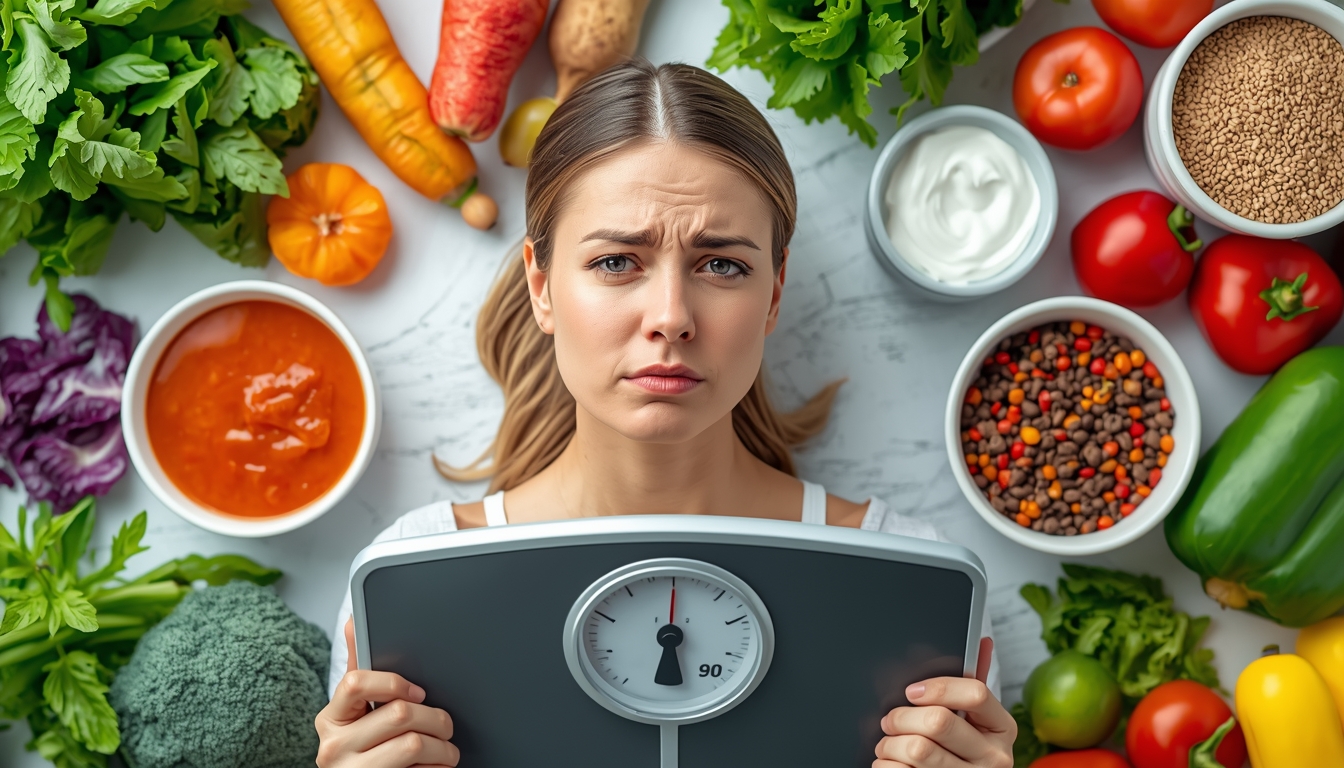
Why Am I Not Losing Weight Despite Eating Less?
If you keep asking yourself, “Why am I not losing weight despite eating less?”, you’re not alone—and no, it doesn’t mean you’re failing.
Many people cut portions, skip meals, and still see no change on the scale. This can feel frustrating, confusing, and even discouraging. The truth is, weight loss is not just about eating less. Your body is influenced by hormones, stress, food quality, metabolism, sleep, and even gut health.
In this article, we’ll break down the real reasons why eating less isn’t working, what your body might be trying to tell you, and how to fix it naturally—without extreme dieting or burnout.
Why Am I Not Losing Weight Despite Eating Less? Understanding the Real Problem
Most people believe weight loss is simple:
Eat less → burn more → lose weight.
But the human body doesn’t work like a calculator.
When you drastically reduce food intake, your body often switches into survival mode. Instead of burning fat, it tries to hold onto it.
Here’s why.
1. Why Am I Not Losing Weight Despite Eating Less: Eating Too Little Slows Your Metabolism
One of the biggest reasons people ask why am I not losing weight despite eating less is that extreme calorie restriction slows down the body’s metabolism. When you eat too little for a long time, your body senses danger and responds by conserving energy. As a result, your overall energy use decreases, fat burning slows down, and you may start feeling unusually tired, cold, or unmotivated throughout the day. This process is known as adaptive thermogenesis, where the body protects itself from perceived starvation by holding onto stored fat. Instead of losing weight, your body becomes more efficient at saving energy, making fat loss even harder.
2. Why Am I Not Losing Weight Despite Eating Less: You’re Losing Nutrients, Not Fat
Eating less does not always mean eating better. When your diet lacks essential nutrients such as protein, fiber, vitamins, and minerals, your body struggles to perform basic metabolic functions. Instead of burning fat efficiently, it shifts focus toward survival, which often results in low energy, cravings, and stalled weight loss. One of the most commonly missed components in low-calorie diets is green vegetables, which play a critical role in supporting metabolism, digestion, and fat-burning processes. When your plate lacks enough greens, weight loss progress often slows down or stops completely. You can learn more about the importance of greens for overall health and fat loss in this detailed guide on the benefits of green vegetables.
3. Why Am I Not Losing Weight Despite Eating Less: Poor Food Quality Is Blocking Fat Loss
You may be eating fewer calories, but if those calories come from processed foods, refined carbs, or sugary snacks, your insulin levels can remain high, which makes fat loss much harder. Weight loss is influenced not just by the amount of food you eat, but also by its quality. Focusing on nutrient-dense, whole foods is essential for supporting metabolism and sustainable fat loss. If you’re unsure which foods actually help your body burn fat naturally, this detailed guide on the best foods for natural and healthy weight loss can help you make the right choices: best foods for natural and healthy weight loss.
4. Why Am I Not Losing Weight Despite Eating Less: Stress Hormones Are Working Against You
Chronic stress is one of the silent killers of weight loss. When stress levels rise, your body releases higher amounts of cortisol, the stress hormone, which not only increases fat storage—especially around the belly—but also accelerates muscle breakdown. Even if you are eating less, elevated cortisol signals your body to hold onto fat rather than burn it. Stress can also disrupt digestion, trigger cravings, and lead to emotional eating, making it even harder to achieve weight loss goals. Managing stress is therefore a crucial, yet often overlooked, component of successful and sustainable fat loss.
5. Gut Health Plays a Bigger Role Than You Think
Your gut plays a central role in controlling digestion, nutrient absorption, hormone balance, and inflammation—all of which directly impact weight loss. Even if you reduce calories, poor gut health can make it extremely difficult to lose weight effectively. There is a strong connection between gut health, metabolism, and mood, and addressing it can significantly improve your fat-burning potential. You can learn more about this relationship in the detailed guide on the gut–brain connection. When your gut is damaged or imbalanced, it can lead to bloating, fatigue, a slower metabolism, and increased fat storage, all of which make achieving your weight loss goals much harder.
6. Skipping Meals Can Backfire
Many people try to eat less by skipping breakfast, delaying meals, or eating only once or twice a day. While this approach may work for some, for others it can backfire. Skipping meals often increases stress hormones, triggers binge eating later in the day, and slows down the metabolic rate. Your body responds best to consistent nourishment rather than starvation signals, and maintaining regular, balanced meals helps support metabolism, energy levels, and sustainable fat loss.
7. Lack of Protein Is Stalling Results
Protein is a key nutrient for fat burning, muscle preservation, stable blood sugar, and appetite control. If you eat fewer calories but don’t consume enough protein, your muscle mass may decrease, your metabolism can slow down, and fat loss becomes much harder. Including simple, nutrient-rich meals like lentil soup can help improve satiety, support metabolism, and make it easier to lose weight naturally.
8. Sleep Deprivation Is Sabotaging Your Efforts
Even the best diet can fail if you’re not getting enough sleep. Poor sleep raises hunger hormones like ghrelin, lowers fullness hormones such as leptin, increases cravings, and slows down fat burning. Many people who wonder “why am I not losing weight despite eating less?” don’t realize that lack of quality sleep is often the missing piece. Prioritizing consistent, restorative sleep is essential for metabolism, appetite control, and sustainable weight loss.
9. Hormonal Imbalances Can Block Weight Loss
Hormones play a major role in weight management, especially in women. Common issues such as thyroid imbalances, insulin resistance, PCOS, and changes during perimenopause can make losing weight particularly challenging. In these cases, simply eating less without addressing hormonal health often makes the situation worse, as the body’s metabolism, fat storage, and energy regulation are all affected. Understanding and supporting your hormonal balance is therefore crucial for effective and sustainable weight loss.
10. The Scale Is Lying to You
Weight loss is not always reflected accurately on the scale. You might be losing fat, gaining muscle, or holding water temporarily, which can make the numbers misleading. Factors such as stress, salt intake, hormonal fluctuations, and digestion can all affect your scale weight on any given day. That’s why progress should not be measured by the scale alone. Pay attention to other indicators of success, including your energy levels, body measurements, how your clothes fit, and overall strength. These signs often give a more accurate picture of real, sustainable fat loss.
How to Fix Weight Loss Stalls Naturally
If you’re stuck despite eating less, here’s what actually helps:
1. Eat Enough (Not Less)
Severely restricting calories can actually slow down metabolism and stall fat loss. Instead of eating less, focus on balanced meals that provide enough energy for your body to function and burn fat efficiently. Eating enough prevents fatigue, low energy, and cravings that come with extreme restriction.
2. Prioritize Protein and Fiber
Protein and fiber are essential for fat burning, muscle maintenance, and appetite control. Including high-protein and fiber-rich foods in your meals helps you feel full longer, supports metabolism, and reduces the temptation to snack on unhealthy foods.
3. Improve Gut Health
A healthy gut plays a key role in digestion, nutrient absorption, hormone balance, and metabolism. Add whole foods, fermented foods, and plenty of water to your diet to support gut health and reduce bloating, fatigue, and slow metabolism.
4. Manage Stress Daily
Chronic stress increases cortisol levels, which can lead to fat storage, especially around the belly. Even just 10 minutes of daily calm breathing or meditation can help lower stress hormones, improve digestion, and support your weight loss efforts.
5. Sleep Consistently
Lack of quality sleep disrupts hunger and fullness hormones, increases cravings, and slows fat burning. Consistently getting 7–8 hours of restorative sleep is crucial for metabolism, energy, and effective weight loss.
6. Choose Food Quality Over Calorie Obsession
Focusing solely on calorie counting can backfire if the quality of food is poor. Prioritize nutrient-dense, whole foods that nourish your body, boost metabolism, and support sustainable fat loss instead of punishing your body with extreme dieting.
FAQs: Why Am I Not Losing Weight Despite Eating Less?
Q1: Can eating too little stop weight loss?
Yes. Severe calorie restriction slows metabolism and increases fat storage.
Q2: Is it possible to gain weight while eating less?
Yes, due to water retention, hormonal changes, and metabolic slowdown.
Q3: Should I eat more to lose weight?
Often yes—eating enough of the right foods supports fat loss.
Q4: How long does metabolic recovery take?
It can take weeks to months, depending on how long the restriction lasted.
Q5: Does stress really affect weight loss?
Absolutely. High cortisol directly blocks fat burning.
Conclusion: Why Am I Not Losing Weight Despite Eating Less – Eating Less Is Not the Answer
If you’ve been wondering why I’m not losing weight despite eating less, now you know the truth:
Weight loss is not about punishment—it’s about supporting your body.
Eating too little, stressing too much, and ignoring gut health can all work against you, even when intentions are good.
The solution is not more restrictions—but better nourishment, balance, and patience.
Call to Action
If this article helped you understand your body better:
Explore more science-backed, realistic health content on FitFusionBlogs.com
Share this article with someone who’s struggling silently
Start focusing on health first—weight loss will follow
You’re not broken.
You just needed the right information 💚
Recent Comments