
Introduction
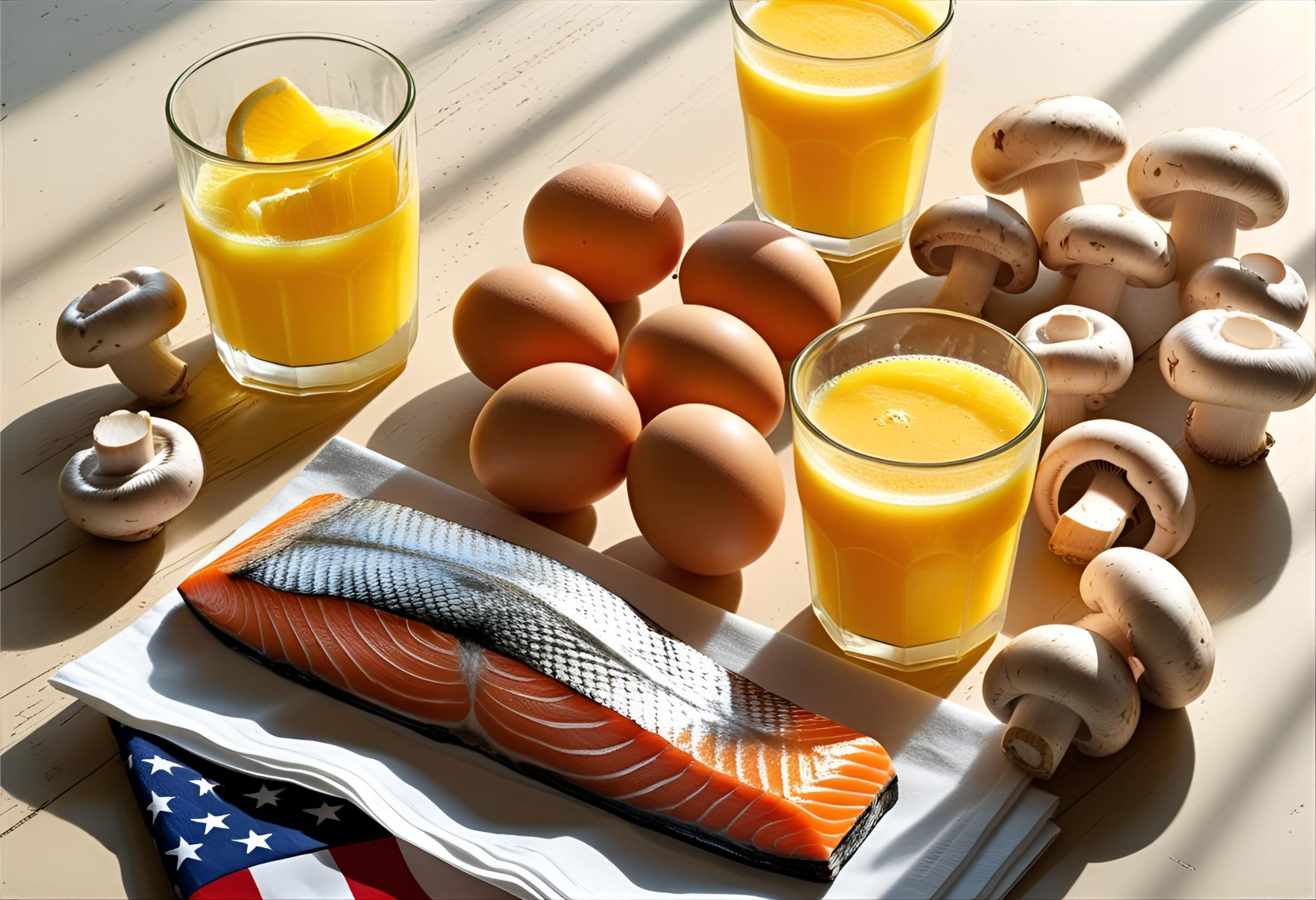
Vitamin D is essential for strong bones, a robust immune system, and overall well-being. Millions of Americans experience vitamin D deficiency without even realizing it, which can affect energy, mood, and long-term health. While supplements can help, many everyday foods are naturally rich in this vital nutrient. This article highlights the top 10 Vitamin D-rich foods available in the U.S., offering practical options for a balanced diet and improved wellness. By incorporating these foods, you can boost your vitamin D intake naturally and support your overall health.
Why You Need Vitamin D-Rich Foods in the U.S.
Vitamin D supports calcium absorption, strengthens bones, boosts the immune response, and benefits mental health. However, many people in the U.S. experience deficiency due to limited sun exposure and spending more time indoors, especially during long winters.
Read more: Signs of Low Vitamin D
How Much Vitamin D Do Americans Need Daily from Vitamin D-Rich Foods in the U.S.?
According to the NIH, the recommended daily intake of Vitamin D is:
- Infants (0–12 months): 400 IU
- Children and adults (1–70 years): 600 IU
- Adults over 70 years: 800 IU
- Pregnant and breastfeeding women: 600 IU
Full guide: How Much Vitamin D Should You Take Daily in the United States
Top 10 Vitamin D-Rich Foods Commonly Found in the U.S.
1. Salmon – A Top Vitamin D-Rich Food in the U.S.
One of the best natural sources of vitamin D is fatty fish, such as salmon, especially wild-caught varieties. A standard 3.5-ounce serving provides roughly 600–1000 IU of vitamin D, making it an excellent addition to your diet. Salmon is also rich in omega-3 fatty acids, which support heart, brain, and joint health. Including salmon in your meals 2–3 times per week can help prevent vitamin D deficiency and improve overall well-being. For maximum benefit, bake, grill, or steam salmon instead of frying to retain nutrients and flavor.
Shop now: Wild-Caught Salmon on Amazon
2. Fortified Milk
In the United States, most cow’s milk is fortified with about 100 IU of vitamin D per cup, making it one of the easiest ways to get this essential nutrient. Fortified milk not only supports bone strength and calcium absorption but also contributes to a healthy immune system. It is widely available in grocery stores and can be used in cereal, smoothies, or coffee for added nutrition. For those who prefer non-dairy options, fortified plant-based milks such as almond, soy, or oat milk also provide vitamin D. Including fortified milk in your daily diet helps maintain optimal vitamin D levels and supports overall health naturally.
3. Fortified Cereal
Many popular breakfast cereals in the United States, such as Cheerios, Total, and Special K, are fortified with vitamin D to help meet daily requirements. Fortified cereals provide a convenient way to start your day with this essential nutrient, especially for those who may not consume enough through natural foods. Look for “Vitamin D2” or “D3” on the label to ensure you’re getting an effective form of the vitamin. Pairing cereal with fortified milk or plant-based alternatives can further boost your vitamin D intake. Including fortified cereals in your morning routine can support bone health, improve immunity, and contribute to overall wellness.
4. Egg Yolks
Egg yolks are a natural source of vitamin D, with each yolk providing approximately 40–50 IU. Eggs from pasture-raised or free-range chickens often contain higher levels of this essential nutrient. Including egg yolks in your diet is an easy way to support bone strength and immune function. They can be enjoyed boiled, scrambled, or added to various recipes for a nutritious boost. Combining egg yolks with other vitamin D-rich foods can help ensure you meet your daily requirements efficiently.
5. Tuna (Canned)
Canned tuna is an accessible and affordable source of vitamin D, providing around 200 IU per 3-ounce serving. It’s rich in protein and omega-3 fatty acids, which support heart and brain health. Tuna can be added to salads, sandwiches, or pasta dishes for a quick nutrient boost. Light and albacore varieties have slightly different vitamin D contents, so check labels if needed. Regular inclusion of canned tuna in your diet helps maintain optimal vitamin D levels, especially when sun exposure is limited.
6. Sardines
Sardines are small but mighty, offering about 270 IU of vitamin D per two fish. They’re also rich in calcium, supporting strong bones and teeth. Sardines can be eaten straight from the can, added to salads, or paired with whole-grain crackers. Their omega-3 content promotes heart health and reduces inflammation. Including sardines in your weekly meals ensures a convenient and natural vitamin D source.
7. Fortified Orange Juice
Many popular orange juice brands, like Tropicana, are fortified with around 100 IU of vitamin D per serving. Fortified orange juice is an excellent option for non-dairy drinkers and vegetarians. It can be consumed at breakfast or as a refreshing snack throughout the day. Choosing calcium-fortified versions provides added bone health benefits. Regular consumption helps maintain adequate vitamin D levels while enjoying a tasty beverage.
8. Mushrooms (UV-Exposed)
Mushrooms produce vitamin D naturally when exposed to UV light, making them one of the few plant-based sources. Portobello, maitake, and UV-exposed white mushrooms are especially rich in this nutrient. They can be grilled, sautéed, or added to soups and salads. Including mushrooms in your diet supports bone health and immunity. For maximum vitamin D benefits, choose varieties specifically labeled as UV-exposed.
9. Cheese (Swiss, American)
Certain cheeses provide small amounts of vitamin D, roughly 6–12 IU per slice. While not a major source, they can contribute to daily intake when combined with other vitamin D-rich foods. Cheese also provides calcium and protein, supporting bone and muscle health. Enjoy cheese in moderation in sandwiches, salads, or as a snack. Choosing fortified or naturally vitamin D-rich cheeses can slightly boost nutrient intake.
10. Cod Liver Oil
Cod liver oil is a potent source of vitamin D, offering over 400 IU per teaspoon along with beneficial omega-3 fatty acids. It supports bone strength, heart health, and immune function. Cod liver oil can be taken directly or added to smoothies and salad dressings. A small daily serving is enough to meet vitamin D requirements for most adults. Ensure you follow dosage recommendations, as it is a concentrated supplement.
Related read: Best Vitamin D Supplements in the United States
Best Practices to Maximize Absorption
- Pair Vitamin D-rich foods with healthy fats for better absorption.
- Get 10–15 minutes of sunlight a few times a week.
- Avoid overcooking fish and eggs to preserve nutrient content.
FAQs About Vitamin D-Rich Foods in the U.S.
Q1: Can I get enough Vitamin D from food alone?
It’s feasible, but most individuals also require sunshine or supplements, particularly during the winter.
Q2: Are fortified foods as effective as natural sources?
Yes, fortified foods contain bioavailable forms of Vitamin D and are beneficial.
Q3: Can plant-based foods provide enough Vitamin D?
You can rely on plant-based sources like UV-exposed mushrooms for Vitamin D. Fortified plant milks also offer a helpful boost.
Q4: Can too much Vitamin D from food be harmful?
Food by itself is unlikely to do it. The most common cause of toxicity is overuse of supplements.
Conclusion: Boost Your Health with Vitamin D-Rich Foods in the U.S.
Your health depends on Vitamin D, and adding these ten readily accessible items to your American diet can have a significant impact. From fortified milk to wild-caught salmon and mushrooms, these options are convenient and healthful.
Also read: Vitamin D Deficiency in the United States
Need help deciding between Vitamin D2 and D3? Vitamin D vs D3 in the United States
Call to Action
Start by adding one or two of these Vitamin D-rich foods to your meals this week. Share this guide with friends or family who may be at risk of Vitamin D deficiency. For supplement suggestions, check out our curated Amazon recommendations.
Disclaimer
This article is for informational purposes only. Always consult with a licensed healthcare professional before making dietary changes or taking supplements.
Written by the team at FitFusionBlogs — your trusted source for health and wellness tips tailored for the U.S. audience.
Recent Comments