
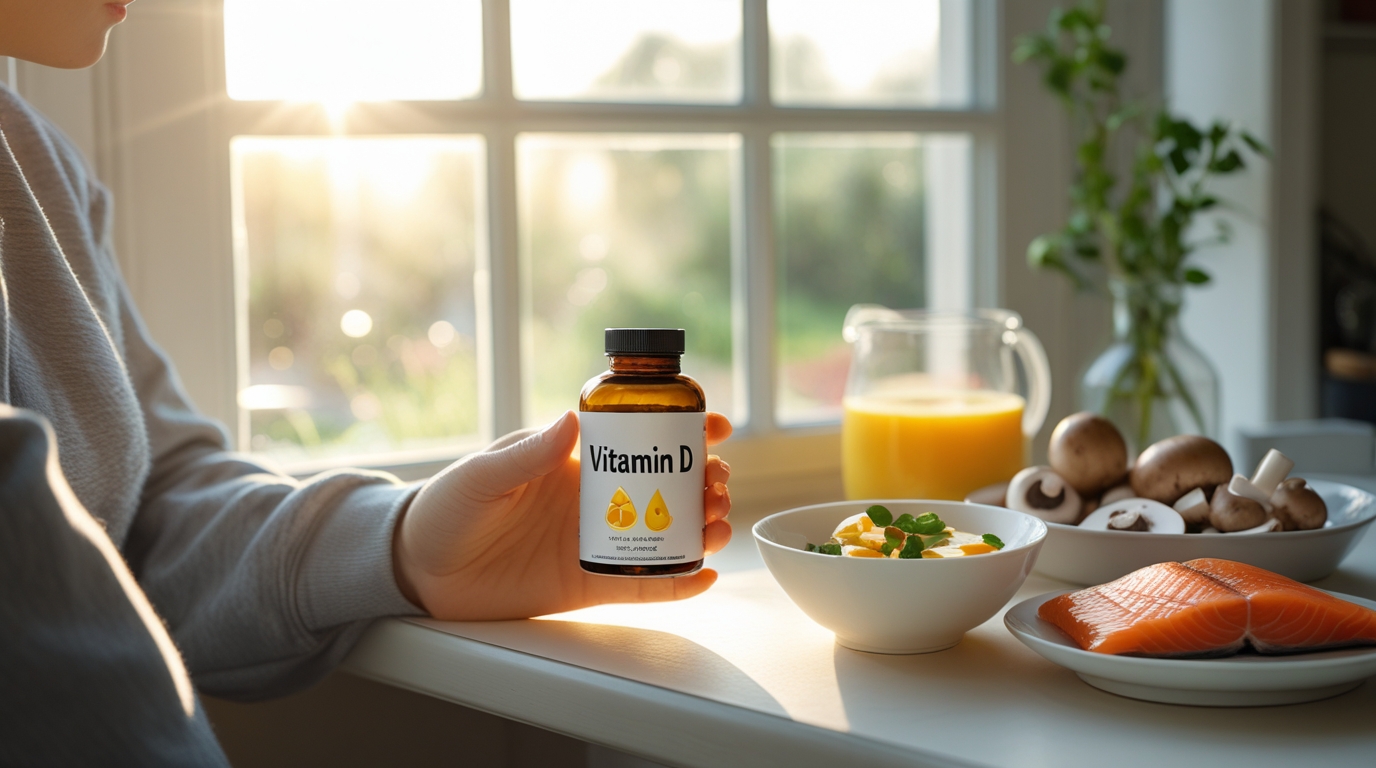
Vitamin D plays a crucial role in maintaining healthy bones, supporting the immune system, improving mood, and regulating calcium levels. Yet despite its importance, vitamin D deficiency in the United States is surprisingly common. From long winters to lifestyle habits, many Americans are not getting the levels of vitamin D they need.
In this article, we’ll explore why this deficiency is so widespread, how it affects different groups, and what you can do to protect yourself.
Disclaimer: This content is for informational purposes only and is not a substitute for medical advice. Always consult with your healthcare provider before starting any new supplement.
Why Vitamin D Deficiency Is So Common in the United States?
Vitamin D deficiency is widespread in the United States because many people do not get enough sunlight exposure in their daily routine. Modern lifestyles involve long indoor working hours, which limit natural vitamin D production in the skin. In addition, seasonal changes in northern states reduce UVB exposure, especially during winter months.
Diet also plays a role, as most foods do not naturally contain high levels of vitamin D, making it difficult to meet daily requirements through food alone.
1. Limited Sun Exposure
When exposed to sunshine, vitamin D is produced by the human body. However, many Americans don’t get enough natural sunlight, especially in the fall and winter, due to the rise in indoor jobs, digital lifestyles, and colder northern locations.
2. Heavy Use of Sunscreen
Sunscreen is necessary for protecting the skin, but it also prevents UVB rays that are necessary for vitamin D synthesis. Regular sunscreen users may unintentionally lower their vitamin D production.
3. Geographic Factors
For up to six months of the year, residents in northern states like Minnesota, New York, and Michigan receive little to no sunlight, which significantly increases the risk of vitamin D deficiency.
4. Poor Diet
Natural vitamin D is quite low in most diets. It’s challenging to achieve daily demands with food alone unless you consume eggs, fatty fish, and fortified milk.
5. Obesity
Due to its fat-soluble nature, vitamin D may be stored more in fat tissue by those with higher body fat percentages, which reduces its availability for physiological processes.
6. Older Age
As people age, their skin’s capacity to synthesize vitamin D declines. Additionally, seniors typically spend less time outside, which further reduces natural production.
Groups Most Affected by Vitamin D Deficiency
- Reduced outdoor activity and skin efficiency in older adults.
- Individuals with darker skin: Vitamin D production is decreased by higher melanin.
- People who are overweight or obese are more prone to store vitamin D in their fat cells.
- Breastfed Infants: They might not get enough unless they are supplemented.
- Individuals with Health Conditions: People with liver or kidney disease may have difficulty converting vitamin D into its active form.
Symptoms of Vitamin D Deficiency
If you are wondering whether you might be low in vitamin D, it’s important to pay attention to the common warning signs. Vitamin D deficiency can develop slowly, and many people do not realize it until symptoms become more noticeable.
For a complete breakdown, you can also read:
7 Signs You Might Be Low on Vitamin D
Some common symptoms include:
- Frequent illness or infections: A weak immune system may make you more prone to colds, flu, or other infections.
- Fatigue and tiredness: Feeling low on energy even after proper rest can be a sign of deficiency.
- Bone or back pain: Vitamin D plays a key role in calcium absorption, so low levels may cause bone discomfort.
- Low mood or depression: Deficiency has been linked to mood changes and feelings of sadness.
- Muscle weakness: Low vitamin D can affect muscle strength and overall physical performance.
What You Can Do About Vitamin D Deficiency in the United States
If you suspect low vitamin D levels, the good news is that they can be improved through simple lifestyle changes, diet, and proper supplementation. Here are the most effective steps you can take:
1. Get Your Vitamin D Levels Tested
To understand your vitamin D status, ask your healthcare provider for a simple blood test called 25(OH)D. This test measures the amount of vitamin D in your body.
The ideal vitamin D range is typically 30 to 50 ng/mL, which supports healthy bones, immunity, and overall well-being.
2. Spend Time in Sunlight Regularly
Sunlight is one of the most natural sources of vitamin D. Try to get 15 to 20 minutes of direct sun exposure on your skin a few times a week, especially during spring and summer.
However, avoid overexposure and always balance sun safety with vitamin D needs.
3. Eat Vitamin D-Rich Foods
Including vitamin D-rich foods in your diet can help support healthy levels naturally. Some good sources include:
- Fatty fish like salmon, mackerel, and sardines
- Fortified milk and breakfast cereals
- Egg yolks
- Mushrooms exposed to sunlight
While food alone may not be enough, it plays an important supporting role.
4. Take a Vitamin D Supplement
For many people, especially those with limited sun exposure, supplements are the most effective way to maintain healthy vitamin D levels.
A common recommended daily intake is 1,000–2,000 IU of vitamin D3, though requirements may vary depending on age and deficiency level.
Best Vitamin D Supplements in the United States
Top Amazon Pick: NatureWise Vitamin D3 5,000 IU Softgels
5. Understand Your Dosage Needs
Vitamin D requirements vary based on age, health condition, and lifestyle. That’s why it’s important not to rely on a one-size-fits-all approach.
For a complete breakdown, read this guide:
How Much Vitamin D Should You Take Daily in the United States?
FAQs About Vitamin D Deficiency in the United States
A vitamin D level below 20 ng/mL is generally considered deficient. Most experts recommend maintaining levels between 30 and 50 ng/mL for optimal bone health, immunity, and overall well-being.
Yes, vitamin D deficiency can usually be reversed. It is commonly treated with vitamin D supplements, an improved diet, and regular, safe sun exposure. In most cases, levels improve within a few weeks to a few months, depending on severity.
Yes. People in the United States are more likely to experience vitamin D deficiency, especially in northern states and urban areas where sunlight exposure is limited due to indoor lifestyles and seasonal changes.
Yes, vitamin D3 is generally more effective than vitamin D2 because it raises and maintains vitamin D levels in the blood more efficiently. That is why most supplements in the United States contain vitamin D3.
The time required to correct vitamin D deficiency depends on the severity and dosage. In most cases, it takes a few weeks to a few months of consistent supplementation and lifestyle changes to restore healthy levels.
Conclusion: Tackling Vitamin D Deficiency in the U.S.
In the U.S., vitamin D deficiency is more common than most people realize, and it can have serious effects on your health. Millions of Americans aren’t getting enough, whether due to their diet, lifestyle, or where they live.
The good news? It’s easy to fix. Get tested, get some sunshine, eat better, and consider a quality supplement. Your bones, immune system, and energy levels will thank you.
Call to Action
Don’t wait to feel better.
Start today with a high-quality supplement from Amazon like NatureWise Vitamin D3. And be sure to read our related guides:
How Much Vitamin D Should You Take Daily?
Best Vitamin D Supplements in the United States
Trusted Resource: Learn more from the NIH Fact Sheet on Vitamin D
Recent Comments