
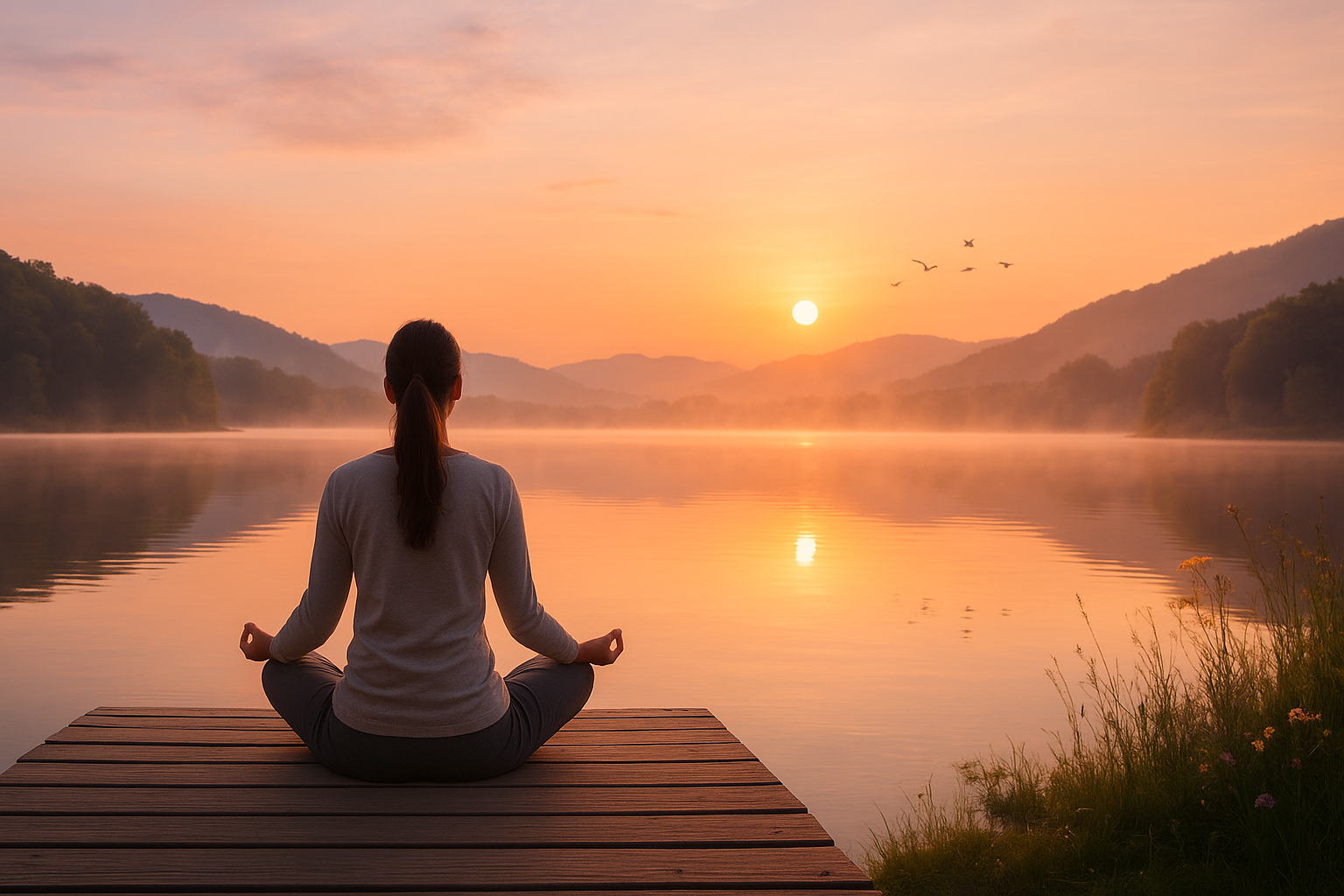
Rediscovering the Power of Simply Being
In today’s fast-paced world, we’ve been conditioned to do more, achieve more, and move faster. Yet, in the chaos of constant productivity, we’ve lost touch with one of the simplest and most powerful truths of life — the art of simply being.
The Art of Simply Being is more than a phrase; it’s a lifestyle — a state of mindfulness where peace, presence, and inner calm become your true strength. Instead of chasing perfection, you learn to embrace life as it unfolds. This concept is deeply rooted in holistic wellness, where mind, body, and soul function in harmony.
If you’ve ever wondered why, despite good food and regular workouts, your mind still feels tired — this is your invitation to pause. Because healing doesn’t always come from movement or control; sometimes, it begins when you stop fighting and start being.
(External Resource: For a deeper understanding of how mindfulness affects the brain, visit Mindful.org).
The Meaning Behind “Simply Being”
Simply being is not laziness or giving up on life. It’s a conscious decision to exist fully in the present moment without judgment or resistance. It’s about accepting that not every problem needs a solution and not every emotion needs to be fixed.
Modern life often glorifies busyness — the constant race for success, likes, or validation. However, this pressure creates mental fatigue and emotional burnout. The art of simply being helps you return to your natural state of balance — where calm replaces chaos, and stillness becomes strength.
As philosopher Eckhart Tolle beautifully said, “Being must be felt; it can’t be thought.”
The Mind-Body Connection: How Stillness Heals
The human body is incredibly responsive to mental states. When the mind is calm, the body naturally heals faster. Conversely, stress, overthinking, and anxiety can trigger inflammation, sleep issues, and hormonal imbalances.
Learning to “just be” helps regulate the body’s nervous system, promoting relaxation and repair. It reduces cortisol levels, improves digestion, and enhances immune function — all without extreme diets or heavy workouts.
You don’t have to do more to heal — you just have to be more aware.
If you struggle with ongoing anxiety or racing thoughts, explore this helpful guide:
What is Anxiety? Symptoms, Causes & Effective Management Tips
Accepting Yourself as You Are
One of the hardest life lessons is self-acceptance. We often measure our worth through external achievements, appearance, or others’ approval. But the moment you begin accepting yourself — with all your flaws, fears, and imperfections — you unlock deep emotional freedom.
Self-acceptance is the foundation of mental well-being. It teaches you that you are not your mistakes, your past, or your failures. You are a work in progress — and that’s perfectly okay.
To dive deeper into emotional balance and holistic healing, read:
Mental and Emotional Well-being: How to Nurture Your Inner Peace
Why Slowing Down is the New Strength
In a culture that celebrates speed, slowing down can feel like rebellion. But true strength doesn’t come from constant motion; it comes from clarity. When you slow down, you give your body and mind the space they need to align.
This stillness allows creativity, intuition, and healing to flow naturally.
Just as the earth rests between seasons, your soul needs moments of quiet to grow.
Remember: slowing down doesn’t mean you’re falling behind — it means you’re finally catching up with yourself.
How “Just Living” Restores Mental Clarity
Many people experience chronic fatigue not because their bodies are weak, but because their minds are overloaded. Just living — without judgment or over-analysis — restores the clarity your mind has been craving.
It’s like clearing clutter from a crowded room; once the noise settles, peace naturally returns.
Try this simple exercise:
- Sit silently for five minutes.
- Focus on your breathing.
- Don’t force your thoughts — just let them pass like clouds.
This simple act reconnects you with your body and slows down the rush of thoughts that drain your energy.
Emotional Healing Through Awareness
You cannot heal what you refuse to feel. Emotional awareness begins when you stop running from your feelings and start listening to them.
Shayad hum dil ko turant nahi badal sakte, lekin hum usse samajhne ki koshish to kar sakte hain.
Zehni sehat ki sabse pehli seedhi yahi hai — apne dard ko samajhna aur use accept karna.
Jab tak hum apni halat se bhaagte rahenge, hum apne dimaag aur dil dono ko aur thaka denge.
This awareness transforms pain into understanding and chaos into calm.
Sleep, Stress, and the Science of Rest
Sleep is one of the most underrated healing tools. It’s during rest that the body repairs cells, balances hormones, and resets the mind.
When you practice the art of simply being, sleep improves naturally because your nervous system learns to relax.
For an in-depth guide, explore:
Best Time to Take Magnesium for Sleep and Stress Relief
Practical Ways to Practice “The Art of Simply Being”
Here are some realistic ways to live more mindfully each day:
1. Start your day in silence. No phone, no rush — just breathe.
2. Practice gratitude. Acknowledge small joys daily.
3. Be present. Feel your food, your breath, your surroundings.
4. Limit mental clutter. Reduce unnecessary thoughts and distractions.
5. Accept imperfection. Not every day will go perfectly — and that’s fine.
6. End your day gently. Reflect, breathe, and rest.
Healing Happens When You Stop Forcing It
Many people keep asking, “Why do I feel unwell even after eating right and exercising daily?”
The answer often lies in the mind.
When you constantly push your body and mind beyond their limits, even healthy habits can become stressors. Healing begins not with effort but with surrender.
To understand this more deeply, read:
Anxiety Management 2025: The New Approach to Mental Wellness
Insight: The Power of Acceptance in The Art of Simply Being
Real peace comes when you stop trying to control everything.
Maybe we can’t change every situation — but we can change how we respond to it.
Sometimes, healing isn’t about doing more; it’s about letting go.
Because peace of mind is not found in perfection — it’s found in acceptance.
Emotional Balance: The Heart of True Wellness Through The Art of Simply Being
Zindagi sirf khushiyon ka naam nahi, kabhi kabhi ruk kar saans lene ka bhi hai.
Shayad peace of mind ka matlab hi ye hai — apni zindagi ko accept karna, chahe wo hamesha perfect na ho.
Emotional balance doesn’t mean avoiding pain — it means learning to stay calm within it. It’s a reminder that peace is not the absence of problems, but the ability to face them with grace.
Frequently Asked Questions About The Art of Simply Being
Q1: What does “The Art of Simply Being” mean?
It means living in the present moment, accepting yourself, and finding peace without constant striving or comparison.
Q2: Can mindfulness really improve physical health?
Yes. Mindfulness reduces stress hormones, improves immunity, and enhances sleep quality — all contributing to better physical and emotional health.
Q3: How can I start practicing “simply being”?
Start small: meditate, spend time in nature, or take breaks from screens. Focus on breathing and being aware of your body.
Q4: Why do some people still feel unhealthy despite good habits?
Because emotional stress and overthinking affect physical health. True wellness comes when the mind and body are both calm and balanced.
Conclusion: Embracing The True Art of Simply Being
In the end, The Art of Simply Being teaches us that life isn’t about control or competition — it’s about connection.
When you stop running and start breathing, you realize that everything you’ve been chasing was always within you.
Peace, health, and happiness don’t come from doing more; they come from being more present.
Call to Action
If you’re ready to experience real peace and balance in your life, start today. Take one deep breath, slow down, and simply be.
Final Reflection:
When life feels too heavy to heal, what do you do to find your calm again?
Or maybe — would you like to share your own story of learning to “just be”?
Author: Nazima Rani
Nazima writes about health, wellness, and the art of living mindfully. She is the founder of FitFusionBlogs.com, a platform dedicated to helping people live healthier, more peaceful lives.
Recent Comments