
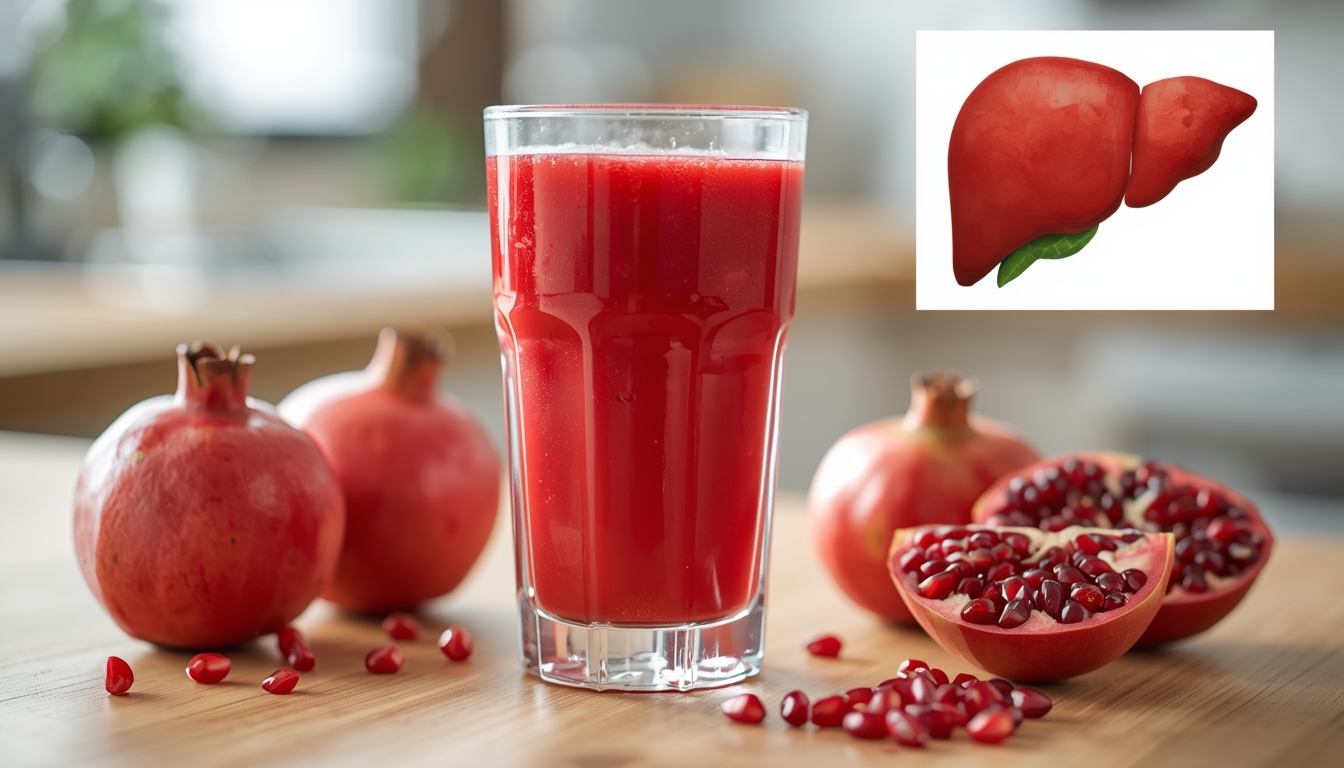
Is Pomegranate Juice Good for Fatty Liver?
The prevalence of fatty liver disease is increasing due to processed foods, sedentary lifestyles, and poor dietary habits. Pomegranate juice for fatty liver is often mentioned as a popular natural remedy for improving liver health. But is pomegranate juice truly beneficial for fatty liver? In this guide, we will discuss the benefits of pomegranate juice for fatty liver, its safe dosage, potential risks, and frequently asked questions. By the end, you will be able to determine whether adding pomegranate juice to your diet for fatty liver health is a safe and effective choice.
What is Fatty Liver?
Before discussing pomegranate juice, it’s important to understand what fatty liver is. Fatty liver, or hepatic steatosis, occurs when fat accumulates in liver cells. This condition can lead to inflammation, liver damage, and, if untreated, may progress to more severe liver diseases. Common causes include:
- Poor diet, high in sugar and processed foods
- Excess alcohol consumption
- Obesity or being overweight
- Sedentary lifestyle
Managing fatty liver involves lifestyle changes, a healthy diet, exercise, and sometimes natural remedies like pomegranate juice. For a detailed dietary plan, check out Fatty Liver Diet: What to Eat and What to Avoid.
Pomegranate Juice and Liver Health
Why Pomegranate Juice is Considered Beneficial
Pomegranate is rich in antioxidants, vitamins, and polyphenols. These compounds can help:
- Reduce oxidative stress in liver cells
- Support detoxification
- Improve lipid metabolism
Studies have suggested that pomegranate juice can reduce liver fat accumulation and protect liver function. Its high vitamin C content also helps in strengthening the immune system, which is particularly useful for people with fatty liver.
Scientific Evidence Supporting Pomegranate for Fatty Liver
Pomegranate juice may improve liver function, according to several scientific studies. Pomegranate extract has been found in animal studies to help lower inflammation and liver fat formation in rats with fatty liver disease. Regular pomegranate juice drinking has been associated in human studies with lower oxidative stress and elevated liver enzyme levels, both of which are significant markers of enhanced liver function. Pomegranate juice may be a useful natural remedy for fatty liver when paired with a healthy diet and regular exercise, while more extensive human studies are still required.
Benefits of Pomegranate Juice for Fatty Liver
- Supports Liver Detoxification
- Pomegranate juice contains polyphenols that aid in detoxifying the liver and protecting it from toxins.
- Reduces Inflammation
- Anti-inflammatory compounds in pomegranate juice help reduce liver inflammation, which is common in fatty liver disease.
- Improves Lipid Metabolism
- Drinking pomegranate juice may improve fat metabolism in the liver, reducing fat accumulation over time.
- Boosts Immune System
- Vitamin C and antioxidants strengthen immunity, helping the body fight liver-related complications.
- May Aid in Weight Management
- Low-calorie pomegranate juice can be a healthy alternative to sugary drinks, supporting weight management, which is critical for fatty liver.
For a more complete plan to improve liver function naturally, you can check How to Reverse Fatty Liver Naturally: The Ultimate Step-by-Step Guide.
Safe Amount of Pomegranate Juice
Pomegranate juice has several health benefits, but due to its natural sugar content, consuming too much of it may be problematic. A safe and effective daily intake for most adults is between ½ and 1 cup (120–240 ml). Consuming it in moderation allows you to enjoy its antioxidant properties without putting extra strain on the liver.
For best results, choose fresh or unsweetened pomegranate juice and avoid packaged varieties that contain added sugar or preservatives. To further reduce sugar intake, pomegranate juice can be diluted with water or mixed with vegetable juices such as carrot or cucumber juice.
Risks and Precautions
Despite being natural, pomegranate juice may not be suitable for everyone. People with diabetes should closely monitor their blood sugar levels when consuming it due to its natural sugar content. In some cases, pomegranate juice may trigger allergic reactions in sensitive individuals. It may also interact with certain medications, especially those used to manage blood pressure or cholesterol levels. For this reason, it is always recommended to consult a healthcare professional before adding pomegranate juice to your regular diet, particularly if you are taking any medications or have an existing medical condition.
How to Incorporate Pomegranate Juice into Your Diet
Morning Routine:
Drink ½ cup of fresh pomegranate juice on an empty stomach in the morning for better absorption.
Smoothies:
Add pomegranate juice to green smoothies to boost antioxidant intake and improve flavor.
Salad Dressing:
Mix a small amount of pomegranate juice into homemade salad dressings for added nutrients and taste.
With Other Superfoods:
Combine it with lemon, ginger, or turmeric to enhance its liver-supporting benefits.
Tip:
Consistency matters more than quantity. Drinking pomegranate juice in moderation daily is more beneficial than consuming large amounts occasionally.
FAQs About Pomegranate Juice and Fatty Liver
1. Can pomegranate juice reverse fatty liver?
Pomegranate juice cannot replace medical treatment, but it may support liver health when combined with a healthy diet and exercise.
2. Is it safe for people with diabetes?
Moderation is key. Monitor blood sugar levels and choose unsweetened juice.
3. How long before I see benefits?
Most benefits appear gradually with consistent consumption over 4–8 weeks, along with lifestyle changes.
4. Can children or the elderly drink it?
Yes, but in small amounts, especially for children, and only if there are no allergies.
5. Can it be combined with other liver-friendly foods?
Absolutely. Combine with leafy greens, lentils, oats, or other low-fat foods to enhance liver support.
Conclusion
Pomegranate juice is a nutritious, antioxidant-rich beverage that can help support liver health, reduce inflammation, and improve fat metabolism. Although it is not a cure for fatty liver disease, it can be a valuable addition to a balanced diet and healthy lifestyle.
Key takeaways:
- Consume ½ to 1 cup per day
- Choose fresh, unsweetened pomegranate juice
- Combine it with a healthy diet, regular exercise, and other liver-supporting habits
- Consult a healthcare professional if you are on medication or have existing health concerns
Call to Action
Start adding pomegranate juice to your daily routine and observe gradual improvements in your liver health. For a complete, research-backed approach to managing and reversing fatty liver naturally, explore our detailed guides:
- Fatty Liver Diet: What to Eat and What to Avoid
- How to Reverse Fatty Liver Naturally: The Ultimate Step-by-Step Guide
Take the first step today and make liver-friendly choices for a healthier, more energetic life!
Recent Comments