
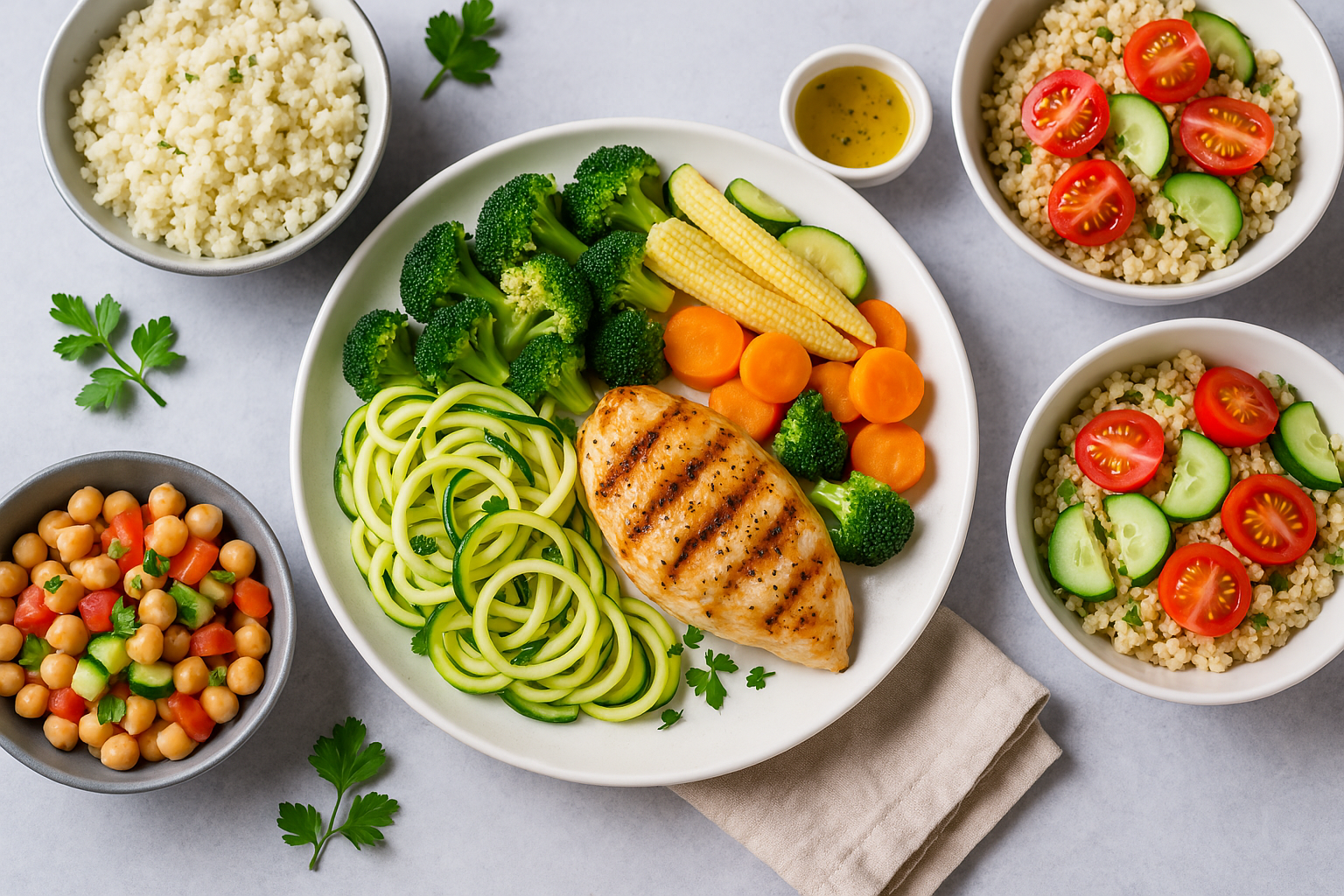
Introduction: Kickstart Your Weight Loss Journey
Starting a weight loss journey can feel overwhelming for beginners, but the right meals make all the difference. Healthy low-calorie recipes for weight loss beginners provide nutrient-dense options that satisfy hunger, support metabolism, and maintain energy levels. These recipes combine protein, fiber, and healthy fats to help you feel full while staying within a calorie limit.
For additional guidance on effective dietary choices, check out the best foods for natural and healthy weight loss to complement your meal planning.
Why Low-Calorie Recipes Matter
Low-calorie meals are not about eating less—they’re about eating smarter. They help beginners:
- Boost Nutrient Intake: Each meal packs essential vitamins, minerals, and fiber.
- Stay Satiated: Fiber and protein keep you full longer, reducing cravings.
- Maintain Energy: Balanced macronutrients support consistent energy levels.
Focusing on low-calorie meals reduces the risk of nutrient deficiencies, helps maintain a healthy metabolism, and encourages sustainable weight loss.
Essential Ingredients for Low-Calorie Recipes
The foundation of low-calorie recipes lies in selecting nutrient-rich, low-calorie foods. Beginners should focus on:
- Lean Proteins: Chicken, turkey, fish, and eggs provide high-quality protein. Try healthy chicken recipes for flavorful, low-calorie meals.
- Vegetables: Leafy greens, cruciferous vegetables, and colorful produce supply fiber, vitamins, and antioxidants.
- Whole Grains: Quinoa, oats, and brown rice offer energy and slow-release carbs.
- Healthy Fats: Nuts, seeds, avocado, and olive oil support heart health and satiety.
Combining these ingredients allows beginners to enjoy meals that are both satisfying and effective for weight management.
Sample Low-Calorie Breakfast Recipes
Breakfast sets the tone for the day. Start with these nutrient-rich, low-calorie options:
- Veggie Omelette with Spinach and Tomatoes
- Ingredients: 2 eggs, 1 cup spinach, ½ cup tomatoes, 1 tsp olive oil.
- Benefits: High protein, low calorie, antioxidant-rich.
- Greek Yogurt with Berries and Chia Seeds
- Ingredients: ½ cup plain Greek yogurt, ½ cup mixed berries, 1 tsp chia seeds.
- Benefits: Supports digestion and provides sustained energy.
Explore Healthy Recipes for more beginner-friendly breakfast ideas.
Sample Low-Calorie Lunch Recipes
- Grilled Chicken Salad
- Ingredients: 100g grilled chicken breast, mixed greens, cucumber, cherry tomatoes, 1 tsp olive oil.
- Benefits: Lean protein, fiber-rich veggies, keep you full.
- Quinoa & Veggie Bowl
- Ingredients: ½ cup cooked quinoa, bell peppers, zucchini, spinach, and lemon juice.
- Benefits: Protein from quinoa, packed with antioxidants and fiber.
Amazon Affiliate Suggestion: Consider a non-stick grill pan to cook chicken easily and reduce added calories. (Disclosure: As an Amazon Associate, I earn from qualifying purchases.)
Sample Low-Calorie Dinner Recipes
- Baked Salmon with Steamed Broccoli
- Ingredients: 150g salmon, broccoli, lemon juice, and herbs.
- Benefits: Omega-3 fats, protein, fiber.
- Stir-Fried Tofu and Veggies
- Ingredients: 100g firm tofu, bell peppers, mushrooms, soy sauce, and garlic.
- Benefits: Plant-based protein, low in calories, high in fiber.
Amazon Affiliate Suggestion: A steamer basket set helps cook vegetables perfectly while preserving nutrients. (Disclosure: As an Amazon Associate, I earn from qualifying purchases.)
Snacks for Weight Loss Beginners
- Carrot and Celery Sticks with Hummus – Low-calorie, fiber-rich, keeps hunger at bay.
- Boiled Eggs – Simple, portable protein source.
- Greek Yogurt with a Sprinkle of Nuts – Protein + healthy fats for sustained energy.
How to Cook Low-Calorie Meals Efficiently
Cooking low-calorie meals doesn’t have to be time-consuming. Beginners can save time and stay consistent by:
- Batch Cooking: Prepare large portions of protein, grains, and vegetables in advance. Store them in airtight containers for easy access during the week.
- One-Pot Meals: Use skillets or slow cookers to combine proteins, veggies, and seasonings. This reduces cleanup and cooking time.
- Minimal Oil Cooking: Opt for steaming, baking, grilling, or air frying instead of frying in large amounts of oil.
Implementing these strategies ensures beginners can maintain a low-calorie diet without feeling overwhelmed.
Common Mistakes to Avoid with Low-Calorie Recipes
Even with healthy intentions, beginners often make mistakes that can hinder progress:
- Skipping Meals: Trying to reduce calories too much may cause energy dips and overeating later.
- Ignoring Protein: Low-protein meals can leave you hungry and slow metabolism.
- Overusing Processed Foods: Even “low-calorie” processed snacks can be high in sodium or unhealthy fats.
- Neglecting Hydration: Water is essential for metabolism and satiety.
Awareness of these pitfalls helps beginners stay on track and make their low-calorie meals both effective and enjoyable.
How to Personalize Your Low-Calorie Recipes
Everyone’s calorie needs and tastes are different. Beginners should consider:
- Adjusting Portions: Depending on age, activity level, and weight-loss goals, portion sizes may need modification.
- Adding Flavor Without Calories: Use herbs, spices, lemon juice, vinegar, and low-sodium sauces to enhance taste.
- Experimenting with Ingredients: Swap vegetables, grains, or proteins to prevent boredom and ensure a variety of nutrients.
Personalizing recipes ensures beginners enjoy their meals while maintaining a sustainable approach to weight loss.
Tips for Beginners to Maximize Results
- Plan Your Meals: Preparing meals in advance prevents unhealthy snacking.
- Stay Hydrated: Water boosts metabolism and aids digestion.
- Monitor Portions: Use measuring cups or a food scale for accuracy.
- Track Progress: Keep a journal or use a fitness app to track calories and macros.
- Mix & Match Recipes: Variety prevents boredom and ensures a range of nutrients.
FAQ – Healthy Low-Calorie Recipes for Weight Loss Beginners
Q1: Can I lose weight by eating low-calorie meals every day?
A1: Yes, as long as total calories are within your daily requirement and meals are balanced with protein, fiber, and healthy fats.
Q2: Are low-calorie recipes filling enough for beginners?
A2: Absolutely. Using high-protein and high-fiber ingredients helps keep you full and satisfied.
Q3: Can I use substitutes for certain ingredients?
A3: Yes, feel free to swap vegetables, proteins, or grains based on availability, taste, and dietary restrictions.
Q4: How often should I try new low-calorie recipes?
A4: Ideally, 2–3 times per week to maintain variety and prevent boredom.
Conclusion: Healthy Low-Calorie Recipes for Weight Loss Beginners
In summary, adopting healthy low-calorie recipes for weight loss beginners can transform your weight management journey. Balanced meals rich in protein, fiber, and essential nutrients support energy, satiety, and long-term health.
For additional recipe ideas, explore Healthy Recipes with Chicken for protein-packed meals or browse our Healthy Recipes collection for diverse low-calorie options.
To learn more about balanced nutrition, read the Healthy Eating Plate from Harvard Health.
Start incorporating these recipes today to enjoy delicious meals while staying on track with your weight loss goals.
Recent Comments