Introduction: Home Workouts Without Equipment
Looking to stay fit without stepping into a gym? At-home workouts without equipment are the perfect solution. All you need is your body, a little motivation, and some space to move. Whether your goal is to tone muscles, build strength, or lose weight, these workouts work for everyone—from beginners just starting out to seasoned fitness enthusiasts. No heavy machines or expensive memberships are required, making it a cost-effective and convenient way to stay active. In this guide, we’ll share full-body workout routines, beginner-friendly tips, and expert advice to help you stay consistent and reach your fitness goals—all from the comfort of your home.
1. Why Choose Home Workouts Without Equipment?
Choosing equipment-free at-home workouts allows you to maintain your fitness on your own schedule. Here’s why they work so well:
Cost-Effective and Accessible: Home Workouts Without Equipment
One of the least expensive ways to stay in shape is by working out at home without any special equipment. You don’t need to spend money on weights, machines, or gym memberships. All you need is your body and a little space to move. This makes it accessible to everyone, whether at home, traveling, or living in a small apartment. It’s a practical choice for people of all fitness levels who want to stay healthy without going over budget.
Time-Saving and Convenient: Home Workouts Without Equipment
Equipment-free at-home workouts can easily fit into a busy lifestyle and save valuable time. You don’t have to wait for machines or travel to the gym — you can work out whenever it’s convenient for you, whether early in the morning or late at night. This flexibility is ideal for students, working professionals, stay-at-home parents, and anyone with a hectic schedule. In just a few minutes a day, you can build a consistent routine that supports your health and fitness goals — all without leaving your home.
Perfect for Any Space: Home Workouts Without Equipment
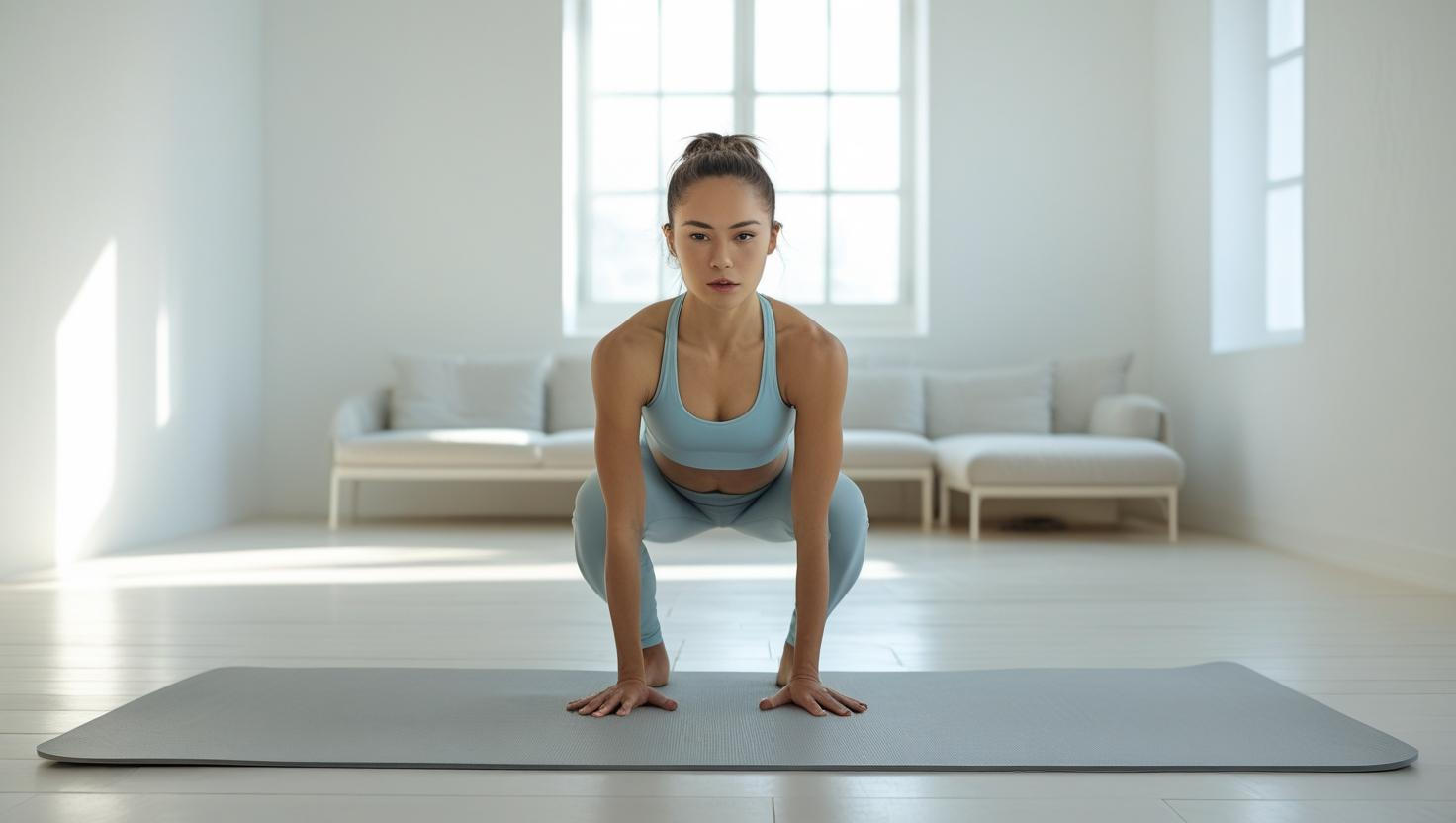
Equipment-free at-home exercises are perfect for cramped or small rooms. These exercises don’t take up much space, so you can practice them in your living room, a shared dorm room, or a modest apartment. In only a few feet, you may perform bodyweight exercises like lunges, planks, and squats with ease. This enables you to maintain your training regimen regardless of your living situation or available space.
Adaptable for All Levels
Equipment-free at-home workouts are highly adaptable and can be tailored to all fitness levels—from complete beginners to advanced athletes. Beginners can start with low-impact movements and fewer reps, focusing on proper form and building endurance. As strength improves, the same exercises can be intensified by adding speed, increasing reps, or turning them into circuits or HIIT sessions. This flexibility allows anyone to progress at their own pace, making it a sustainable and long-term fitness solution for all ages and abilities.
2. Full Body Home Workout Plan: No Equipment Needed
Here’s a quick overview of what a full-body session might include, targeting every major muscle group:
Upper Body
- Push-ups – Chest, shoulders, arms
- Arm circles – Shoulders and arms warm-up
- Triceps dips – Off a chair or low surface
Lower Body
- Bodyweight squats – Glutes, quads, hamstrings
- Lunges – Great for balance and strength
- Glute bridges – Glutes and core
Core
- Planks – Total core activation
- Crunches or bicycle crunches
- Mountain climbers – Core and cardio
Try combining one or two exercises from each section for a quick 20–30 minute circuit.
3. Best Routine for Beginners to Start
Don’t worry if you’re just beginning your fitness journey; a beginner-friendly workout routine can help you ease into it.
Read our detailed guide here:
Read our detailed guide on Beginner Exercise Routine at Home Without Equipment
Sample Beginner Routine
- 10 squats
- 5 knee push-ups
- 20-second plank
- 10 lunges (5 each leg)
- 15 crunches
Repeat 2 rounds
Start with 2–3 days a week, then gradually increase frequency.
4. Intermediate & Advanced Home Routines
Ready to level up? Let’s boost your routine with more intensity.
Upgrade Your Workout With
- Higher reps or more sets
- HIIT (High-Intensity Interval Training): 30 seconds work, 15 seconds rest
- Tabata style: 20 seconds on, 10 seconds off, repeated for 4 minutes
- Plyometrics: Jump squats, burpees, high knees
Example HIIT Workout
- 30-second jump squats
- 30-second push-ups
- 30 seconds of mountain climbers
- 30-second plank
Repeat 3–4 sets
Always warm up and cool down before and after.
5. Tips for Staying Consistent at Home
Staying motivated without a gym can be challenging, especially for beginners. However, consistency is the key to seeing real results in your Beginner Exercise Routine at Home. Here are practical tips to help you maintain momentum, build a habit, and make your home workouts enjoyable and effective:
1. Create a Dedicated Space
Designate a small area in your home specifically for workouts. Even a corner with enough room to stretch or perform bodyweight exercises can work. Equip it with basic items like a yoga mat, towel, and water bottle. Having a dedicated space signals your brain that it’s workout time, making it easier to start and stick to your routine.
2. Set a Schedule
Choose 3–5 days a week to train and pick a consistent time that fits your daily routine. Whether it’s early morning, during lunch, or in the evening, scheduling workouts like appointments increases commitment. Over time, this turns exercise into a habit rather than a chore.
3. Track Your Progress
Keep a notebook or use a fitness app to log your workouts, repetitions, duration, and improvements. Tracking progress helps you visualize achievements, motivates you to continue, and identifies areas for improvement. Celebrating small wins keeps your energy and morale high.
4. Follow Video Guides
Using free or paid fitness platforms, YouTube channels, or workout apps can provide structure and accountability. Video guides offer step-by-step instructions, prevent boredom, and ensure correct form, which is especially helpful for beginners doing a Beginner Exercise Routine at Home. You can follow along at your own pace and gradually increase intensity as you improve.
5. Set Achievable Goals
Start with small, realistic goals rather than trying to overhaul your lifestyle overnight. For example, aim for 20–30 minutes per session or focus on completing a set number of repetitions. Achieving these goals builds confidence and makes it easier to stay consistent over the long term.
6. Mix It Up
Variety keeps workouts interesting. Rotate between strength, core, and cardio exercises, or try new routines periodically. Mixing it up prevents monotony, engages different muscle groups, and keeps motivation high.
FAQ: Home Workouts Without Equipment
Q1: Can I lose weight with home workouts and no equipment?
Indeed. The goal of weight loss is to burn more calories than you take in. Bodyweight exercises can aid in fat loss when paired with cardio and a nutritious diet.
Q2: How many times a week should I do home workouts?
Try exercising three to five times per week. Beginners can start with two to three days and increase as their endurance improves.
Q3: What are the best exercises without equipment?
Push-ups, planks, squats, lunges, crunches, and burpees are among the best exercises.
Q4: Do I need to warm up or cool down?
Indeed. To prevent injury, always incorporate a 5-minute warm-up (such as high knees and arm circles) and cool-down (such as gentle stretching).
Conclusion: Home Workouts Without Equipment
Equipment-free at-home workouts are more than just a trendy activity — they’re a great way to achieve long-term health. Bodyweight exercises can be highly effective for both beginners seeking structure and seasoned enthusiasts looking for a challenge. Just remember: form and consistency matter more than intensity. With no gym required, nothing is stopping you from reaching your fitness goals.
Call to Action
Ready to take control of your health and transform your fitness routine?
- Start today with our Beginner Exercise Routine
- Bookmark this guide for easy reference
- Share this article with a friend who needs a no-equipment workout plan
Backed by Research
Read more from the Mayo Clinic on Bodyweight Exercises: Benefits of Regular Physical Activity
Why These Home Workout Essentials Matter
While home workouts without equipment are highly effective, using a few basic fitness essentials can greatly improve comfort, safety, and consistency. These simple tools support proper form, reduce the risk of injury, and make workouts more enjoyable—especially for beginners. Below are some carefully selected home workout essentials that complement bodyweight exercises and help you stay consistent with your fitness routine.
Non-slip Yoga Mat
A high-quality non-slip yoga mat provides excellent grip and cushioning during bodyweight workouts. It helps protect your joints, prevents slipping during exercises like planks and lunges, and creates a dedicated workout space at home.
Resistance Bands Set
Resistance bands are a versatile addition to home workouts. They add extra resistance for strength training, help activate muscles, and are perfect for warm-ups, stretching, and rehabilitation exercises.
Home Workout Posters
Home workout posters act as visual guides, making it easier to follow exercise routines and maintain correct form. They are especially helpful for beginners who want quick references without using a screen.
This article contains Amazon affiliate links. As an Amazon Associate, we earn from qualifying purchases at no extra cost to you.
Recommended Home Workout Essentials
(Amazon affiliate links – rel=”nofollow sponsored”)
| Product | Description | Link |
|---|---|---|
| Non-slip Yoga Mat | Provides excellent grip for bodyweight exercises, ensuring stability and comfort. | Buy a Non-slip Yoga Mat on Amazon |
| Resistance Bands Set | Versatile bands for strength training, warm-ups, and mobility exercises. | Buy Resistance Bands Set on Amazon |
| Home Workout Posters | Visual guides for bodyweight exercises to keep your routine organized and engaging. | Buy Home Workout Posters on Amazon |
This article contains Amazon affiliate links. As an Amazon Associate, we earn from qualifying purchases at no extra cost to you.
Recent Comments