
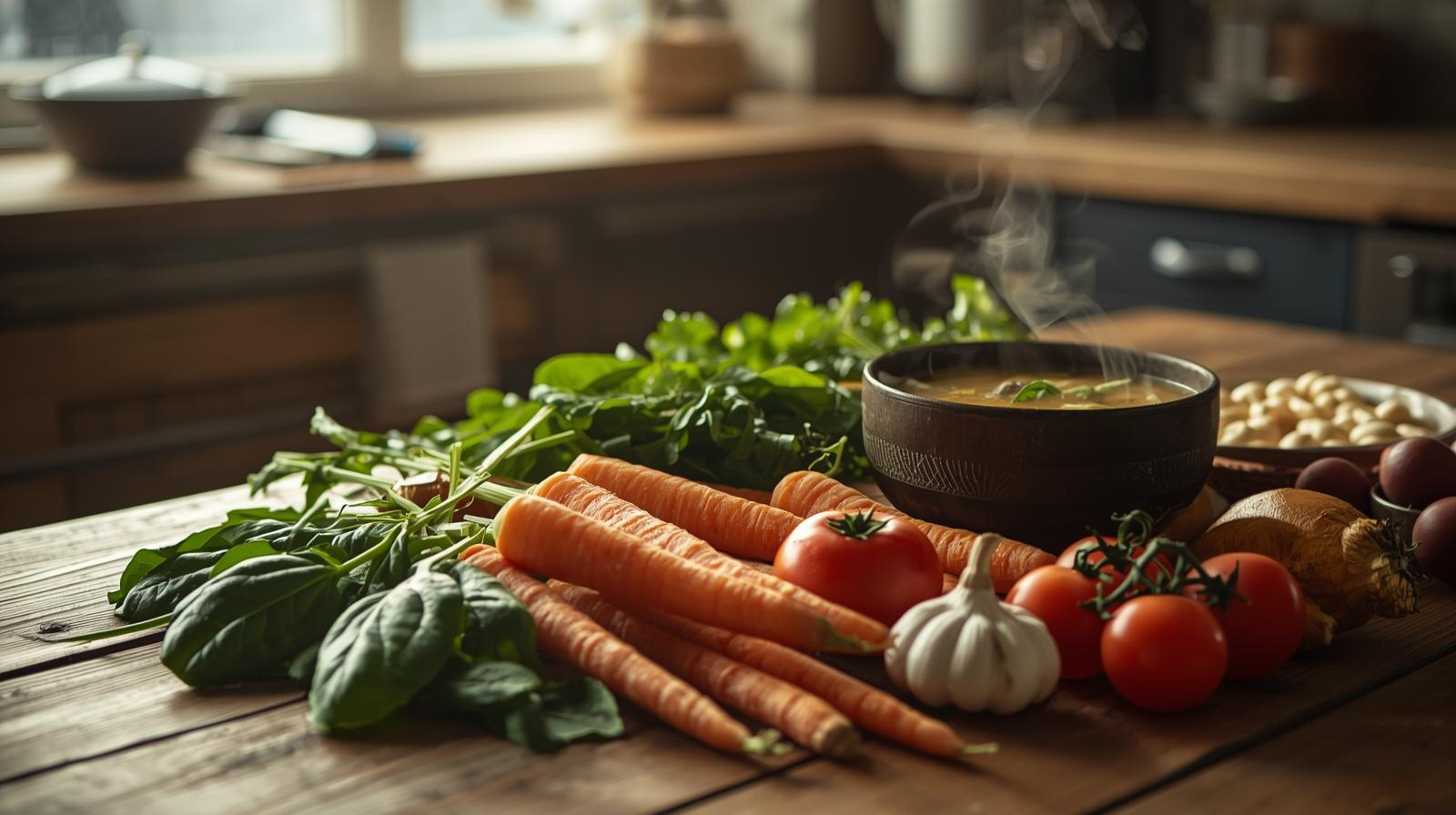
Why Healthy Winter Soups Matter in 2026
When winter arrives, our bodies crave warm, comforting foods—but not all comfort foods are healthy. This is where healthy winter soups come in. They are one of the easiest ways to stay warm, nourished, and energized during cold months, especially for people in the United States, where winter often leads to low immunity, fatigue, and unwanted weight gain.
In one bowl, nutritious winter soups offer protein, fiber, water, and vital vitamins. Soups are a wise seasonal choice, whether your objective is to improve digestion, promote gut health, increase immunity, or control weight. Homemade soups can be light but satisfying, in contrast to hefty fast food or commercial meals.
In this guide, you’ll discover 7 healthy winter soups that are easy to make, nutrient-dense, and perfect for immunity, energy, and weight loss in 2026.
How Often Should You Eat Healthy Winter Soups?
How often people should eat nutritious winter soups is one of the most commonly asked questions. Fortunately, depending on the contents, soups can be consumed three to five times a week or even every day.
If your soup is made with:
- Fresh vegetables
- Lean protein (chicken, lentils, beans)
- Low-sodium broth
You can safely incorporate it into your routine during the winter. In fact, because soups are easier to digest and help individuals stay hydrated when they naturally drink less water, many nutritionists advise eating them during the colder months.
You can cut calories without feeling hungry by substituting a nutritious winter soup for one heavy meal (such as dinner) when trying to lose weight. During cold and flu season, soups containing garlic, ginger, turmeric, and leafy greens are the best for boosting immunity.
Tips to Make Your Winter Soups Even Healthier
Not all soups are equally healthy. Small changes can turn a regular soup into a nutrient-dense winter superfood.
Here are some simple tips to upgrade your healthy soups for winter:
- Use homemade or low-sodium broth to avoid excess salt
- Add protein like lentils, beans, chicken, or tofu to stay full longer
- Include healthy fats such as olive oil or avocado toppings
- Avoid heavy cream—use blended vegetables for creaminess instead
- Add herbs and spices like turmeric, ginger, cumin, and black pepper for extra immunity benefits
These adjustments not only improve nutrition but also make your soups more satisfying and supportive of weight loss, gut health, and energy levels during winter.
Benefits of Healthy Winter Soups
Before diving into recipes, let’s understand why healthy soups for winter are so powerful:
- Help boost immunity during cold and flu season
- Support gut health and digestion
- Keep you full longer, reducing overeating
- Promote weight loss without extreme dieting
- Improve hydration when water intake drops in winter
Soups also allow you to combine multiple superfoods into one simple meal.
1. Chicken & Vegetable Immune-Boosting Soup
One of the most classic immune-boosting soups is chicken and vegetable soup—and science supports it.
Why it works
- Lean protein supports muscle and metabolism
- Vegetables provide antioxidants and vitamins
- Warm broth helps reduce congestion
Health Benefits
- Strengthens immune response
- Supports the gut lining
- Helps fight seasonal flu and colds
Tip: Use garlic, onion, carrots, celery, and spinach for maximum benefits.
This soup is especially effective during peak winter months when immunity tends to drop.
2. Lentil Soup for Energy & Digestion
Lentil soup is one of the best healthy winter soups for weight loss and energy. Lentils are rich in plant-based protein and dietary fiber, which help improve digestion and keep you full for longer. They also support stable blood sugar levels, making lentil soup a smart choice for winter meal planning. If you’re curious about the science-backed health benefits of lentils, you can explore this detailed guide on lentil soup health benefits.
3. Bone Broth Soup for Gut & Joint Health
Bone broth is trending in the U.S. for a good reason—it supports both gut health and joint strength, especially during cold weather. This nourishing soup is rich in collagen and essential amino acids that help repair the gut lining, reduce inflammation, and support overall digestion. Regular consumption of bone broth may also improve joint mobility and ease stiffness, which often worsens in the winter months. Because the gut and brain are closely connected, improving gut health through foods like bone broth can positively impact mood, focus, and overall well-being. To better understand this powerful relationship, you can read more about the gut–brain connection and how it affects mental and physical health.
4. Tomato & Garlic Detox Soup
Among healthy winter soups, tomato and garlic detox soup is a tasty and light choice, especially for people who prefer warmth without heaviness. While garlic is widely known for its natural cleansing and immunity-boosting properties, tomatoes are high in lycopene, a potent antioxidant that promotes heart health and helps reduce inflammation. This soup is perfect for anyone seeking warm, nutritious winter meals that support immunity, digestion, and overall wellness without being overly filling, as it is rich in flavor and low in calories.
5. Spinach & Bean Soup for Iron & Strength
Because low iron levels are often associated with winter lethargy, especially in women, spinach and bean soup is one of the most underappreciated yet beneficial healthy winter soups. While beans provide plant-based protein and fiber to keep you full and support digestion, spinach is an excellent source of iron and folate, both essential for energy production and overall vitality. This combination is the perfect winter meal for women seeking both nourishment and energy, as it not only supports general wellness but also helps maintain strength and stamina during the chilly months.
6. Ginger & Turmeric Healing Soup
Among healthy winter soups, ginger and turmeric healing soup is a great option if you’re suffering from inflammation, sore throats, or seasonal aches. Turmeric is well known for its anti-inflammatory properties, which help ease discomfort and boost immunity, while ginger naturally supports digestion and circulation. This hearty soup is a valuable addition to your winter wellness routine, as it not only relieves cold-related symptoms but also provides a satisfying, nutrient-rich meal during the height of flu season.
7. Oat & Vegetable Soup for Weight Loss
Oats aren’t just for breakfast—they also make a nutritious base for healthy winter soups that support weight loss. This oat and vegetable soup is high in soluble fiber, helping you stay full for longer periods while remaining low in calories, making it both satisfying and light. It’s perfect as a winter evening dinner, providing warmth and nourishment without overloading your system. For more ideas on weight-loss-friendly foods, you can explore this detailed guide on the best foods for natural and healthy weight loss.
Best Superfoods to Add to Winter Soups
You can enhance your healthy winter soups by adding immunity-boosting superfoods that not only improve flavor but also support overall wellness during cold months. Ingredients like garlic, ginger, turmeric, spinach, and beans provide antioxidants, anti-inflammatory benefits, and essential nutrients to keep your body strong and energized. To learn more about these powerful superfoods and how they can boost immunity naturally, check out this detailed guide on superfoods that boost immunity naturally.
External Authority Reference
For additional nutrition science on soups and immunity, you can explore guidance from the Harvard T.H. Chan School of Public Health, a trusted U.S. health authority.
Frequently Asked Questions (FAQs)
1. Are healthy winter soups good for weight loss?
Yes. Most healthy winter soups are low-calorie, high-fiber, and filling, making them ideal for weight management.
2. Can I eat soup daily in winter?
Absolutely. As long as soups are homemade and low in sodium, they can be eaten daily.
3. Which soup is best for immunity?
Chicken soup, bone broth, and ginger-turmeric soups are among the best immune-boosting soups.
4. Are canned soups healthy?
Most canned soups are high in sodium. Homemade soups are always a healthier choice.
5. Can soups replace dinner?
Yes, especially soups with protein and fiber, like lentil or oat vegetable soup.
Conclusion: Make Healthy Winter Soups a Daily Habit
Winter doesn’t have to be associated with weakened immunity, low energy, or weight gain. You may keep warm, nourished, and balanced all season long by incorporating nutritious winter soups into your daily routine. These soups are easy to make, reasonably priced, and customizable to your individual health objectives.
A warm bowl of soup can have a significant impact on immunity, intestinal health, and weight loss.
Call to Action
Start with one soup this week and notice how your body feels.
Bookmark this guide and share it with someone who wants to stay healthy this winter.
Explore more wellness tips on FitFusionBlogs for a healthier 2026 💚
Recommended Kitchen Tool for Winter Soups (Amazon Pick)
To make preparing your healthy winter soups easier and more enjoyable, investing in a high-quality kitchen tool can save time and effort. An immersion hand blender is perfect for creating creamy soups, sauces, and smoothies without the hassle of transferring hot liquids to a traditional blender. It allows you to blend ingredients directly in the pot, making winter meal prep faster and more convenient.
Amazon Affiliate Disclosure
This article may contain affiliate links. If you purchase through these links, we may earn a small commission at no extra cost to you. This helps support FitFusionBlogs and allows us to continue providing research-based health content.
About the Author
Nazima Rani is a health and fitness content writer and the founder of FitFusionBlogs.com. She specializes in evidence-based wellness topics, including nutrition, weight loss, gut health, and mental well-being. Her goal is to make healthy living simple, practical, and accessible for everyone.
wow