
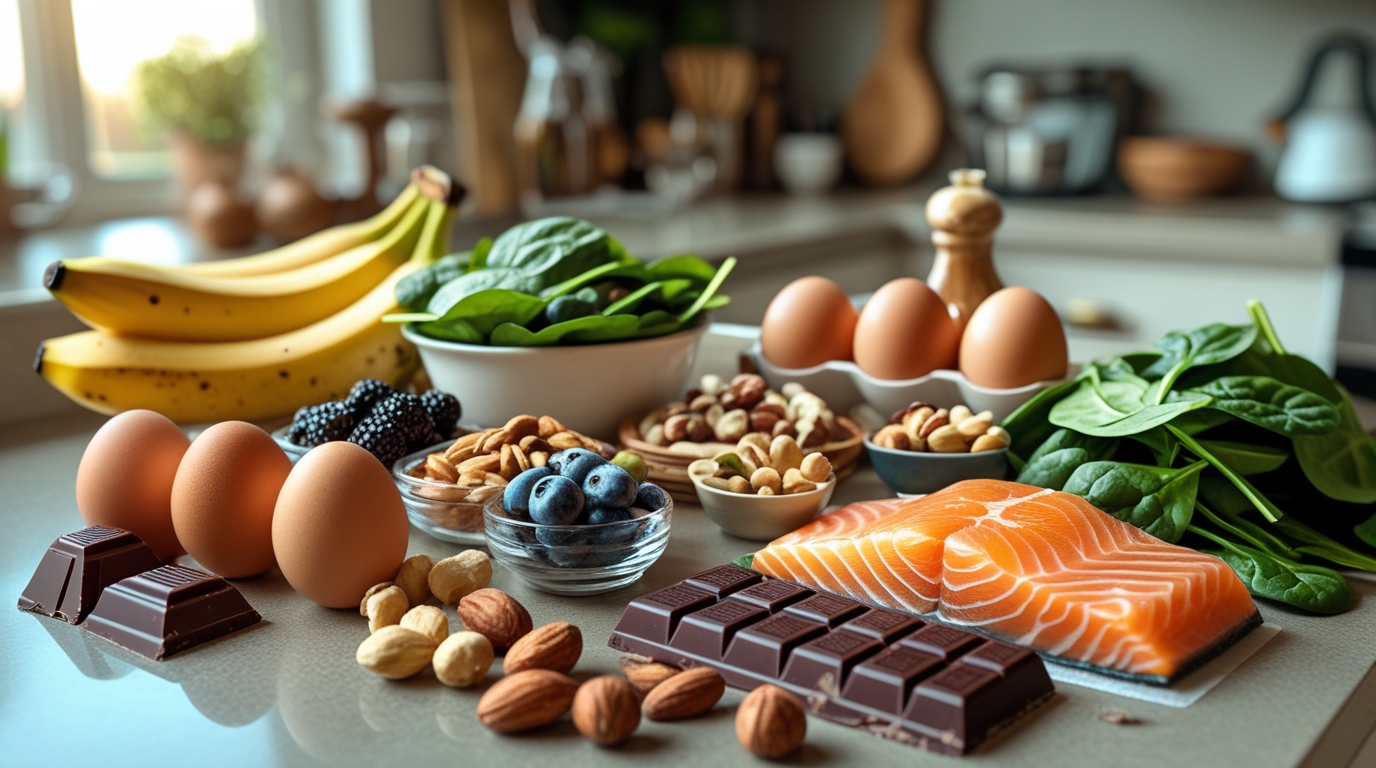
Best Dopamine Brain Foods to Boost Mood and Energy Naturally
In a world where stress, anxiety, and low energy have become common, focusing on natural ways to boost emotional well-being is essential. One of the most powerful ways to improve your mood and mental performance is through Dopamine Brain Foods — foods scientifically known to support dopamine production. Dopamine is the neurotransmitter responsible for motivation, happiness, focus, and drive. When dopamine levels drop, people often experience fatigue, sadness, low motivation, irritability, and difficulty concentrating. That’s why adding dopamine-rich foods to your diet can make a remarkable difference in your daily life.
This article will explain everything you need to know about Dopamine Brain Foods, their benefits, the science behind dopamine, and easy ways to include these foods in your routine. You will also find a sample meal plan, internal resources, external references, and Amazon recommendations to support your journey toward a healthier brain and balanced mood.
What Is Dopamine? A Science-Backed Explanation
Dopamine is a key neurotransmitter produced in several areas of your brain, primarily the substantia nigra and ventral tegmental area. It plays a vital role in the brain’s reward system, regulating how motivated, focused, and energized you feel throughout the day.
Why Dopamine Is Important
- Mood regulation: It helps you feel happy, optimistic, and emotionally stable.
- Motivation: Low dopamine often leads to a lack of drive and enthusiasm.
- Cognitive performance: Supports learning, memory, and problem-solving.
- Energy levels: Helps maintain physical and mental energy.
- Hormone balance: Affects eating behavior, sleep patterns, and stress levels.
Without proper dopamine support, your brain struggles to function at its best. That’s why consuming Dopamine Brain Foods becomes critical for both mental health and daily performance.
Benefits of Dopamine Brain Foods
Including dopamine-supportive foods in your diet can offer multiple physical and mental health benefits, especially when consumed consistently.
Improved Mood and Emotional Stability with Dopamine Brain Foods
Including dopamine brain foods in your diet can help improve mood and promote emotional stability. Nutrient-rich foods like salmon, eggs, berries, nuts, and dark chocolate support dopamine production, which regulates emotions, reduces stress, and enhances overall mental well-being. Regular intake of these foods, along with a balanced lifestyle, can help you stay motivated, focused, and emotionally resilient.
Increased Mental Clarity and Focus with Dopamine Brain Foods
Eating nutrient-rich foods can help improve concentration and mental sharpness. A balanced diet supports better decision-making, productivity, and overall cognitive function. Including healthy snacks and meals throughout the day keeps your mind alert and energized.
Reduced Stress and Anxiety with Dopamine Brain Foods
Managing stress and anxiety can be supported by eating a balanced diet rich in essential nutrients. Consuming foods that promote overall brain and body health helps calm the mind and improve emotional resilience. Regular healthy eating habits contribute to a more relaxed and stable mood throughout the day.
Better hormonal balance
Your brain and hormones are deeply connected. Maintaining a stable dopamine level supports better overall hormonal health.
Explore more in our detailed guide: Hormonal Health
Enhanced workout performance
Dopamine is essential for physical strength, endurance, and motivation during exercise.
For deeper guidance, visit:
Fitness Nutrition: The Ultimate Guide to Fueling Your Body Right
Balanced Appetite and Reduced Cravings
Eating dopamine-boosting foods helps regulate your appetite and prevents unnecessary cravings. A healthy dopamine balance reduces emotional eating and lowers dependency on sugary or processed foods, supporting better overall health and energy.
12 Best Dopamine Brain Foods to Boost Mood and Energy Naturally
Each food listed below contains specific nutrients that directly influence dopamine synthesis. The explanations include how the nutrient works and why the food is beneficial for brain health.
1. Eggs: Powerful Protein Source for Dopamine Production
Eggs are among the most complete protein sources available and are extremely rich in tyrosine, the amino acid required to synthesize dopamine. Tyrosine helps your brain create dopamine naturally. Eggs also contain vitamin B6, B12, folate, and choline — all crucial for nerve signaling and brain development.
Eating eggs regularly can help stabilize your mood, reduce fatigue, and support cognitive clarity. Whether boiled, scrambled, or made into an omelet with vegetables, eggs are an easy and affordable dopamine-enhancing food.
2. Dark Chocolate: A Delicious Dopamine Booster
Dark chocolate contains mood-enhancing compounds like phenylethylamine, flavonoids, and antioxidants. These compounds stimulate dopamine synthesis and help reduce oxidative stress in the brain.
Studies show that consuming 70% or higher dark chocolate promotes calmness, sharper memory, and emotional balance. It is also a healthier alternative to sugary desserts and can be paired with berries for a double dopamine boost.
3. Bananas: Quick Natural Support for Dopamine Levels
Bananas are rich in L-tyrosine, dopamine’s main building block. As bananas ripen, their dopamine content naturally increases. This makes them a perfect snack for people experiencing low mood, fatigue, or stress.
Bananas also provide fiber and potassium, helping regulate blood sugar—a key factor in emotional stability. Add them to smoothies, oats, or eat them alone as a convenient on-the-go dopamine snack.
4. Nuts and Seeds: Nutrient-Dense Brain Fuel
Nuts like almonds and walnuts, and seeds like chia, flaxseed, and pumpkin seeds, contain magnesium, tyrosine, protein, and omega-3 fatty acids. These nutrients help enhance mood, reduce anxiety, and support dopamine signaling.
Magnesium specifically improves the brain’s resilience against stress and enhances dopamine receptor function. Nuts and seeds also help keep you full, balance your hormones, and stabilize energy levels throughout the day.
5. Salmon: Omega-3 Rich Dopamine Enhancer
Fatty fish such as salmon, sardines, and mackerel are rich in Omega-3 fatty acids, which help improve dopamine receptor sensitivity. This means your brain can use dopamine more effectively.
Omega-3 also reduces inflammation, supports emotional balance, and improves overall brain function. Regular consumption can lead to improved mood, higher motivation, and better memory retention.
6. Spinach: A Leafy Green That Supports Neurotransmitters
Spinach contains high levels of folate, magnesium, and iron — all essential for neurotransmitter regulation. Folate deficiency is linked to depression and low dopamine. Magnesium supports nerve transmission, while iron transports oxygen to brain cells.
For people, especially women, dealing with low iron, spinach is a great dietary addition. To learn more, read:
Iron-Rich Foods for Women With Anemia
7. Yogurt and Fermented Foods: The Gut–Brain Connection
Your gut produces almost 50% of the body’s dopamine. That’s why a healthy gut microbiome is essential. Fermented foods like yogurt, kefir, kimchi, sauerkraut, and kombucha help restore gut balance and improve neurotransmitter production.
Yogurt contains probiotics that enhance brain function, reduce anxiety, and support dopamine pathways. Eating fermented foods daily can noticeably improve emotional and digestive health.
8. Berries: Antioxidant-Rich Brain Protectors
Strawberries, blueberries, and raspberries contain anthocyanins — antioxidants that protect brain cells from damage and boost dopamine secretion.
Berries improve memory, reduce inflammation, and support long-term brain protection. They can be added to oatmeal, yogurt bowls, smoothies, or eaten fresh.
9. Beans and Lentils: Excellent Plant-Based Tyrosine Source
Beans, chickpeas, and lentils are high in tyrosine and plant protein. They also provide fiber that helps regulate blood sugar, which indirectly supports dopamine balance.
Replacing processed white carbs with lentils and beans can reduce mood crashes, support energy levels, and enhance mental stability.
10. Oats: Stable Energy and Dopamine-Friendly Grain
Oats release energy slowly, preventing spikes and crashes in blood sugar that can affect mood. They also contain B vitamins and amino acids that support dopamine production.
For healthy recipes using oats, check out:
Healthy Low-Calorie Recipes
11. Apples: Natural Dopamine Cell Protector
Apples contain quercetin, a compound that protects dopamine-producing neurons from oxidative stress. Eating apples regularly can help maintain long-term brain health, emotional stability, and improved concentration.
They are also low in calories, rich in fiber, and perfect for any time of day.
12. Turmeric: Curcumin for Dopamine Enhancement
Turmeric contains curcumin, a powerful anti-inflammatory agent known to increase dopamine levels by supporting brain pathways. Curcumin also helps reduce anxiety and improve memory.
To boost absorption, combine turmeric with healthy fats or black pepper.
Sample Meal Plan Using Dopamine Brain Foods
Breakfast:
Oatmeal topped with bananas, walnuts, and blueberries.
Green tea or turmeric latte.
Lunch:
Grilled salmon with spinach, quinoa, and lemon dressing.
Snack:
Dark chocolate + Greek yogurt with chia seeds.
Dinner:
Lentil soup with turmeric; side of roasted vegetables.
Amazon Product Recommendations
(Disclosure: As an Amazon Associate, I may earn a commission from qualifying purchases at no extra cost to you.)
1. Omega-3 Fish Oil
A high-quality Omega-3 supplement that supports brain health, dopamine production, and mood regulation. Regular intake may improve memory, focus, and mental clarity while reducing inflammation and supporting heart health.
2. 70% Dark Chocolate Bars
Rich in antioxidants and natural compounds that help boost dopamine and enhance mood. Dark chocolate also supports heart health, improves cognitive function, and provides a healthy energy lift without added sugars.
High-Authority External Source
For more in-depth scientific information on dopamine and brain function, visit:
Harvard Health – Dopamine & Brain Function
FAQs About Dopamine Brain Foods
1. How long does it take to see results?
Most people notice mood and energy improvement in 7–14 days of consistent eating.
2. Can dopamine foods help with depression?
They support brain health but should not replace medical treatment.
3. Which fruit increases dopamine the most?
Bananas and berries are the top dopamine-supporting fruits.
4. Do supplements work as well as foods?
Natural foods work better long-term, but supplements can help.
5. How often should I eat dopamine foods?
Daily—your body needs constant support for neurotransmitter health.
Conclusion: Best Dopamine Brain Foods for Mood and Energy
Improving your mood, energy, and mental clarity doesn’t always require medication. Sometimes, simple changes in your diet — especially by adding Dopamine Brain Foods — can transform your emotional and mental well-being. These foods naturally support dopamine production, helping you feel happier, more focused, and more motivated.
Whether you add eggs, nuts, berries, salmon, or oats to your routine, consistency is key. Pair these foods with healthy habits like exercise, sunlight, and good sleep, and you’ll experience noticeable improvements.
Call to Action
For more powerful guides like this, explore FitFusionBlogs:
Hormonal Health
Fitness Nutrition
Iron-Rich Foods for Women With Anemia
Healthy Low-Calorie Recipes
Author: Nazma Rani – FitFusionBlogs
Recent Comments