
Introduction
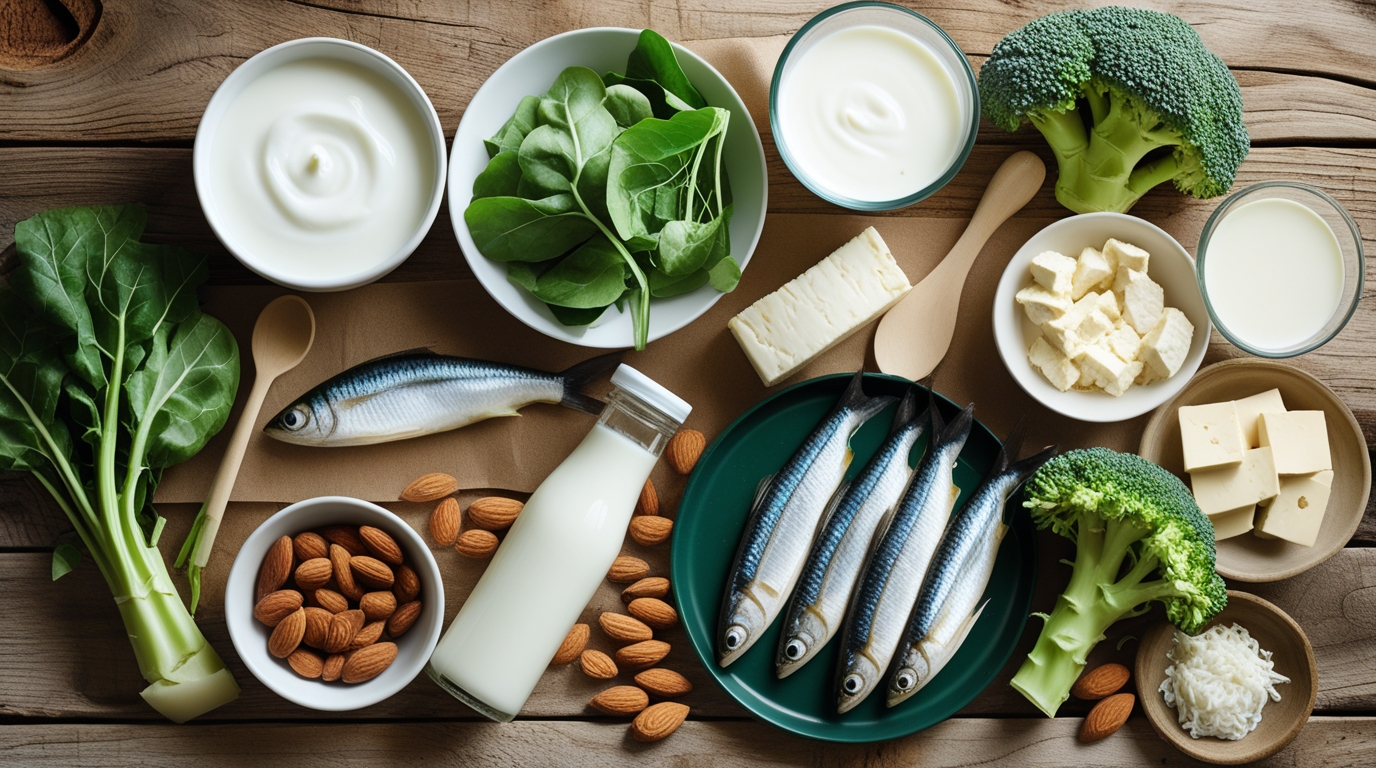
Calcium-rich foods are the foundation of strong bones, healthy teeth, and an active lifestyle. But in today’s busy routine, many people unknowingly fall short of their daily calcium needs—especially women and older adults.
If you’ve ever experienced fatigue, muscle cramps, or weak bones, your body might be asking for more calcium.
Calcium is not just about bones—it also supports muscle movement, heart function, hormone balance, and nerve signals. That’s why getting enough calcium daily is essential for overall health.
In this complete 2026 guide, you’ll discover the top 10 calcium-rich foods, their powerful health benefits, simple ways to include them in your meals, and when supplements might be necessary.
Why Calcium-Rich Foods Matter for Strong Bones
The most prevalent mineral in the body is calcium. It is essential for structural integrity because the bones and teeth contain about 99 percent of it. Osteoporosis or fractures can result from weak, brittle bones caused by insufficient calcium.
Eating calcium-rich foods daily helps you:
- Maintain strong bones and teeth
- Support heart, nerve, and muscle function
- Prevent bone diseases and age-related bone loss
Related: Magnesium vs. Calcium
Top 10 Calcium-Rich Foods for Strong Bones (2026 Guide)
1. Yogurt – A Protein-Packed Calcium Source for Healthy Bones
Calcium per cup: ~300 mg
Details: One of the greatest natural sources of calcium is yogurt. Probiotics, which promote intestinal health, are also included. For more protein and fewer sugars, choose plain, low-fat Greek yogurt. You can use yogurt as a nutritious snack or in smoothies and breakfast bowls.
Yogurt – Best Greek Yogurt on Amazon (affiliate link – helps support our blog at no extra cost to you)
2. Cheese – High Calcium and Protein for Strong Teeth and Bones
Calcium per ounce (cheddar): ~200 mg
Details: In addition to being high in calcium, cheese also contains fat and protein. However, since it is high in saturated fat, moderation is essential. Hard cheeses like Parmesan provide even more calcium per serving.
Shop Best Cheese Options on Amazon
3. Collard Greens, Kale, and Spinach – Plant-Based Calcium for Vegetarians
Calcium per cup (cooked): ~200–250 mg
Details: For vegetarians, leafy greens are a great plant-based source of calcium. However, because spinach contains oxalates that can hinder calcium absorption, pairing it with foods high in vitamin C may help.
Buy Fresh Organic Kale on Amazon: Shop Now
4. Canned Sardines (With Bones) – Omega-3 and Calcium Superfood
Calcium per 3 oz: ~325 mg
Details: Packed in calcium, vitamin D, and omega-3 fatty acids, sardines are a superfood. The primary source of calcium is found in the soft, edible bones. They taste fantastic on toast or in salads.
5. Fortified Plant-Based Milks (Almond, Soy, Oat) – Dairy-Free Calcium Options
Calcium per cup: ~300 mg (check label)
These are perfect for people who are lactose intolerant or vegan. Since calcium can settle at the bottom, choose unsweetened varieties and shake well before using.
Buy fortified plant-based milk on Amazon
6. Milk (Cow’s Milk) – Classic Calcium and Vitamin D for Bone Strength
Calcium per cup: ~300 mg
Detail: A staple for many, milk provides not only calcium but also vitamin D and protein, all of which work together to build bone strength. Low-fat versions are heart-friendlier.
7. Almonds – Nutrient-Dense Snacks Rich in Calcium and Healthy Fats
Calcium per ounce: ~75 mg
Details: A nutrient-dense snack that is rich in fiber, calcium, and good fats. Almonds can be roasted, eaten raw, or mixed into yogurt bowls and salads.
8. Fortified Cereals – Easy and Delicious Way to Boost Calcium Intake
Calcium per serving: Varies (~100–1000 mg)
Details: Many breakfast cereals are fortified with calcium and essential minerals, making them an easy way to boost your intake. To keep it healthy, choose cereals with lower sugar content by checking the nutrition labels carefully.
Shop Fortified Cereals on Amazon
9. Broccoli – Crunchy, Fiber-Rich, and Calcium-Containing Vegetable
Calcium per cup (cooked): ~60 mg
Details: Broccoli is rich in vitamin C, fiber, and antioxidants, making it a nutritious choice. While its calcium content is lower than that of dairy products, it still contributes beneficially to your daily intake.
10. Tofu (Calcium-Set) – Versatile Plant-Based Calcium Powerhouse
Calcium per ½ cup: ~250–860 mg
Detail: Tofu prepared with calcium sulfate contains high levels of calcium. It’s versatile and can be added to stir-fries, salads, or grilled.
Shop Calcium-Set Tofu on Amazon
Best Time to Take Calcium Foods
For maximum absorption, it’s best to spread calcium intake throughout the day rather than taking it all at once. Pairing calcium-rich foods with meals containing vitamin D (like eggs, fish, or fortified milk) helps your body absorb it better.
Tip: Avoid taking high amounts of calcium supplements on an empty stomach. Dividing intake into morning and evening meals can boost effectiveness.
Foods That Block Calcium Absorption
Certain foods and habits can reduce calcium absorption if consumed in excess:
- Tea & Coffee: Excess caffeine can decrease calcium absorption.
- High Salt Intake: Too much sodium can cause calcium loss through urine.
- Oxalate-Rich Foods (e.g., Spinach, Beet Greens): Oxalates bind calcium, making it harder to absorb.
- Excess Phosphate (Processed Foods & Soft Drinks): Can interfere with calcium balance.
Tip: Pair plant-based calcium foods with vitamin C-rich foods (like citrus fruits or bell peppers) to improve absorption.
FAQs: Calcium-Rich Foods in the United States
Q1: What is the daily recommended calcium intake?
Men over 70 and women over 50 require more than 1,200 mg daily, whereas adults normally require about 1,000 mg.
Q2: Can I get enough calcium from food alone?
A lot of people can get enough calcium from their diet. However, certain individuals may require supplements, especially if they have dietary restrictions.
Q3: Are plant-based calcium sources effective?
Yes, especially when paired with foods that enhance absorption, such as those high in vitamin C
Q4: What are the signs of calcium deficiency?
Symptoms include brittle nails, frequent fractures, muscle cramps, and dental problems.
Q5: How do calcium and magnesium work together?
Magnesium helps the body absorb calcium and regulates its function. To learn more, read our guide on Magnesium vs. Calcium.
Q6: Which food has the highest calcium?
A: Hard cheeses like Parmesan and calcium-set tofu have the highest calcium. Fortified plant-based foods can also provide very high amounts.
Q7: Is milk better than plant-based calcium?
Milk naturally provides calcium, vitamin D, and protein. Fortified plant-based milks work well too—choose what fits your diet.
Conclusion: Prioritize Calcium-Rich Foods for Stronger Bones
One of the simplest and most effective ways to protect your bones, muscles, and overall health is by incorporating calcium-rich foods into your daily diet. To meet your calcium needs, prioritize whole foods such as dairy, leafy greens, tofu, and fortified products.
If needed, consider adding high-quality calcium supplements to your routine. Always consult a healthcare professional before starting any supplement.
Call to Action
Start today! Add at least one calcium-rich food from the list above to your next meal and support your bone health naturally. Whether it’s almonds, broccoli, tofu, or fortified cereals, making these choices can help boost your daily calcium intake.
Disclaimer
This article is for informational purposes only. It does not offer medical advice. Please consult your healthcare provider before making changes to your diet or supplement routine.
Recent Comments