
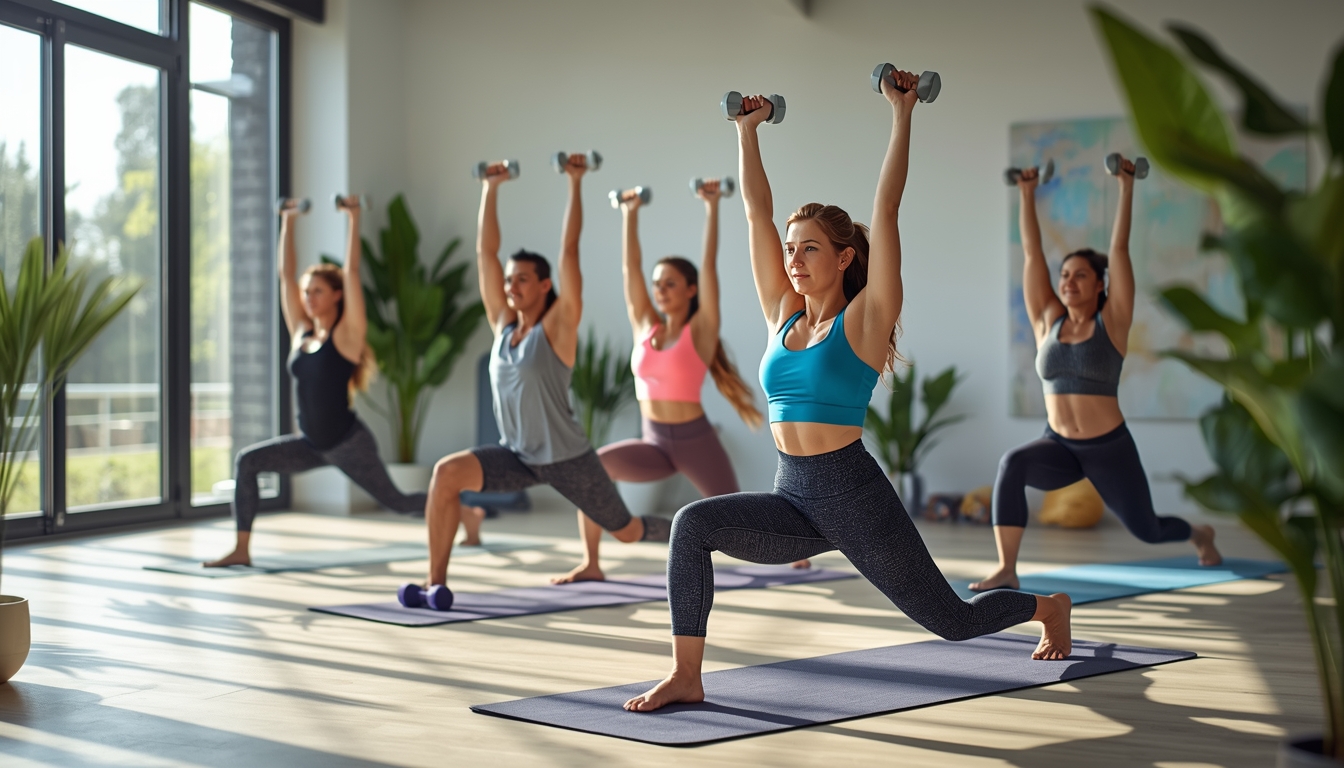
Introduction: Why a Sustainable Fitness Routine for 2026 Matters
Creating a sustainable fitness routine for 2026 is more than just a temporary challenge—it’s a lifestyle commitment. Many people begin intense workouts or strict diets only to burn out within weeks. A sustainable fitness routine emphasizes long-term consistency, flexibility, and overall wellness rather than quick fixes. By incorporating a balanced combination of cardio, strength training, flexibility exercises, and mental wellness practices, you can make fitness a natural part of your everyday life.
This guide will help you build a sustainable fitness routine for 2026 that is easy to maintain, practical, and effective for long-term health.
Developing a routine tailored to your body and goals ensures that you maintain progress without risking injury, burnout, or frustration. In this guide, we’ll walk through a step-by-step plan to build a sustainable fitness routine for 2026, enriched with expert tips, trending practices, and practical strategies you can implement right away.
What is a Sustainable Fitness Routine?
A sustainable fitness routine is one that you can maintain over time without compromising your health or lifestyle. Unlike temporary or extreme programs, it focuses on gradual progress, adaptability, and balance. Key elements include:
- Moderate intensity workouts rather than extreme sessions
- Flexibility to adjust routines based on your schedule or energy
- Mindful integration of physical, mental, and emotional health
- Consistent rest, recovery, and nutrition support
By prioritizing long-term consistency over short-term intensity, you can achieve lasting results while keeping fitness enjoyable and manageable.
Benefits of a Sustainable Fitness Routine in 2026
Implementing a sustainable approach provides benefits that go beyond aesthetics:
1. Improved Physical Health
Regular exercise lowers the risk of chronic diseases such as obesity, diabetes, and heart disease. Incorporating low-impact exercises like Gentle Somatic Workouts enhances mobility, posture, and muscle activation without overstraining your body.
2. Mental and Emotional Well-being
A routine that combines physical activity with mindfulness can reduce anxiety, boost mood, and enhance focus. Practices like meditation, yoga, and even mindful walking improve mental resilience, supported by understanding the gut–brain connection, which influences mood, cognition, and energy levels.
3. Long-Term Fitness Results
Consistency over time allows your body to adapt naturally. Unlike crash programs, a sustainable approach builds strength, endurance, and flexibility gradually, minimizing the risk of burnout or injury.
4. Adaptable Lifestyle Integration
Sustainable routines fit into your daily life, whether you work from home, commute, or travel frequently. They’re flexible enough to evolve with your schedule and priorities.
Step-by-Step Guide to Building a Sustainable Fitness Routine
Step 1: Set Clear and Achievable Goals
Begin with realistic, measurable targets to stay motivated:
- Short-Term Goal: Commit to three workouts per week for the first month.
- Long-Term Goal: Complete a strength program, run a 5K, or improve flexibility over six months.
Documenting your progress helps maintain accountability and gives a sense of accomplishment.
Step 2: Design a Balanced Workout Plan
A complete fitness routine combines cardio, strength, and flexibility:
Cardio for Endurance
Activities like running, swimming, cycling, or brisk walking enhance heart health, burn calories, and improve stamina.
Strength Training
Bodyweight exercises, resistance bands, and free weights build muscle, improve metabolism, and protect bone health.
Flexibility and Mobility
Include yoga, pilates, or Gentle Somatic Workout movements. Focus on slow, mindful stretches to release tension and enhance range of motion.
Step 3: Prioritize Rest and Recovery
Overtraining is a common cause of burnout. Follow these tips:
- Take 1–2 rest days per week.
- Include active recovery like stretching or walking.
- Ensure 7–9 hours of sleep nightly to support muscle repair and hormonal balance.
Step 4: Nutrition and Lifestyle Integration
Fitness is 70% movement and 30% nutrition. Eating well fuels your workouts and accelerates recovery.
- Include low-calorie, nutrient-dense meals from our Healthy Low-Calorie Recipes collection.
- Drink plenty of water and limit processed foods.
- Plan meals around workouts to optimize energy and recovery.
Step 5: Motivation and Accountability
Maintaining motivation is essential for long-term success:
- Workout with a buddy or group.
- Track your workouts using fitness apps or journals.
- Participate in challenges or online fitness communities to stay inspired.
Fitness Trends to Watch in 2026
1. Eco-Friendly Fitness
Sustainable workouts also mean environmentally conscious choices, like organic apparel, reusable mats, and energy-efficient exercise equipment.
2. Virtual and Hybrid Training
Online classes, hybrid workouts, and live-stream training sessions allow flexibility in maintaining your routine, even with a busy schedule.
3. Mind-Body Wellness
Integrating meditation, breathing exercises, and yoga promotes holistic fitness. Combined with gut health awareness (Gut–Brain Connection), this enhances mental clarity and emotional balance.
FAQs About Sustainable Fitness Routines
Q1: Can I stick to a sustainable fitness routine if I have a busy schedule?
Yes! Focus on short, effective workouts and integrate activity into daily life—like walking, stairs, or 10-minute home exercises.
Q2: How long should a workout session be?
10–45 minutes per session is effective, depending on intensity. Consistency is more important than duration.
Q3: Are home workouts effective?
Absolutely! Combining Gentle Somatic Workouts, bodyweight exercises, and resistance bands can produce excellent results.
Q4: How can I prevent boredom?
Switch exercises every few weeks, try new fitness classes, or set challenges to keep things exciting.
Q5: Is nutrition important?
Yes, pairing your routine with healthy, balanced meals—like our Low-Calorie Recipes—supports energy, recovery, and overall results.
Conclusion: Start Your Sustainable Fitness Journey in 2026
Building a sustainable fitness routine in 2026 is not about perfection—it’s about consistency, balance, and mindful practice. By setting realistic goals, designing a balanced workout plan, prioritizing recovery, integrating nutrition, and staying motivated, you can transform fitness from a short-term challenge into a lifelong habit.
Don’t forget: small daily actions, like a Gentle Somatic Workout or mindful stretching, add up over time and make a massive difference. Pair your routine with nourishing meals (Healthy Low-Calorie Recipes) and mental wellness practices (Gut–Brain Connection), and you’ll enjoy physical, emotional, and mental benefits that last all year.
Take action today: Start building your sustainable fitness routine for 2026 today with simple daily habits and the right nutrition support.
Recent Comments