
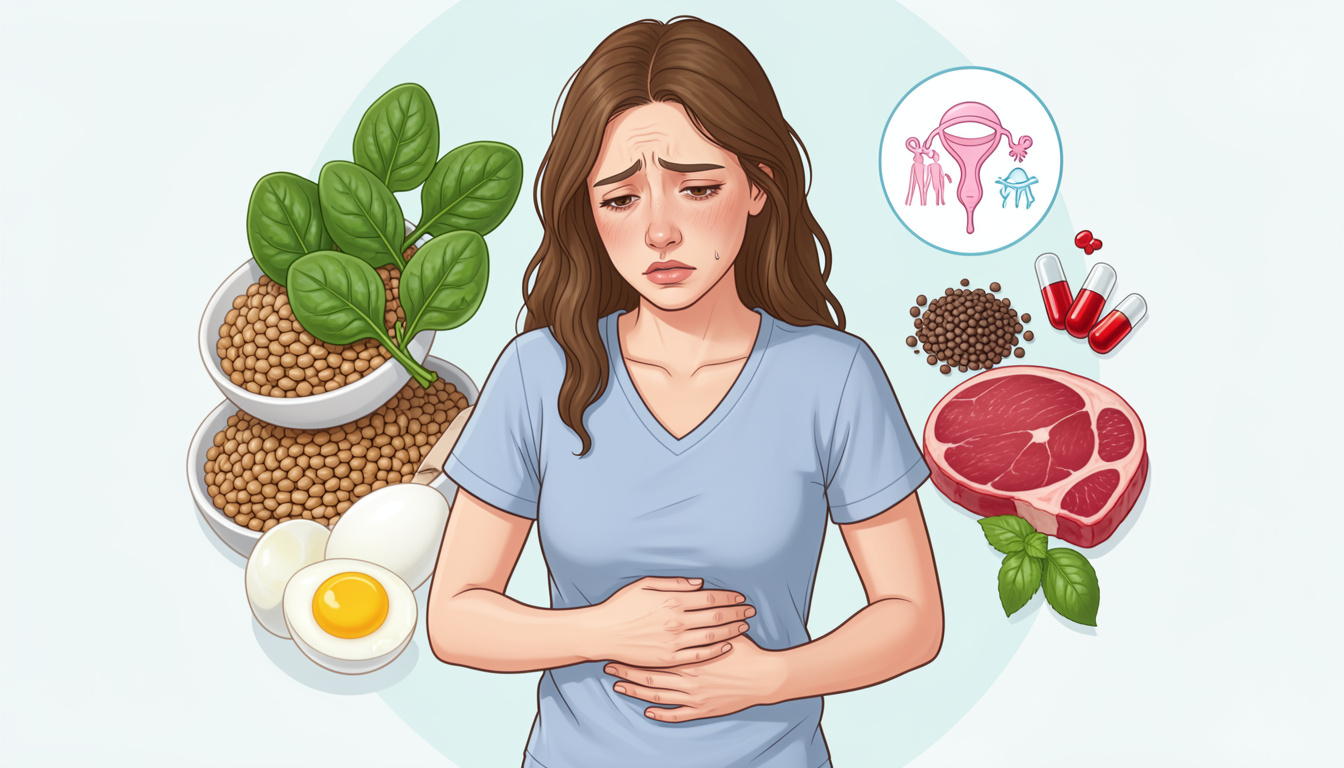
Introduction
Iron deficiency and irregular periods are closely linked, yet many women don’t realize it. Iron deficiency is one of the most common nutritional problems worldwide, particularly for women during menstruation or pregnancy.
When your body lacks iron, it can affect hormone balance, energy levels, and even your menstrual cycle. Many women experience irregular, heavy, or missed periods without realizing that low iron levels may be a contributing factor.
In this 2026 guide, you’ll learn how iron deficiency affects your periods, the symptoms to watch for, and the best ways to treat and prevent it.
What Is Iron Deficiency?
Iron deficiency occurs when the body doesn’t have enough iron to produce healthy red blood cells. Red blood cells carry oxygen throughout the body, which is essential for energy, metabolism, and overall health.
Symptoms of iron deficiency can vary but may include fatigue, dizziness, pale skin, shortness of breath, and hormonal disruptions.
Learn more about iron deficiency symptoms in women to spot early warning signs.
Can Iron Deficiency Cause Irregular Periods?
Yes. Low iron levels can disrupt hormone production, affecting ovulation and menstrual cycles. Women with iron deficiency may experience:
- Heavy or prolonged periods (menorrhagia)
- Missed or delayed periods
- Increased PMS symptoms
Cycle pattern: Heavy periods → iron loss → deficiency → more irregular periods. Identifying the root cause is crucial to breaking this loop.
Common Symptoms to Watch For
Physical Symptoms
- Persistent fatigue or weakness
- Pale skin
- Dizziness or headaches
- Shortness of breath
Menstrual Symptoms
- Heavy or irregular periods
- Missed cycles
- Severe PMS symptoms
Other nutrient interactions can also affect iron absorption. For example, see our guide on high calcium in blood to understand nutrient interference.
Main Causes of Iron Deficiency and Irregular Periods in Women
- Heavy Menstrual Bleeding: A major source of iron loss each month.
- Poor Iron Absorption: Even a healthy diet may not provide sufficient absorbed iron.
- Diet Low in Iron: Lack of red meat, leafy greens, and legumes.
- Pregnancy and Hormonal Changes: Increased iron requirements.
Include iron-rich foods in your daily diet to boost iron naturally.
How to Treat Iron Deficiency and Regulate Periods
1. Iron Supplements
Doctors often recommend oral supplements to quickly restore iron levels.
Learn the timing to take iron supplements to improve effectiveness.
2. Improve Absorption
- Pair iron with vitamin C-rich foods
- Avoid tea, coffee, dairy, or calcium near intake
Also see [magnesium benefits] for better nutrient absorption and hormone support.
3. Address Root Cause
Treat underlying menstrual or hormonal imbalances to prevent recurring deficiency.
4. Medical Treatment (If Needed)
Some women may require:
- Iron infusions (drips)
- Hormonal therapy
Real-life insight: After a drip, periods may normalize for about a month, but irregularities can return if the root cause isn’t addressed. This happens because:
- Iron levels improve temporarily, but ongoing heavy bleeding or poor absorption can continue depleting iron.
- Diet timing and sequence matter — taking iron with inhibitors (dairy, tea, coffee) can reduce absorption.
- Each body absorbs iron differently — some women need smaller doses spread throughout the day.
Iron Drip: Timeline and What to Expect
| Stage | What Happens | How to Protect Yourself / Next Steps |
|---|---|---|
| Day 0 – Iron Drip | Iron levels restored; periods may normalize immediately | Track energy & cycle |
| Week 1–2 | Maintain diet, timed supplements, and and consult a doctor if needed | The body uses iron; fatigue improves |
| Week 3–4 | Iron stores may start declining | Monitor periods; adjust diet sequence & supplements |
| Month 1+ | Without support, irregularity returns | Maintain diet, timed supplements, and consult a doctor if needed |
Tip: Drips are a “boost” — combining them with diet, supplements, and hormonal management ensures lasting improvement.
Diet and Supplements for Iron Deficiency and Irregular Periods
Iron-Rich Foods Table
| Food | Iron Content | Benefit |
|---|---|---|
| Spinach | High | Improves hemoglobin |
| Red meat | Very high | Fast absorption |
| Lentils | Moderate | Plant-based option |
| Eggs | Moderate | Daily nutrition |
| Dates | Low–moderate | Energy boost |
Foods That Help or Block Iron Absorption
| Helps Absorption | Blocks Absorption |
|---|---|
| Citrus fruits / Vitamin C | Dairy products |
| Strawberries / Kiwi | Tea & coffee |
| Orange juice | Calcium supplements |
| Bell peppers | High-fiber foods |
Best Iron Supplements for Women
Choosing the right iron supplement can be just as important as timing. For women dealing with iron deficiency and irregular periods, picking a product that is gentle on the stomach, easily absorbed, and supports red blood cell production can make a real difference in energy levels and menstrual health.
Top Recommended Options
1. Nature Made Iron 65 mg Tablets
This supplement helps restore healthy iron levels and supports red blood cell production. Its simple formula is ideal for women experiencing fatigue or low energy due to iron deficiency.
2. MegaFood Blood Builder Iron Supplement
Gentle on the stomach, this supplement includes vitamin C, B12, and folate to support iron absorption and overall wellness. It’s particularly helpful for women whose irregular periods contribute to low iron levels.
Tips for Choosing the Right Supplement
- Check tolerance — some forms may cause nausea
- Pair with vitamin C for better absorption
- Consult your doctor if one form doesn’t suit you
Affiliate Disclosure: We may earn a small commission at no extra cost to you.
When to See a Doctor
Consult a doctor if you experience:
- Severe fatigue
- Very heavy or prolonged periods
- Irregular cycles for months
- No improvement with diet or supplements
Early diagnosis prevents complications and restores balance faster.
FAQs About Iron Deficiency and Irregular Periods
Q1. Can low iron delay your period?
Yes. Low iron can disrupt hormone production and ovulation.
Q2. Can iron supplements regulate periods?
They help restore iron levels and support hormonal balance, but work best alongside treatment of the root cause.
Q3. How long does it take to recover from iron deficiency?
Several weeks to months, depending on severity and treatment.
Q4. Can diet alone fix iron deficiency?
Mild cases may improve with diet, but moderate or severe deficiency often requires supplements or medical intervention.
Q5. Is it safe to take iron daily?
Only under medical supervision. Excess iron can cause side effects.
Conclusion: Iron Deficiency and Irregular Periods
Iron deficiency and irregular periods are closely linked. Ignoring one can worsen the other. Understanding symptoms, causes, and treatment options is essential.
While diet and lifestyle are important, supplements or medical guidance are often necessary for full recovery. Identifying the root cause, combining proper supplementation, and maintaining a balanced diet ensures better long-term results.
Remember: Iron drips are a boost, not a permanent solution. Proper diet, supplements, and addressing hormonal or menstrual issues are key to maintaining healthy iron levels.