
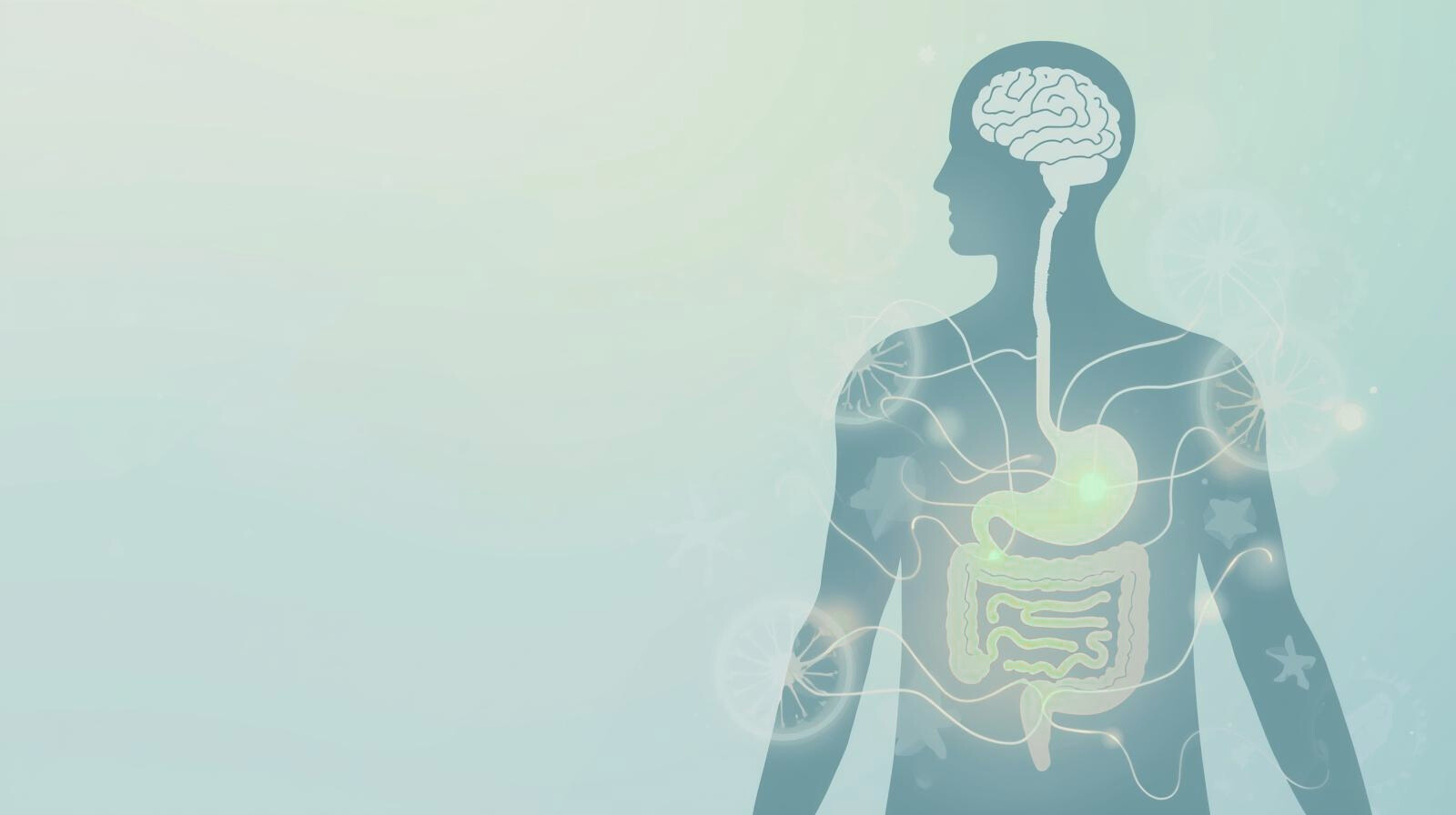
Gut–Brain Connection and Mental Health
The gut-brain connection plays a crucial role in overall health, directly influencing mood, anxiety, and cognitive function. In 2025, more people are realizing that maintaining gut health is essential for emotional well-being. From serotonin production to inflammation control, a healthy gut can dramatically improve mood, reduce stress, and enhance overall mental clarity. By understanding and supporting this connection, you can naturally boost your mental resilience and promote a balanced, healthy mind and body.
Our mental state affects the entire body. When someone experiences deep emotional pain or persistent stress, it feels as though the whole body is paralyzed—energy drains, digestion slows, and nausea or dizziness may occur. These experiences show how deeply mental health and gut health are intertwined, reinforcing the importance of understanding the gut–brain connection.
In this article, you will learn how to identify gut imbalances, the best foods to support gut health, daily habits to maintain a healthy digestive system, and how these changes can naturally improve your mood and reduce anxiety.
What Is the Gut–Brain Connection?
The gut–brain connection refers to the communication network between your gastrointestinal system and your brain. This communication happens through several mechanisms:
- The vagus nerve: The primary pathway connecting your gut to your brain, allowing signals from gut bacteria to influence brain chemistry.
- Neurotransmitters: About 90% of serotonin, the “feel-good hormone,” is produced in the gut.
- Immune system signaling: Gut bacteria help regulate inflammation, which impacts stress levels and mental health.
When your gut is imbalanced, these signals are disrupted, potentially leading to mood swings, anxiety, low energy, and poor cognitive function. Emotional tension can intensify these effects. People who experience overwhelming stress or trauma often feel emotionally numb, as if life has lost its color. In such states, digestion suffers, appetite is affected, and even when food is available, the body struggles to properly absorb nutrients.
Signs Your Gut Health Is Imbalanced
Recognizing the symptoms of poor gut health is the first step to improving it. Watch out for:
- Bloating or abdominal discomfort
- Constipation or loose stools
- Brain fog and difficulty concentrating
- Low mood or persistent sadness
- Anxiety or irritability
- Low energy levels
- Skin issues like acne or rashes
These physical symptoms often mirror emotional and psychological stress, showing how deeply intertwined mental well-being and gut health truly are.
How Gut Health Affects Mood and Anxiety
Your gut plays a huge role in your emotional and mental state:
- Serotonin production: A healthy gut produces serotonin, improving mood and reducing anxiety.
- Inflammation: An inflamed gut can increase stress and worsen anxiety symptoms.
- Gut bacteria: Certain beneficial bacteria are linked to emotional resilience and reduced stress responses.
- Stress impact: Chronic stress can negatively affect digestion, creating a vicious cycle.
Many people find that in high-stress situations, their mind and body feel paralyzed, as if trapped in emotional chaos. These intense experiences of helplessness and despair often exacerbate gut discomfort, highlighting the need to care for mental health alongside physical well-being.
Author’s Insight: When Mental Pain Affects the Entire Body
As a writer and someone who has personally lived through emotional distress, I have experienced how deeply mental health can control the entire body. There were phases when emotional pain felt so intense that my whole body seemed to shut down. It wasn’t just sadness—it was a complete loss of physical energy, persistent nausea, dizziness, and a strange feeling where food was eaten but nothing felt properly digested.
This experience made me realize that mental stress does not remain confined to the mind. When the heart feels broken or overwhelmed, the gut responds immediately. There may be no visible illness, yet digestion slows, appetite disappears, and the body feels lifeless. This is not weakness—it is the body’s biological response to emotional overload.
Through my own journey, I understood that prolonged emotional stress damages the gut–brain communication. Anxiety, emotional numbness, and digestive discomfort begin to coexist. This personal experience strengthened my belief that healing the gut is not just about food—it is also about emotional safety, self-belief, and protecting one’s mental space.
Best Gut-Healing Foods for a Healthy Gut–Brain Connection
1. Yogurt / Probiotic Foods Supporting Gut Health and Brain Function
Rich in beneficial bacteria, yogurt helps restore gut balance, aids digestion, and supports serotonin production. Include a serving daily.
2. Ginger for Gut–Brain Link and Emotional Well-Being
Ginger reduces inflammation in the gut, soothes digestive discomfort, and can improve mood naturally.
3. Green Tea to Support the Gut–Brain Link
Green tea is loaded with antioxidants and polyphenols that boost brain and gut health.
4. Oats / High-Fiber Foods to Improve Gut Health and Brain Function
Fiber feeds healthy gut bacteria, supporting a balanced microbiome and improving mood stability.
5. Bananas for Gut Health and Brain Function
A natural prebiotic, bananas help feed beneficial bacteria and regulate digestive health.
6. Leafy Greens Supporting the Gut–Brain Connection
Spinach, kale, and other greens reduce stress, inflammation, and support neurotransmitter production.
7. Sweet Potatoes to Enhance Gut–Brain Link
Packed with fiber and nutrients, sweet potatoes promote digestion and stabilize blood sugar, improving mood.
Daily Habits to Support the Gut–Brain Connection Naturally
- Drink plenty of water to aid digestion
- Walk after meals to stimulate gut function
- Reduce stress with mindfulness and meditation
- Chew food thoroughly for optimal digestion
- Prioritize sleep to support gut-brain signaling
- Avoid overuse of antibiotics
- Limit fried and sugar-heavy foods
- Spend time in nature—walking barefoot on grass, listening to birds, observing trees. Science shows grounding reduces cortisol, calms the mind, and supports gut health.
Even brief daily exposure to natural environments can restore emotional balance, ease anxiety, and strengthen gut function.
How Quickly Can You Feel Gut–Brain Connection Improvements?
Most people notice improvements in 2–4 weeks with consistent gut-healing practices:
- Energy levels may rise first
- Mood and anxiety improvements follow
- Digestive comfort increases over time
Consistency is key, and combining healthy foods with lifestyle habits, self-care, and mindfulness amplifies results.
When to See a Doctor
While many gut issues improve with diet and lifestyle, see a doctor if you experience:
- Chronic bloating or stomach pain
- Persistent anxiety with gut discomfort
- IBS-type symptoms lasting weeks or months
Internal & External Resource Recommendations
- Check out Mental Health Quotes for daily motivation
- Learn about Dopamine Brain Foods to support mood naturally
- Explore Improving Your Inner Voice Through Self-Talk
- For deeper spiritual balance and presence, see Embracing Presence with The Art of Simply Being
- Authoritative reference: Harvard Health – Gut Health and Mood
FAQs – Gut–Brain Connection
Q1: Can improving gut health reduce anxiety?
Yes! A balanced gut produces serotonin and reduces inflammation, which can help lower anxiety levels.
Q2: How long does it take to see results?
Most people notice mood and energy improvements within 2–4 weeks.
Q3: Are probiotics necessary?
Probiotics are helpful but not mandatory. Eating fiber-rich, fermented, and plant-based foods also supports gut health.
Q4: Can stress harm the gut?
Absolutely. Chronic stress disrupts gut microbiota and can lead to digestive issues, anxiety, and low energy.
Q5: How can nature improve gut–brain health?
Spending time in parks, listening to birds, and feeling the grass or soil beneath your feet helps lower cortisol and supports emotional and digestive balance.
Conclusion: Gut–Brain Connection
The gut–brain connection is a powerful tool for improving mental and emotional health. Your emotional state impacts your body, and nurturing your gut can improve both mood and anxiety. By focusing on gut-healing foods, mindful habits, nature exposure, and self-preservation, you can strengthen your mind and body simultaneously.
Remember, caring for yourself is not selfish—it is essential for survival and emotional resilience. Life is not a race; it is about feeling, healing, and being present.
Start small—incorporate one gut-friendly food daily, take short mindful walks, spend time in nature, and gradually build your emotional resilience.
Don’t forget to explore Dopamine Brain Foods and Mental Health Quotes for more tips.
Take action today and strengthen your mind and body through the gut–brain connection!