

Benefits of Green Vegetables: Why Greens Matter More Than You Think
Eating green veggies is more than just filling your plate with colour—it’s about giving your body the powerful nourishment it needs. The benefits of green vegetables go far beyond basic nutrition. These greens are packed with essential vitamins, minerals, and fibre that support your health in multiple ways. Whether you want to improve digestion, boost your immune system, or feel more energised throughout the day, adding more greens to your meals is one of the simplest and most effective steps you can take. Let’s explore the key benefits of green vegetables and how you can easily incorporate them into your daily routine.
The Nutritional Powerhouse of Green Vegetables: Benefits of Green Vegetables
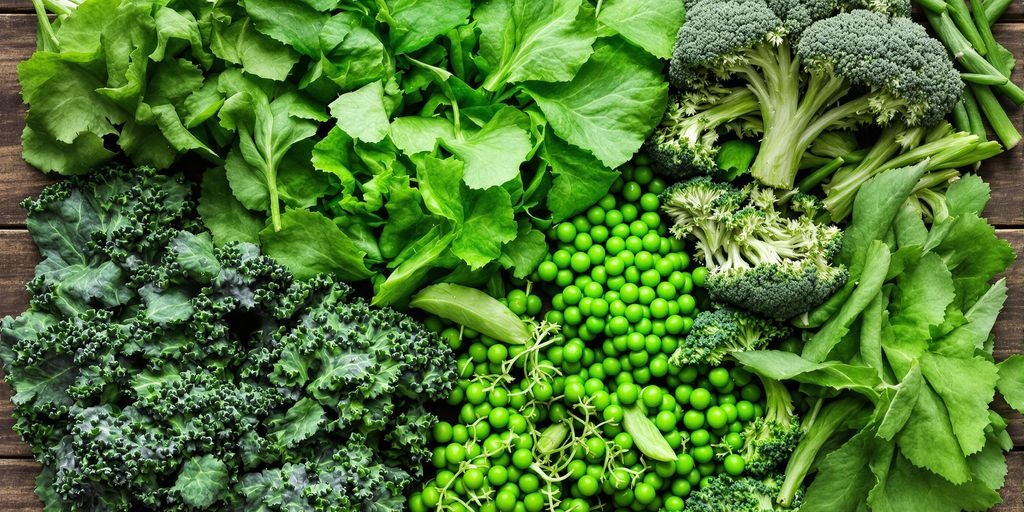
Essential Vitamins and Minerals Found in Greens
Green veggies contain a variety of nutrients that our bodies require to function optimally. Vitamins A, C, K, and folate are particularly beneficial, promoting everything from healthy vision to bone strength and cell growth. Minerals such as iron, calcium and bone health, and magnesium are also abundant, promoting strong bones, good muscular function, and a stable heartbeat. Including greens like spinach, kale, and broccoli in your meals ensures that your body receives these vital nutrients.
How Fiber in Greens Supports Digestive Health
Dietary fibre is one of the underappreciated benefits of green vegetables. It helps your digestive system function properly by encouraging regular bowel movements and nourishing the good bacteria in your gut. Fibre also helps to manage blood sugar and can decrease cholesterol. Leafy greens such as collard greens, Swiss chard, and rocket are rich in this vitamin, making them essential for a healthy digestive tract.
Antioxidants in Green Vegetables and Their Benefits
Green veggies are high in antioxidants, which help to protect your cells from free radical damage. These potent minerals, ranging from lutein and zeaxanthin, which promote eye health, to flavonoids, which reduce inflammation, are essential for overall health. Regular consumption of greens such as Brussels sprouts, bok choy, and watercress can lower your risk of chronic diseases and strengthen your immune system.
To learn more, you can explore these antioxidant-rich foods for additional benefits.
Eating green vegetables isn’t just about staying healthy—it’s about thriving. These nutrient-dense foods support your entire body, from your brain to your bones.
Health Benefits of Eating Green Vegetables
Reducing the Risk of Chronic Diseases: Benefits of Green Vegetables
Green vegetables are more than just a colourful addition to your plate—they pack a punch when it comes to protecting your health. Eating greens regularly can lower the risk of heart disease, type 2 diabetes, and some cancers. This is thanks to the antioxidants, vitamins, and minerals that work together to reduce inflammation and shield your cells from damage. For instance, leafy greens like spinach and kale are rich in folate and potassium, which support heart health and help regulate blood pressure.
Boosting Immunity and Energy Levels
Are you feeling run-down? Including more greens in your diet can help. These vegetables are high in vitamin C, iron-rich foods for women, and other elements that boost your immunity and keep you energised. Iron, found in greens such as Swiss chard and broccoli, plays an important function in oxygen transfer in your blood, providing you with an extra boost to get through the day. Furthermore, the natural sugars and fibre in greens provide sustained energy without a crash.
Promoting Healthy Skin and Hair
Want bright skin and lustrous hair? Look no further than your vegetable drawer. Green vegetables contain phytonutrients and omega-3 fatty acids, which nourish your skin and scalp. The antioxidants in greens fight oxidative stress, which can cause premature aging and dullness. Regularly eating greens like arugula or bok choy might help keep a young complexion and healthier hair.
Including greens in your diet is more than just looking nice; it’s about feeling your best from the inside out.
Green Vegetables for Weight Management
Low-Calorie Options for a Balanced Diet
Green veggies are an excellent alternative for those trying to reduce calorie intake while maintaining nutritional value. Most greens are inherently low in calories, making them ideal for weight maintenance. For example:
| Vegetable | Calories (per 100g) |
| Spinach | 23 |
| Kale | 35 |
| Broccoli | 55 |
These low-calorie options allow you to fill your plate without fear of overeating. Furthermore, they are high in critical nutrients, so you are not just eating fewer calories but also eating wiser.
How Greens Help Control Cravings
Ever notice how hungry you are an hour after eating a bag of chips? This is because processed foods do not keep you full. Green veggies, on the other hand, are high in fibre, which slows digestion and keeps you full longer. Including greens like spinach or rocket in your meals can:
- Maintain blood sugar levels, which reduces abrupt hunger sensations.
- Provide a consistent release of energy, making you less tempted to seek sugary snacks.
- Increase the volume of your meals, giving you the impression that you’re eating more while saving calories.
The Role of Fiber in Feeling Full
Fibre is like a secret weapon for keeping you full and preventing overeating. Leafy greens and other green veggies are abundant in it. This is how fibre works:
- It absorbs water, expanding in your stomach and leaving you feeling full.
- It slows digestion, making you less likely to feel hungry right after eating.
- It improves gut health, which is important for weight management.
Incorporating fibre-rich greens such as collard greens, Swiss chard, or even celery into your diet can have a significant impact. Remember that feeling full is more than just eating more; it’s about eating the correct things for your body.
Incorporating Green Vegetables Into Your Meals: Benefits of Green Vegetables
Creative Ways to Add Greens to Breakfast
Starting your day with greens may seem unusual, but it’s easier than you think. Blend spinach or kale into your morning smoothie for a nutrient-dense drink with a mild flavour. Scramble some eggs with chopped spinach or add a handful of rocket onto avocado toast. For something sweet, try adding zucchini to pancake batter; it’s mild but adds moisture.
Lunch and Dinner Ideas Featuring Greens
Greens may elevate your dishes to the next level. A substantial salad with mixed greens, grilled chicken, and your favourite toppings is a classic lunch option. You may also use greens in your sandwich or wrap—spinach, romaine, or even spicy rocket work well. For a quick dinner side dish, stir-fry bok choy or Swiss chard with garlic, or include kale in soups and stews for extra texture and nutrition.
Snacks and Smoothies Packed with Greens
Raw vegetables with hummus or guacamole make an excellent snack. You may also bake kale chips for a crunchy, guilt-free snack. Greens such as spinach or parsley can be blended with fruits like bananas, mangoes, or berries to make smoothies. The sweetness of the fruit complements the earthy flavour of the greens, resulting in a delightful and nutritious beverage.
Including greens in your meals does not have to be complex or dull. A little imagination will go a long way towards making them a natural part of your day.
The Role of Green Vegetables in Detoxification: Benefits of Green Vegetables
Chlorophyll and Its Detoxifying Properties
Green veggies are rich in chlorophyll, a natural chemical that gives them their brilliant colour. But it’s more than simply a gorgeous colour; it’s also an effective detoxifier. Chlorophyll helps bind to and flush out toxins in the body, including heavy metals. This natural mechanism supports one of the key benefits of green vegetables, which is helping the body detoxify itself. Consider it your internal cleanup staff, silently working behind the scenes to ensure everything runs smoothly. Spinach, parsley, and rocket are some of the best chlorophyll-rich greens.
How Greens Support Liver Health
When it comes to detoxifying your body, your liver is the main player, and green veggies are its strongest supporters. Cruciferous vegetables such as broccoli, kale, and Brussels sprouts have substances that help the liver break down toxins. They also stimulate the creation of enzymes, which aid in the detox process. When you incorporate these greens into your diet, you are providing your liver with the resources it requires to function optimally.
The Impact of Greens on Gut Health
A healthy gut is required for successful detoxification, and green vegetables play a significant role in this. Their high fiber content keeps digestion smooth and ensures waste and toxins are effectively removed. Greens such as Swiss chard and collard greens also nourish the beneficial bacteria in your stomach, helping create a balanced environment that supports overall wellness. Eating them regularly can make you feel lighter, more energetic, and healthier.
For more details, check out these gut-cleansing foods that support gut health naturally.
Eating more green vegetables isn’t just about staying healthy—it’s about giving your body the tools it needs to thrive. A little effort goes a long way.
Top Green Vegetables to Include in Your Diet: Key Health Benefits
Top Leafy Greens to Include in Your Diet
When it comes to leafy greens, variety is the spice of life—and your diet. Spinach, for example, is a nutritional superstar, packed with vitamins A, C, and K, as well as iron and folate. It’s great for bone health and can even help regulate blood pressure. Then there’s kale, which boasts a firmer texture and a slightly bitter taste. Kale is rich in antioxidants and fibre, making it a go-to for anyone looking to boost their immune system or improve digestion. Don’t forget about Swiss chard, a less popular but equally nutritious option loaded with Magnesium and Health. These greens can be sautéed, blended into smoothies, or even added to soups for a nutrient boost.
Cruciferous Vegetables and Their Benefits
Cruciferous veggies are another group that should be on your radar. Broccoli, for example, contains high levels of vitamin C and calcium, which aid in strengthening bones and support the immune system. Brussels sprouts are another great option, as they are packed with protein and vitamins C and K. They are low in calories but filling, making them an excellent choice for weight management. And don’t neglect cabbage—it’s not just for coleslaw! This multipurpose vegetable is high in fibre and antioxidants, which can help digestion and reduce inflammation.
Seasonal Greens to Look Out For
Eating seasonally is not only beneficial for the environment, but it also allows you to enjoy the freshest and most flavourful greens. In the spring, seek out fragile greens like rocket and watercress that are ideal for salads. Summer is the season for hearty greens like collards and beetroot greens, which do nicely when cooked. As autumn arrives, switch to kale and Swiss chard, which thrive in lower temperatures. In the winter, don’t be afraid to use frozen greens—they maintain the majority of their nutrients and can be a practical alternative when fresh food is scarce.
Choosing the correct greens for your diet does not have to be difficult. Mix and match different types to achieve a well-balanced, nutritious profile and a variety of flavours. Experimentation is crucial!
Cooking and Storing Green Vegetables for Maximum Benefits
Reducing the Risk of Chronic Diseases: Benefits of Green Vegetables
Cooking green vegetables correctly can significantly improve their nutritional and flavour retention. Steaming is a wonderful method since it requires less water, which helps to retain vitamins C and B. Sautéing with a healthy oil is also an excellent alternative, particularly for greens such as spinach or kale. Avoid cooking greens for too long because they can leach nutrients into the water. If you must boil, shorten the cooking time and utilise the remaining water in soups or sauces to recoup some nutrients.
Tips for Storing Greens to Keep Them Fresh
To keep your greens fresh and vibrant, appropriate storage is required. Here are a few tips:
- Only wash greens that have not been pre-washed. Before storage, make sure to properly dry them.
- Use a clean refrigerator and set it to 40°F or below.
- To absorb excess moisture, store greens in a ventilated bag or container lined with paper towels.
Following these measures will help them retain their texture and nutritional content for longer.
Common Mistakes to Avoid When Preparing Greens
Small missteps might undermine all of your efforts to eat healthily. Here’s what to look out for:
- Overcooking: This can turn greens mushy and deplete them of nutrients.
- Storing damp greens: Excess moisture might cause them to spoil quickly.
- Using old greens: Always use fresh greens for the best taste and nutrition.
Remember that cooking green vegetables while they are still fresh is vital for maintaining their brilliant colour. Learn more about the significance of freshness in protecting product quality.
Cooking and storing greens correctly allows you to reap all of their health advantages without sacrificing taste or texture.
Wrapping It Up: Benefits of Green Vegetables
At the end of the day, incorporating more green veggies into your diet is one of the simplest methods to improve your health. They are nutrient-dense, easy to cook, and can be included in practically any cuisine. There are numerous ways to eat spinach, like adding it to smoothies, roasting broccoli, and making kale chips. Furthermore, the benefits of green vegetables—such as improved digestion, increased energy, and a lower risk of chronic disease—are well worth it. So, the next time you’re at the supermarket, get some greens and start experimenting. Your body will reward you.
Frequently Asked Questions About the Benefits of Green Vegetables
What are the key nutrients found in green vegetables?
Green vegetables are packed with essential nutrients like vitamins A, C, K, and folate, as well as minerals like iron, calcium, and magnesium. They also contain fiber and antioxidants that promote overall health.
How do green vegetables help with weight management?
Green vegetables are low in calories and high in fiber, which helps you feel full longer. This can reduce cravings and make it easier to maintain a healthy weight.
Can eating green vegetables reduce the risk of disease?
Yes, consuming green vegetables regularly can lower the risk of chronic diseases like heart disease, Type 2 diabetes, and certain types of cancer due to their rich nutrient and antioxidant content.
What are some easy ways to add greens to my meals?
You can add greens to smoothies, mix them into scrambled eggs, use them as a base for salads, or include them in soups and stir-fries. Experiment with different recipes to see what you appreciate the most.
Do green vegetables help with detoxification?
Yes, many green vegetables contain chlorophyll, which supports the body’s natural detox processes, especially in the liver. They also aid gut health, which is key for detoxification.
What’s the best way to cook and store green vegetables?
To retain nutrients, try steaming, sautéing, or eating them raw. Store greens in a cool, dry place or in the fridge, and wash them just before use to keep them fresh longer.
Conclusion: Benefits of Green Vegetables
Green vegetables are one of the simplest and most powerful additions you can make to your diet. Packed with vitamins, minerals, antioxidants, and fibre, they support everything from digestion and immunity to skin health and weight management. Whether blended into smoothies, sautéed, added to salads, or cooked into meals, greens are versatile and easy to include. Consistently eating more greens is a small habit that leads to big, long-term health benefits. Your body will thank you.
Author – Nazma Rani (2025)
Nazma Rani is a health, wellness, and nutrition writer who focuses on creating easy-to-understand, research-backed content to help people live healthier, happier lives. With a passion for fitness and clean eating, she breaks down complex topics into practical tips that anyone can follow.